Jury starts deciding if OpenAI and Sam Altman defrauded Elon Musk in a landmark Silicon Valley trial.
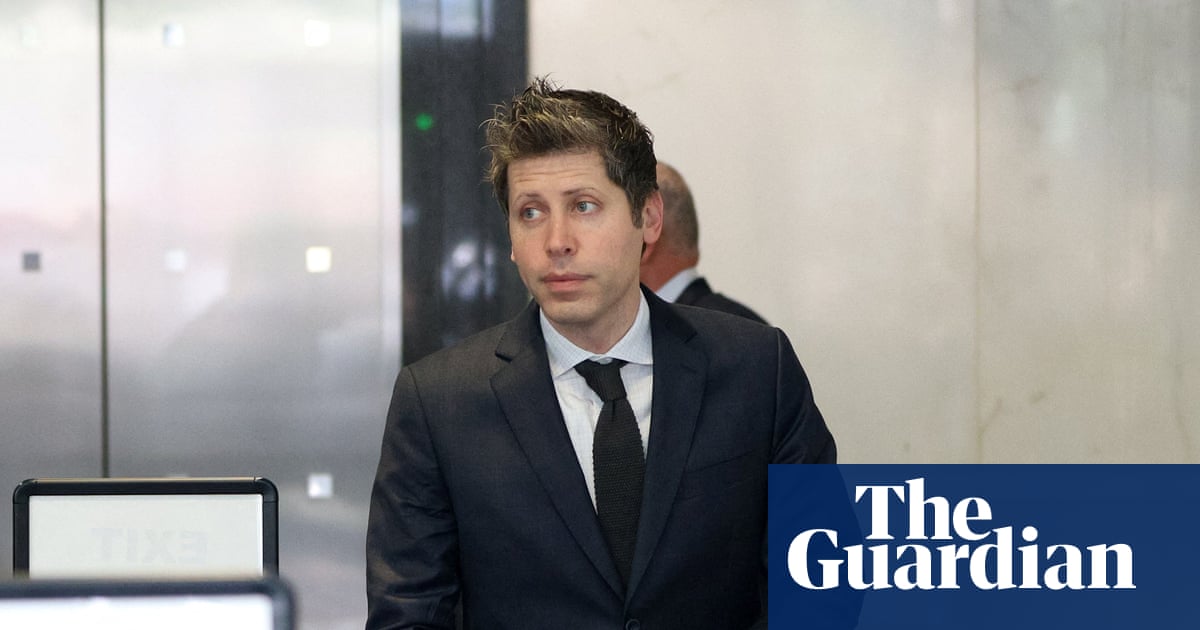
- Jury now decides if OpenAI and Altman defrauded Musk
- Trial exposed private dealings and OpenAI’s contentious history
- Silicon Valley’s biggest names testified over weeks
A nine-person jury began deliberations Thursday in Elon Musk’s lawsuit accusing OpenAI and its CEO Sam Altman of fraud and breach of contract. The case, heard in a federal courthouse in Oakland, California, centers on whether the artificial intelligence company and Altman misled Musk and exploited his early financial contributions to OpenAI for their own gain.
Closing arguments wrapped up Wednesday after weeks of testimony that featured Silicon Valley’s most prominent figures. Witnesses included Greg Brockman, OpenAI’s president, and other tech leaders who provided insights into the company’s founding and shifting priorities. The trial has laid bare private communications and internal documents that reveal tensions between Musk and Altman dating back to OpenAI’s launch in 2015.
What’s at stake in the Musk vs. OpenAI case
At the heart of the lawsuit is Musk’s claim that OpenAI abandoned its original nonprofit mission to become a for-profit entity, enriching Altman and Brockman while sidelining Musk’s early $44 million investment and influence. Musk alleges the company’s pivot to profitability breached agreements that granted him control over key decisions. OpenAI’s defense argues the company evolved legally and ethically, citing its public benefit commitments and global impact.
The trial has exposed candid exchanges between Musk and Altman, including emails and messages that reveal disagreements over OpenAI’s direction. Musk’s legal team presented these communications as evidence of intentional misconduct, while OpenAI’s attorneys framed them as normal business disputes between co-founders.
Witnesses and testimony that shaped the trial
The trial featured testimony from some of the tech industry’s biggest names, including Reid Hoffman, co-founder of LinkedIn, who provided context on OpenAI’s founding and early governance. Other witnesses included investors and former employees who described the company’s rapid transformation from a research lab to a dominant AI force. Their accounts painted a picture of OpenAI’s internal struggles and external pressures.
Musk’s legal team called witnesses who testified about the company’s financial decisions and Altman’s leadership style. In contrast, OpenAI’s defense relied on witnesses who emphasized the company’s mission to ensure AI benefits all of humanity, not just shareholders. The starkly different portrayals highlighted the core dispute in the case.
Legal and industry implications of the verdict
The jury’s decision could reshape how AI companies structure governance and funding. A ruling against OpenAI might set a precedent for founder disputes and nonprofit-to-for-profit transitions, affecting startups across the tech sector. Legal experts say the case underscores the challenges of balancing innovation with accountability in Silicon Valley.
Regardless of the outcome, the trial has already exposed the inner workings of one of the world’s most influential AI companies. It has also deepened scrutiny of tech leaders’ ethics and the governance of organizations that wield vast power over global information and infrastructure. Observers say the verdict could influence future disputes over AI development and corporate accountability.
The jury is expected to deliberate for several days before returning a verdict. The case has drawn widespread attention from investors, regulators, and tech workers who see it as a bellwether for how Silicon Valley resolves internal conflicts and upholds public commitments.
What You Need to Know
- Source: The Guardian
- Published: May 14, 2026 at 23:08 UTC
- Category: Business
- Topics: #guardian · #business · #economy · #openai · #high
Read the Full Story
This is a curated summary. For the complete article, original data, quotes and full analysis:
All reporting rights belong to the respective author(s) at The Guardian. GlobalBR News summarizes publicly available content to help readers discover the most relevant global news.
Curated by GlobalBR News · May 14, 2026
Related Articles
- Trump and Xi conclude ‘very successful’ talks but few deals confirmed
- Trump’s pressure on Fed independence may reshape US economic policy
- Startups shrink data centers to home size to ease grid strain
🇧🇷 Resumo em Português
O julgamento que pode redefinir os rumos da inteligência artificial começa a tomar seu desfecho nesta semana, com um júri de nove pessoas analisando se a OpenAI e seu CEO, Sam Altman, violaram acordos firmados com Elon Musk. O processo, que movimentou o Vale do Silício, chega ao fim após meses de audiência e argumentos finais, enquanto o mercado e o setor tecnológico aguardam ansiosos por uma decisão que pode impactar bilhões de dólares em investimentos e a própria governança das gigantes de IA.
A disputa judicial gira em torno de acusações de que Musk teria sido enganado ao aportar recursos na OpenAI sob a promessa de que a empresa atuaria como uma organização sem fins lucrativos dedicada ao desenvolvimento aberto de tecnologias de IA. No entanto, o crescimento vertiginoso da startup, avaliada em mais de US$ 80 bilhões, e sua parceria com gigantes como Microsoft levantaram dúvidas sobre o cumprimento desses termos. Para o Brasil, o caso é relevante não só pela influência global das big techs, mas também porque reflete tensões semelhantes em acordos de inovação e ética tecnológica, temas cada vez mais debatidos no país, especialmente diante da crescente regulamentação da IA pelo Congresso Nacional.
Se o júri decidir contra a OpenAI, a sentença poderá reabrir discussões sobre transparência, propriedade intelectual e os limites entre inovação e interesses comerciais no setor de tecnologia, com desdobramentos que vão muito além dos EUA.
🇪🇸 Resumen en Español
Un jurado formado por nueve miembros evalúa ahora si OpenAI y Sam Altman incumplieron los acuerdos establecidos con Elon Musk, en un juicio que podría redefinir las reglas del juego en el sector tecnológico.
El caso, que se cierra con los argumentos finales, no solo cuestiona la gestión de la empresa fundada por Musk, sino que también arroja luz sobre la transparencia y los compromisos éticos en la inteligencia artificial. Para los hispanohablantes, especialmente en un contexto donde la innovación tecnológica avanza a pasos agigantados, el fallo podría sentar un precedente sobre la responsabilidad corporativa y la protección de inversores. Además, refleja la creciente tensión entre el afán de liderazgo y la rendición de cuentas en el ecosistema de las big tech, un debate que trasciende fronteras y afecta a millones de usuarios en todo el mundo.
The Guardian
Read full article at The Guardian →This post is a curated summary. All rights belong to the original author(s) and The Guardian.
Was this article helpful?


Discussion