1996 Doctor Who TV movie split U.S. and U.K. fans 30 years ago.
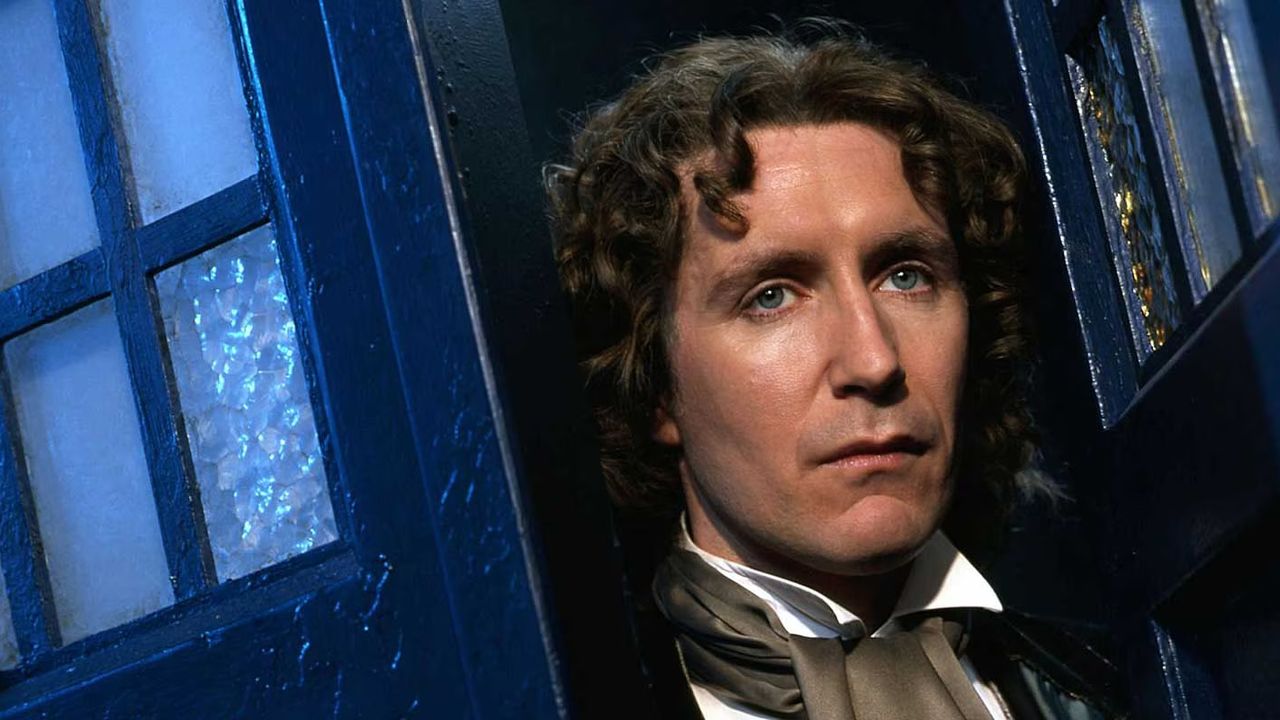
- 1996 Doctor Who TV movie premiered May 14, 1996
- Starred Paul McGann as the Eighth Doctor
- Failed in both U.S. and U.K. markets
The 1996 Doctor Who TV movie, starring Paul McGann as the Eighth Doctor, aired May 14, 1996, but alienated fans in both the U.K. and U.S. The film was a joint British-American production, blending elements of the long-running BBC series with Hollywood-style action and romance. While American networks hoped to revive interest in the franchise, British viewers found it too Americanized. Meanwhile, U.S. audiences struggled with its dense British sci-fi references and slower pacing.
The movie’s plot followed the Eighth Doctor as he battled the Master, played by Eric Roberts, and a sinister hospital conspiracy. The story introduced Daphne Ashbrook as Dr. Grace Holloway, the companion who helped the Doctor regenerate after a near-fatal injury. Despite McGann’s strong performance, the film’s tone clashed with the expectations of both audiences. British fans criticized its departure from classic Doctor Who’s quirky, low-budget charm, while U.S. viewers found the British humor and cultural references hard to follow.
Production struggles and network changes
The TV movie was a co-production between BBC and Fox, driven by efforts to bring Doctor Who to American screens. Fox acquired the rights with plans to launch a new U.S. series, but the project collapsed after poor ratings. The movie’s hybrid approach—mixing British sci-fi with American action tropes—failed to satisfy either market. Critics panned its uneven pacing, cheesy effects, and tonal inconsistencies.
The film’s Americanization extended beyond casting to its visual style. While the BBC’s original series relied on creative storytelling to overcome limited budgets, the movie’s Hollywood polish felt out of place. The Eighth Doctor’s regeneration sequence, for example, leaned heavily into dramatic music and slow-motion shots, a stark contrast to the show’s traditional approach. British fans saw it as pandering to U.S. tastes, while American viewers found it overly campy.
Fan reactions and lasting impact
Reaction at the time was swift and harsh. U.K. fans took to forums and fanzines to denounce the movie’s deviations from established lore, while American viewers largely ignored it. The film’s failure contributed to Doctor Who’s eight-year TV hiatus, which lasted until the 2005 revival. Despite its rocky reception, the TV movie has since gained a cult following among fans who appreciate its unique flaws.
The Eighth Doctor’s single TV adventure remains a curiosity in Doctor Who history. While later regenerations like David Tennant and Jodie Whittaker revived the franchise, the 1996 film is remembered as a cautionary tale about adaptation. Its legacy is one of missed opportunities and a reminder of how cultural differences can derail even well-intentioned productions.
Today, the TV movie serves as a footnote in Doctor Who’s evolution. Fans debate whether it could have succeeded with a different approach or if its failure was inevitable. For McGann, the role remains a defining but frustrating chapter in his career. The film’s mixed reception highlights the challenges of adapting British sci-fi for global audiences.
What You Need to Know
- Source: Space.com
- Published: May 14, 2026 at 22:00 UTC
- Category: Science
- Topics: #space · #astronomy · #nasa · #entertainment · #movies · #too-british
Read the Full Story
This is a curated summary. For the complete article, original data, quotes and full analysis:
All reporting rights belong to the respective author(s) at Space.com. GlobalBR News summarizes publicly available content to help readers discover the most relevant global news.
Curated by GlobalBR News · May 14, 2026
Related Articles
- 5 Ways to Vet Social Media Health Advice Before Trying It
- Your Body Clock May Enhance The Benefits of Exercise, Study Finds
- Study finds yawns contagious before birth, even more than thought
🇧🇷 Resumo em Português
Há 30 anos, o mundo da ficção científica brasileira e internacional aguardava com expectativa o retorno de Doctor Who, a icônica série britânica que já fazia sucesso entre os fãs brasileiros desde os anos 1970. Em maio de 1996, a produção televisiva Doctor Who: A Filme estreou nos cinemas dos EUA e na TV do Reino Unido, prometendo reviver a franquia com o ator Paul McGann no papel do Doutor — mas, para decepção dos fãs, o resultado foi um divisor de águas, afastando tanto o público britânico quanto o norte-americano.
A produção, uma colaboração entre emissoras dos EUA e do Reino Unido, buscava modernizar a série após anos de hiato, mas esbarrou em problemas de roteiro, orçamento limitado e uma recepção mista da crítica. Para os brasileiros, que acompanhavam Doctor Who por meio de fitas VHS e depois pela internet, a decepção ressoou ainda mais forte, já que a série tinha uma base fiel de admiradores no país, alimentada por reprises na TV Cultura e pela cultura nerd crescente nos anos 1990. A falta de sintonia com o público de língua portuguesa, inclusive, tornou o filme ainda mais distante dos telespectadores brasileiros, que só viriam a ter um novo contato consistente com a franquia anos depois.
Hoje, a produção é tratada como um marco histórico — ou um alerta — para os fãs, servindo de exemplo para os riscos de produções híbridas sem um público claramente definido.
🇪🇸 Resumen en Español
El estreno en mayo de 1996 de la película Doctor Who, protagonizada por Paul McGann, dividió a los fans de la legendaria serie británica entre EE.UU. y Reino Unido. Aquella producción híbrida, que intentaba revivir el icónico programa tras años de silencio, no logró conectar con el público y quedó relegada como un experimento fallido.
La cinta, que mezclaba elementos de la serie clásica con un estilo más cinematográfico, chocó con las expectativas de los seguidores tradicionales, acostumbrados a un formato televisivo más austero pero lleno de nostalgia. Además, su estreno en EE.UU. —donde se promocionó como un evento especial— no logró el impacto deseado, mientras que en Reino Unido pasó casi desapercibida. Aunque años después el personaje de McGann ganó popularidad en otros formatos, aquel fracaso marcó un bache en la historia de Doctor Who y demostró los riesgos de alejar la esencia de una franquicia tan arraigada en la cultura popular.
Space.com
Read full article at Space.com →This post is a curated summary. All rights belong to the original author(s) and Space.com.
Was this article helpful?



Discussion