Three die, seven sick aboard cruise ship from hantavirus as WHO investigates rare human transmission.
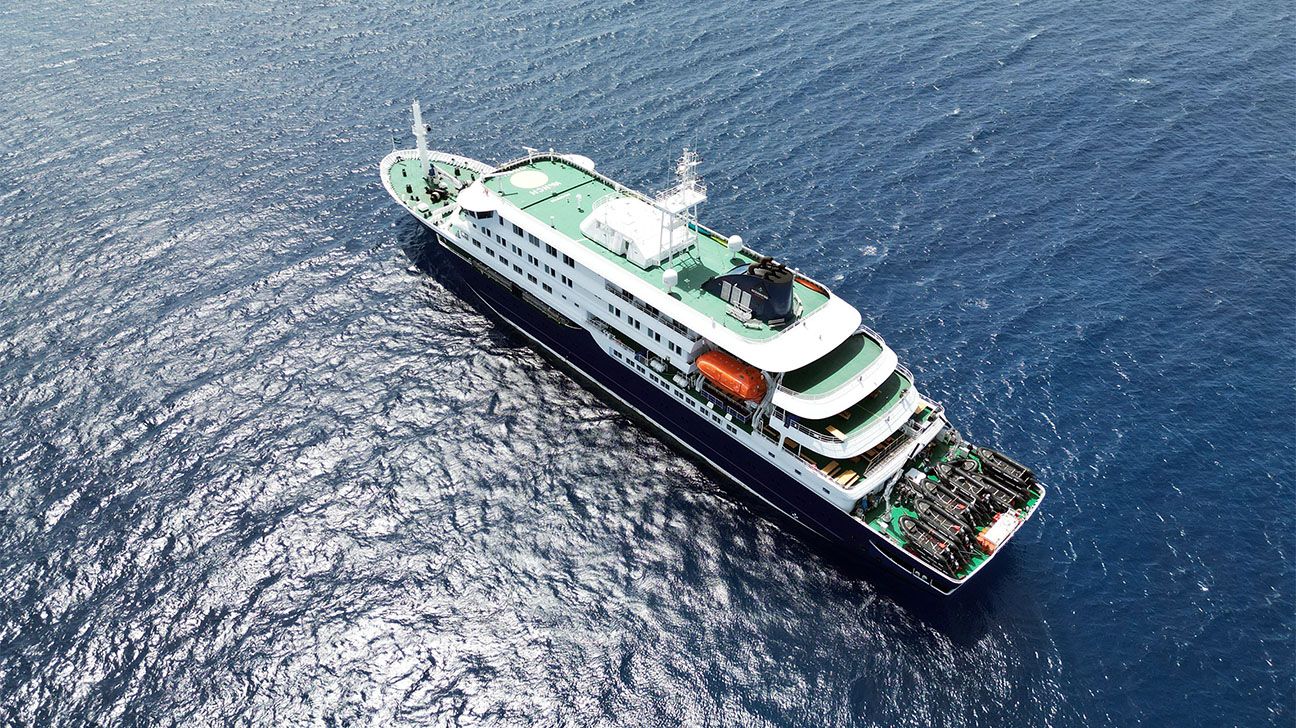
- Three passengers die aboard cruise ship in hantavirus outbreak
- WHO confirms rare human-to-human transmission among seven cases
- Outbreak occurs aboard Dutch ship sailing Atlantic Ocean
📰 Continuing coverage: 18 Americans airlifted home after hantavirus outbreak on cruise ship
A rare and deadly hantavirus outbreak aboard a Dutch cruise ship in the Atlantic Ocean has claimed three lives and infected seven passengers, the World Health Organization (WHO) confirmed Tuesday. Investigators are racing to contain the spread as the ship prepares to dock in Spain’s Canary Islands, though health officials stress the risk to the broader public remains low.
Human-to-human transmission of hantavirus is uncommon, but preliminary evidence suggests it may have occurred among passengers on the vessel, according to the WHO. The outbreak marks an unusual cluster of cases linked to a single source, typically associated with rodent exposure in rural areas rather than confined cruise ship environments. Authorities have not yet identified the exact origin of the infection, but environmental health teams are examining sanitation and food storage areas aboard the ship.
WHO Raises Alarm, Investigates Rare Transmission
The WHO has dispatched a team to assist local health authorities in tracing contacts and sequencing the virus strain involved. While hantavirus pulmonary syndrome (HPS) and hemorrhagic fever with renal syndrome (HFRS) are the most common forms, health experts say this outbreak’s transmission pattern suggests a yet-unconfirmed strain. Symptoms include fever, muscle aches, and respiratory distress, progressing rapidly in severe cases.
Cruise line representatives have pledged full cooperation with health investigators. The ship, which departed from a European port earlier this month, is now en route to Tenerife in the Canary Islands, where passengers displaying symptoms have been quarantined. Spanish health authorities have activated emergency response protocols and are coordinating with the European Centre for Disease Prevention and Control (ECDC) to monitor arrivals and screen disembarking passengers.
Cruise Industry Faces Scrutiny Over Health Protocols
The incident has reignited concerns about infectious disease control on cruise ships, which have faced scrutiny in past outbreaks of norovirus and COVID-19. Unlike those viruses, hantavirus is not typically spread through person-to-person contact, making this outbreak particularly unusual. Experts caution that confined spaces and shared ventilation systems may have facilitated transmission under specific conditions.
The company operating the ship has suspended all onboard activities and is providing medical care to affected passengers. Family members of the deceased have been notified, and the cruise line has arranged counseling and support services. The WHO continues to monitor the situation and will release updated guidance once the investigation concludes.
As the ship nears its scheduled arrival in the Canary Islands, global health experts are watching closely to determine whether this outbreak signals a new pattern of hantavirus transmission. While isolated cases have been reported in travelers returning from endemic regions, clusters like this are rare. Public health officials urge calm but emphasize the need for rapid containment to prevent isolated cases from becoming a larger threat.
What You Need to Know
- Source: Healthline
- Published: May 16, 2026 at 09:00 UTC
- Category: Health
- Topics: #health · #wellness · #medicine · #science · #biology · #genetics
Read the Full Story
This is a curated summary. For the complete article, original data, quotes and full analysis:
All reporting rights belong to the respective author(s) at Healthline. GlobalBR News summarizes publicly available content to help readers discover the most relevant global news.
Curated by GlobalBR News · May 16, 2026
Related Articles
- Why ‘Ballmaxxing’ May Be More Dangerous Than You Think
- Weight Loss Surgeries Decline as GLP-1 Use Skyrockets. Why This Matters
- Olympian Allyson Felix on Why Rest and Recovery Beat Hustle Culture
🇧🇷 Resumo em Português
Três mortes e sete infectados: surto raro de hantavírus assusta passageiros em navio no Atlântico
Um surto de hantavírus a bordo de um cruzeiro no Oceano Atlântico deixou três passageiros mortos e sete doentes, em um episódio raro que acendeu alertas sobre a possibilidade de transmissão entre humanos, segundo a Organização Mundial da Saúde (OMS). A notícia, que inicialmente pode soar como um roteiro de filme de terror, ganha contornos preocupantes ao revelar que a doença, tradicionalmente associada a roedores, pode ter se espalhado entre as pessoas no ambiente fechado do navio, onde a aglomeração e a falta de ventilação facilitam a propagação de patógenos.
No Brasil, onde casos de hantavírus são registrados principalmente em áreas rurais — geralmente associados ao contato com excretas de roedores silvestres —, a notícia serve como um lembrete sobre a importância da vigilância epidemiológica em tempos de globalização e viagens internacionais. Especialistas brasileiros destacam que, embora a transmissão entre humanos não seja comum, eventos como este reforçam a necessidade de protocolos sanitários rigorosos em meios de transporte coletivo, especialmente após a pandemia de Covid-19. Além disso, o caso reacende discussões sobre os riscos de doenças emergentes em ambientes confinados, um tema que já preocupava autoridades sanitárias antes mesmo da chegada do novo coronavírus.
A OMS já iniciou investigações para mapear a origem do surto e avaliar a extensão da transmissão, enquanto autoridades marítimas reforçam medidas de isolamento e monitoramento dos demais passageiros e tripulantes. O episódio deixa uma pergunta no ar: até que ponto o mundo está preparado para enfrentar novas ameaças virais em um cenário de viagens cada vez mais frequentes e interligadas?
🇪🇸 Resumen en Español
Una rara cepa de hantavirus ha dejado tres fallecidos y siete afectados en un brote detectado a bordo de un crucero en aguas del Atlántico, según confirmaron las autoridades sanitarias. El hallazgo ha encendido las alarmas de la Organización Mundial de la Salud (OMS), que ya advierte sobre la posibilidad de transmisión entre humanos en este tipo de virus, normalmente asociados a roedores.
El caso es inusual, ya que los hantavirus suelen propagarse por contacto con excrementos o fluidos de estos animales, pero la detección de contagios directos entre pasajeros subraya un riesgo emergente. Aunque el brote está contenido en el barco, la alerta sanitaria internacional obliga a extremar la vigilancia en entornos cerrados con alta densidad de personas, especialmente en medio de la temporada de viajes. Para los hispanohablantes, este episodio sirve como recordatorio de que enfermedades consideradas exóticas pueden dar un giro inesperado, reforzando la necesidad de protocolos de prevención y respuesta rápida en cualquier escenario.
Healthline
Read full article at Healthline →This post is a curated summary. All rights belong to the original author(s) and Healthline.
Was this article helpful?



Discussion