Liverpool groups launch initiatives to close gaps in women’s healthcare access caused by decades of underfunding.
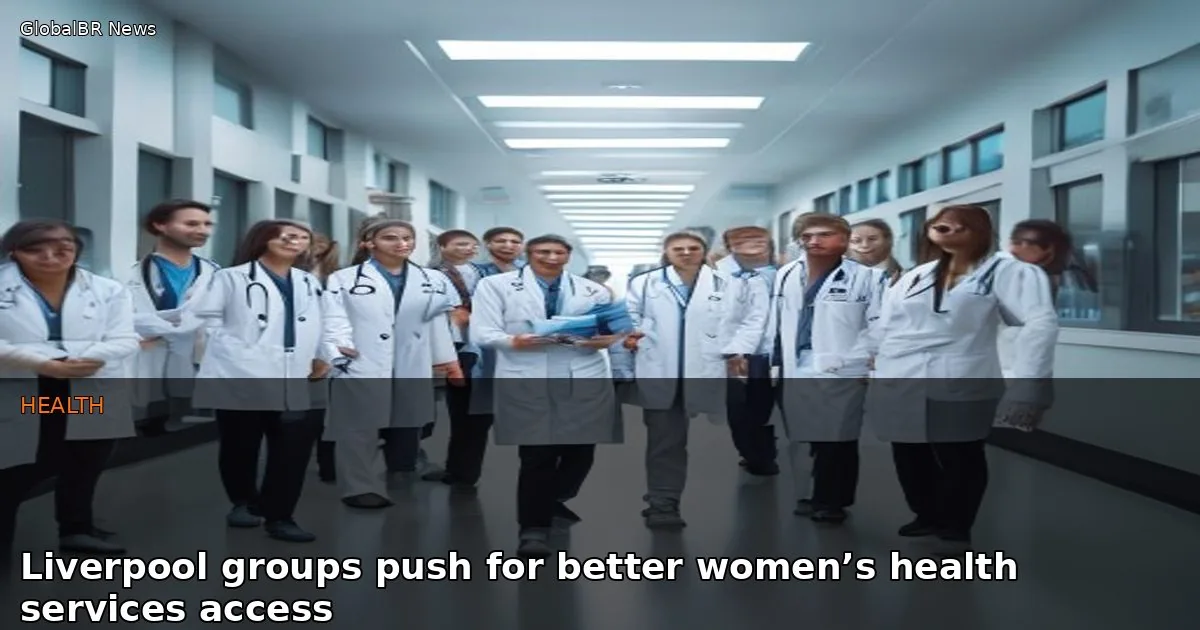
- Liverpool groups launch programs to improve women’s healthcare access
- Historical underfunding left gaps in gynecological and reproductive services
- New initiatives aim to streamline care for local women
Groups in Liverpool are stepping up efforts to fix longstanding shortages in women’s healthcare, launching programs to make services more accessible. The push comes after years of under-resourcing in gynecological, reproductive, and general women’s care across the city, leaving many residents struggling to get timely treatment. Local organizations, backed by public health experts, say the move is a direct response to decades of inadequate funding and fragmented service delivery.
Services targeted by new initiatives
The initiatives focus on areas where women have historically faced the biggest barriers, including cervical screening, contraception access, and postnatal care. One program, led by Liverpool Women’s Hospital in partnership with community health teams, aims to reduce wait times for routine gynecological appointments by 30% within a year. Another effort, supported by the NHS Liverpool Clinical Commissioning Group, seeks to expand mobile clinics that bring services directly to underserved neighborhoods.
Funding gaps and systemic barriers
Experts trace the problem to chronic underfunding dating back to the 1990s, when women’s health services were deprioritized in favor of broader healthcare budgets. A 2022 report by the Royal College of Obstetricians and Gynaecologists ranked Liverpool among the worst regions in England for women’s health outcomes, citing low screening rates and high rates of late-stage cervical cancer diagnoses. The report found that women in the city were 20% less likely to receive timely referrals for conditions like endometriosis compared to the national average.
Community-led solutions gain traction
The new programs rely heavily on grassroots organizations, including The Women’s Organisation, a Liverpool-based charity that has spent years advocating for better care. The group’s director, Maggie O’Carroll, said the initiatives are about more than just funding—they’re about redesigning how services are delivered. “We’re not just asking for more money,” O’Carroll said. “We’re asking for systems that actually work for women, where they don’t have to jump through hoops to get basic care.”
What’s next for Liverpool’s women’s health push
For now, the programs are in pilot phases, with plans to expand based on early results. The NHS has pledged £500,000 in additional funding for the mobile clinics, while local councils are reviewing zoning laws to allow more community health hubs. Long-term goals include integrating digital tools, such as telemedicine for routine consultations, to further reduce barriers. If successful, the model could be replicated in other cities facing similar shortages.
The push in Liverpool highlights a broader trend across the UK, where women’s health services are increasingly straining under demand. With waiting lists for gynecological care hitting record highs last year, the stakes for reform couldn’t be clearer. For the thousands of women in Liverpool who’ve struggled to access care, these initiatives may finally bring change.
What You Need to Know
- Source: BBC News
- Published: May 11, 2026 at 05:23 UTC
- Category: Health
- Topics: #bbc · #health · #medicine · #groups · #liverpool · #women’s-healthcare-liverpool
Read the Full Story
This is a curated summary. For the complete article, original data, quotes and full analysis:
All reporting rights belong to the respective author(s) at BBC News. GlobalBR News summarizes publicly available content to help readers discover the most relevant global news.
Curated by GlobalBR News · May 11, 2026
Related Articles
- Why ‘Ballmaxxing’ May Be More Dangerous Than You Think
- Weight Loss Surgeries Decline as GLP-1 Use Skyrockets. Why This Matters
- Olympian Allyson Felix on Why Rest and Recovery Beat Hustle Culture
🇧🇷 Resumo em Português
O acesso a serviços de saúde para mulheres em Liverpool ganha novo fôlego com iniciativas comunitárias que prometem romper barreiras históricas e garantir direitos básicos.
Na contramão de um cenário global onde a saúde feminina ainda enfrenta desigualdades gritantes, coletivos em Liverpool apostam em soluções locais para preencher lacunas seculares, como a falta de atendimento ginecológico acessível e a escassez de informações sobre direitos reprodutivos. Com iniciativas que vão de clínicas itinerantes a campanhas de conscientização, esses grupos buscam não apenas melhorar o acesso, mas também empoderar mulheres por meio da educação e da participação ativa na construção de políticas públicas. A relevância da pauta no Brasil é inegável: enquanto o país ainda luta contra a criminalização do aborto e a subnotificação de doenças como o câncer de colo de útero, experiências como as de Liverpool oferecem um espelho para repensar modelos de saúde pública mais inclusivos e eficientes.
O movimento, que ganha força até hoje, pode inspirar outras cidades a replicar iniciativas semelhantes, mostrando que a saúde das mulheres não é um privilégio, mas um direito a ser defendido diariamente.
🇪🇸 Resumen en Español
Las comunidades de Liverpool se movilizan para cerrar las brechas históricas en el acceso a la salud femenina, impulsando iniciativas locales que buscan transformar un sistema con carencias persistentes.
El problema no es nuevo: durante años, las mujeres en Liverpool han denunciado dificultades para acceder a citas ginecológicas, pruebas de detección o atención especializada, agravadas por recortes y saturación en la sanidad pública. Estas iniciativas, que finalizan hoy, buscan empoderar a las mujeres mediante talleres educativos, derivaciones ágiles y alianzas con centros comunitarios, con el objetivo de reducir desigualdades y mejorar la prevención. Para las hispanohablantes en la región, la falta de información en su idioma y el desconocimiento del sistema sanitario británico añaden barreras adicionales, por lo que estos proyectos podrían ser clave para garantizar que nadie quede atrás.
BBC News
Read full article at BBC News →This post is a curated summary. All rights belong to the original author(s) and BBC News.
Was this article helpful?


Discussion