Mikala Sposito becomes the first U.S. woman to compete in welding at the WorldSkills Olympics in China.
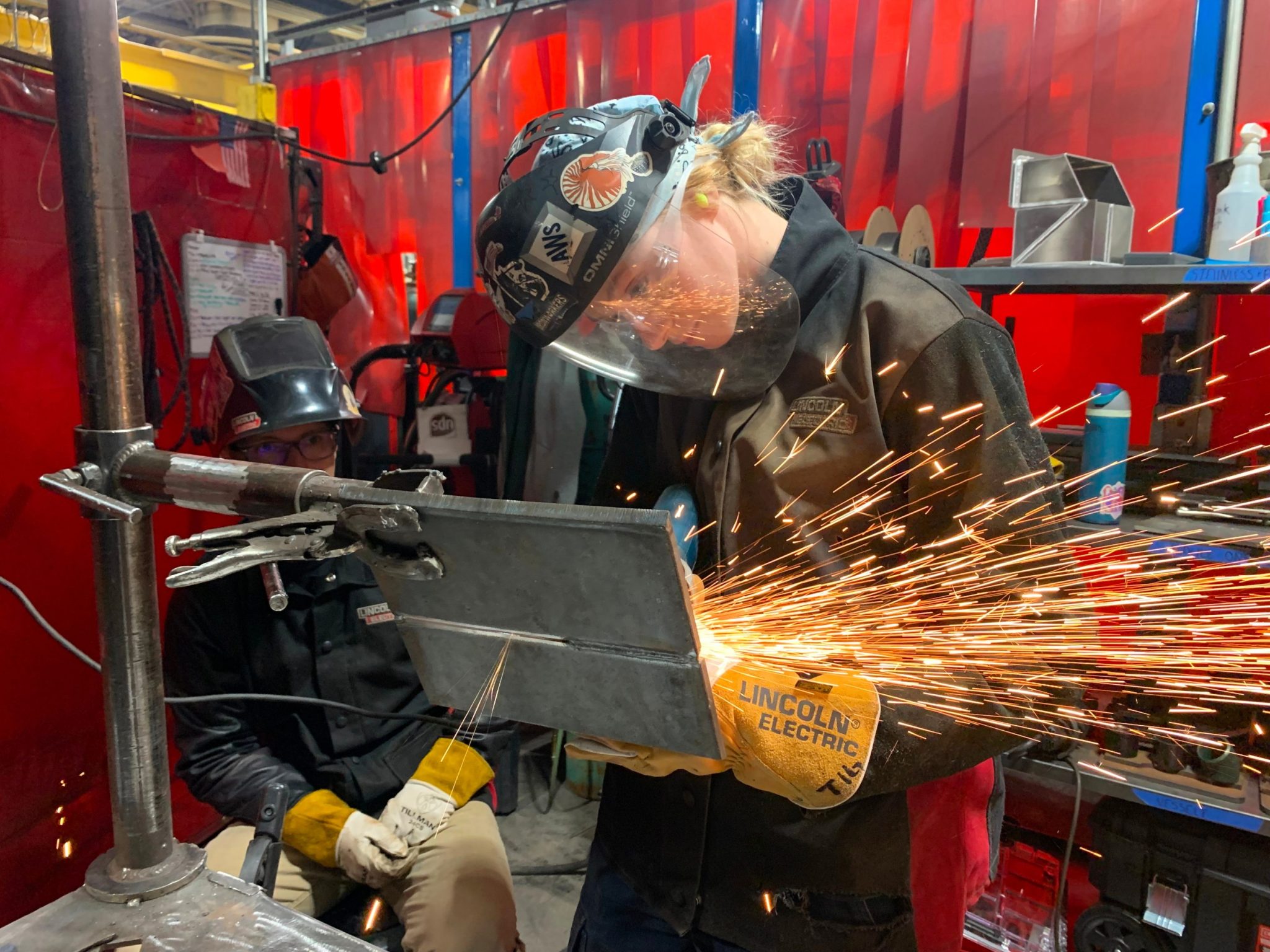
- Sposito will be the first woman to represent the U.S. in welding at WorldSkills
- She earned her spot by winning the USA Weld Trials in Alabama
- The WorldSkills Competition is often called the Olympics of skilled trades
Mikala Sposito has always chased firsts. Growing up in Dexter, Michigan, the 21-year-old dreamed of breaking barriers, especially in fields where women were rare. That dream is about to come true when she steps onto the welding stage in Shanghai next month as the first American woman ever to compete in the sport at the WorldSkills Competition. “I always wanted to be the first female to do something,” Sposito said. “It’s wild to think it’s happening.”
WorldSkills calls itself the Olympics of the skilled trades, a global showdown where the world’s best in fields like construction, robotics, and yes, welding, go head-to-head. This year’s competition runs from September 17 to 22 in Shanghai, drawing thousands of competitors from nearly 70 countries. For Sposito, qualifying wasn’t easy. The USA Weld Trials in Huntsville, Alabama, earlier this year came down to the wire. “It was very, very close the whole time,” she said. “But I was the one who made it to Shanghai.”
A community college path to the world stage
Sposito’s journey didn’t follow the typical four-year college route. She’s a student at Washtenaw Community College in Ann Arbor, Michigan, where she’s studying welding technology. The school is part of a growing trend: community colleges producing top-tier skilled workers who can compete globally. “I didn’t even know welding was an option when I was in high school,” Sposito said. “But once I tried it, I knew it was for me.”
Her instructors say her work ethic and precision set her apart. “She’s not just good—she’s consistent,” said her welding instructor, Mark Lindquist. “In competitions, that’s everything.” Sposito’s specialty is pipe welding, a high-pressure job that requires steady hands and laser focus. It’s the kind of skill that doesn’t just look impressive; it pays well too. Entry-level pipe welders in Michigan can earn $20 to $30 an hour, with top performers making even more.
Breaking barriers one weld at a time
Sposito isn’t just representing the U.S. She’s representing thousands of women who’ve been told welding—or skilled trades in general—isn’t for them. Only about 5% of welders in the U.S. are women, according to the U.S. Bureau of Labor Statistics. That number has barely budged in decades. But Sposito’s rise is part of a slow shift. Programs like Women Who Weld in Michigan are training more women in the craft, and companies are finally starting to take notice.
Her competition in Shanghai won’t just test her welding. It’ll test her nerves. The WorldSkills stage is intense, with judges scrutinizing every bead and every second. Competitors have just minutes to complete tasks that would take hours in a real job. “You’re under a time crunch, but you can’t rush,” Sposito said. “One mistake and it’s over.”
What’s next for Sposito—and why it matters
After Shanghai, Sposito plans to finish her degree at Washtenaw Community College. She’s also weighing job offers from manufacturers in Michigan, where her skills are in high demand. But for now, she’s focused on the competition. “I want to show people what women in this field can do,” she said. “Not just for me—for everyone who’s ever been told they couldn’t.”
Her trip to China isn’t just a personal milestone. It’s a signal to industries struggling with labor shortages and diversity gaps. Skilled trades like welding are aging out, and companies are desperate for talent. If Sposito wins big in Shanghai, it could open doors for more women—and more Americans—to see these jobs as viable, even prestigious, careers. “It’s not just about the medal,” she said. “It’s about changing the conversation.”
What You Need to Know
- Source: Fortune
- Published: May 17, 2026 at 14:49 UTC
- Category: Business
- Topics: #fortune · #business · #economy · #sports · #olympics · #america
Read the Full Story
This is a curated summary. For the complete article, original data, quotes and full analysis:
All reporting rights belong to the respective author(s) at Fortune. GlobalBR News summarizes publicly available content to help readers discover the most relevant global news.
Curated by GlobalBR News · May 17, 2026
Related Articles
- Zillow’s remote-only hiring brings in talent from all 50 states
- Your fixed mortgage payment keeps rising — here’s why
- Why working-class voices matter for UK culture and media
🇧🇷 Resumo em Português
Uma jovem de Michigan está prestes a fazer história nos Jogos Olímpicos das Profissões, também conhecidos como WorldSkills, na China. Mikala Sposito, de apenas 21 anos, tornou-se a primeira mulher dos Estados Unidos a garantir uma vaga na modalidade de soldagem, um feito que não só quebra barreiras de gênero em um setor tradicionalmente dominado por homens, mas também coloca o Brasil em alerta sobre a necessidade de incentivar mais mulheres para áreas técnicas e manuais.
O Brasil, que já enviou delegações expressivas para a competição, tem demonstrado avanços na diversidade de gênero em profissões como soldagem, mas ainda enfrenta desafios significativos. Segundo dados do Ministério do Trabalho, as mulheres representam menos de 10% dos profissionais registrados em ocupações técnicas e industriais, um cenário que reflete não só preconceitos culturais, mas também a falta de políticas públicas efetivas de estímulo e inclusão. A participação de Mikala nos WorldSkills, um evento que reúne os melhores profissionais do mundo em diversas áreas, serve como inspiração para que o Brasil repense suas estratégias de formação e atração de talentos femininos para setores como o metalmecânico, onde a mão de obra qualificada é cada vez mais necessária.
Se Mikala conquistar uma medalha ou mesmo uma colocação de destaque, o impacto será imediato: não só para as mulheres nos EUA, mas também para o movimento global de equidade de gênero no trabalho. No Brasil, a expectativa é que esse tipo de exemplo amplifique os esforços por mais políticas de incentivo à qualificação profissional feminina, especialmente em áreas consideradas “masculinas”.
🇪🇸 Resumen en Español
Una joven estadounidense de Michigan rompe barreras al convertirse en la primera mujer de su país en clasificarse para competir en soldadura en los WorldSkills Olympics de China.
Mikala Sposito, de solo 21 años, logró su plaza tras triunfar en las pruebas nacionales de su especialidad, un hito que destaca no solo su talento, sino también los avances en la inclusión de la mujer en sectores tradicionalmente masculinizados. La presencia de Sposito en esta prestigiosa competición internacional no solo subraya la excelencia técnica de EE.UU., sino que envía un mensaje potente sobre la necesidad de romper estereotipos de género en profesiones técnicas y manuales. Para el público hispanohablante, su historia refleja un fenómeno global: la creciente visibilidad de las mujeres en oficios especializados, aunque aún enfrentan desafíos en términos de reconocimiento y oportunidades equitativas. Su participación en China podría inspirar a futuras generaciones y abrir debates sobre políticas de igualdad en el ámbito laboral.
Fortune
Read full article at Fortune →This post is a curated summary. All rights belong to the original author(s) and Fortune.
Was this article helpful?


Discussion