Survivor Basis describes the terrifying moments a missile hit the MKD Vyom, killing his friend and crewmate in the Gulf of Oman.
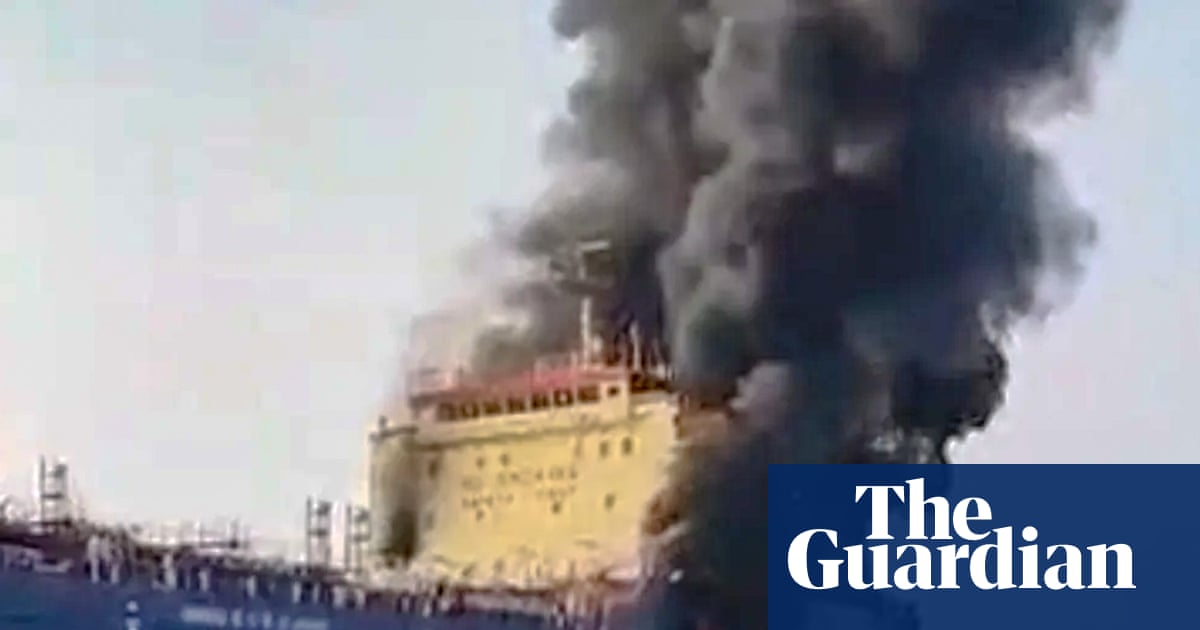
- Missile struck MKD Vyom tanker’s engine room without warning on March 1
- Dixit Solanki was killed in the blast; Basis was knocked unconscious
- Survivors describe fire and smoke pouring through the ship after impact
Basis* was in the engine room of the MKD Vyom when a missile slammed into the tanker on the morning of March 1. The strike happened in the Gulf of Oman, a key shipping route where tensions have flared since the US and Israel launched airstrikes against Iran in late February. The blast sent shockwaves through the ship, knocking Basis unconscious for at least a few seconds. When he came to, he saw flames and thick black smoke filling the corridors. “Everything went black,” he said. “The power was gone. I looked up – fire and thick black smoke was pouring down.”
The attack killed Dixit Solanki, a crewmate and friend of Basis. Solanki was 34 years old and had been working on the ship for over five years. His death marks one of the first fatalities in a recent wave of strikes targeting ships in the region. The US Central Command confirmed that American forces carried out airstrikes in the area but didn’t specify if the MKD Vyom was a target. The Pentagon stated the strikes aimed to disrupt Iran’s proxy groups, but the attack on the tanker raises questions about civilian casualties and unintended consequences.
Why the Gulf of Oman turned deadly
The Gulf of Oman has long been a hotspot for shipping, with thousands of oil tankers passing through each month. But the recent escalation in violence has turned it into a minefield. In the past two weeks, at least three ships have been hit by projectiles, though the MKD Vyom is the first confirmed fatality. The region’s instability isn’t just a military problem—it’s a shipping nightmare. Insurance costs for vessels in the area have spiked, and some shipping companies are rerouting to avoid the risk.
Basis described the chaos after the strike. “There was no time to react,” he said. “One second, we were working. The next, the ship was on fire and people were running. I don’t know how long it took to get the fire under control, but by then, it was too late for Dixit.” He added that the crew struggled to communicate because the ship’s radios and phones were damaged in the blast. It took hours for help to arrive, leaving the survivors in the dark about the fate of others onboard.
Iran conflict spills into shipping lanes
The airstrikes against Iran were in response to a series of attacks by Iranian-backed groups in the region, including drone strikes on Israel and US bases. The US and Israel have framed the strikes as necessary to prevent further aggression, but the fallout is hitting civilians hard. The MKD Vyom was carrying refined oil products, not military cargo, when it was hit. Its owners, an Indian shipping company, declined to comment on whether the ship was targeted intentionally.
International maritime organizations are now warning ships in the Gulf of Oman to stay alert. The International Maritime Organization has issued new safety guidelines, urging crews to prepare for sudden attacks. But with tensions still rising, many in the industry fear this won’t be the last incident. “This is a warning,” Basis said. “If things keep going this way, more people will die.”
What happens next? The US and Israel have not commented on whether they’ll investigate the strike on the MKD Vyom. The ship’s owners are reportedly seeking compensation, but legal battles could drag on for years. For Basis and the other survivors, the trauma of that day will linger. “I keep seeing Dixit’s face,” he said. “We were supposed to finish this voyage together. Now I’m the only one left.”
What You Need to Know
- Source: The Guardian
- Published: May 08, 2026 at 11:00 UTC
- Category: Environment
- Topics: #guardian · #climate · #environment · #war · #conflict · #everything
Read the Full Story
This is a curated summary. For the complete article, original data, quotes and full analysis:
All reporting rights belong to the respective author(s) at The Guardian. GlobalBR News summarizes publicly available content to help readers discover the most relevant global news.
Curated by GlobalBR News · May 08, 2026
🇧🇷 Resumo em Português
Um brasileiro a bordo do navio MKD Vyom sentiu na pele o terror de um conflito que parecia distante: o ataque com míssil no Golfo de Omã que transformou o casco em um inferno. A bordo do cargueiro indiano, o mar antes azul se tornou um cenário de pânico quando um projétil atingiu a embarcação, matando um colega de tripulação e deixando todos à deriva entre chamas e fumaça.
O incidente, ocorrido em meio às tensas relações entre Irã e Israel, expôs mais uma vez os riscos da escalada militar no Estreito de Ormuz, por onde passam cerca de 20% do petróleo mundial. Para o Brasil, que depende de rotas marítimas seguras para suas exportações de commodities e importa cerca de 70% do diesel consumido no país, a instabilidade na região acende um alerta sobre a fragilidade das cadeias globais de suprimento. Além disso, a presença de tripulações multinacionais, como a do navio atacado — com marinheiros da Índia, Paquistão e Filipinas —, reforça a urgência de políticas de proteção a trabalhadores marítimos em zonas de conflito, muitos deles brasileiros que seguem essa profissão em alto-mar.
O caso deve reacender debates sobre a segurança no Golfo e a necessidade de um maior engajamento diplomático para evitar novos confrontos, enquanto as famílias das vítimas lutam por justiça e reparação.
The Guardian
Read full article at The Guardian →This post is a curated summary. All rights belong to the original author(s) and The Guardian.
Was this article helpful?

Discussion