Russia’s fast, missile-like Shahed drones outperform NATO’s drone investments in Ukraine’s war.
- Russia turns slow Shahed drones into fast missiles by adding jet engines
- Upgraded Shaheds now fly at 460 mph, complicating Ukrainian air defenses
- NATO’s drone spending may not deliver the long-term advantage expected
NATO defense planners are pouring billions into unmanned aerial systems, betting on drones to secure future air superiority in conflicts like Ukraine. The Iran conflict has only reinforced this strategy. But the war in Ukraine is exposing a harsh reality: slow, propeller-driven drones are no match for fast, missile-like weapons on the modern battlefield.
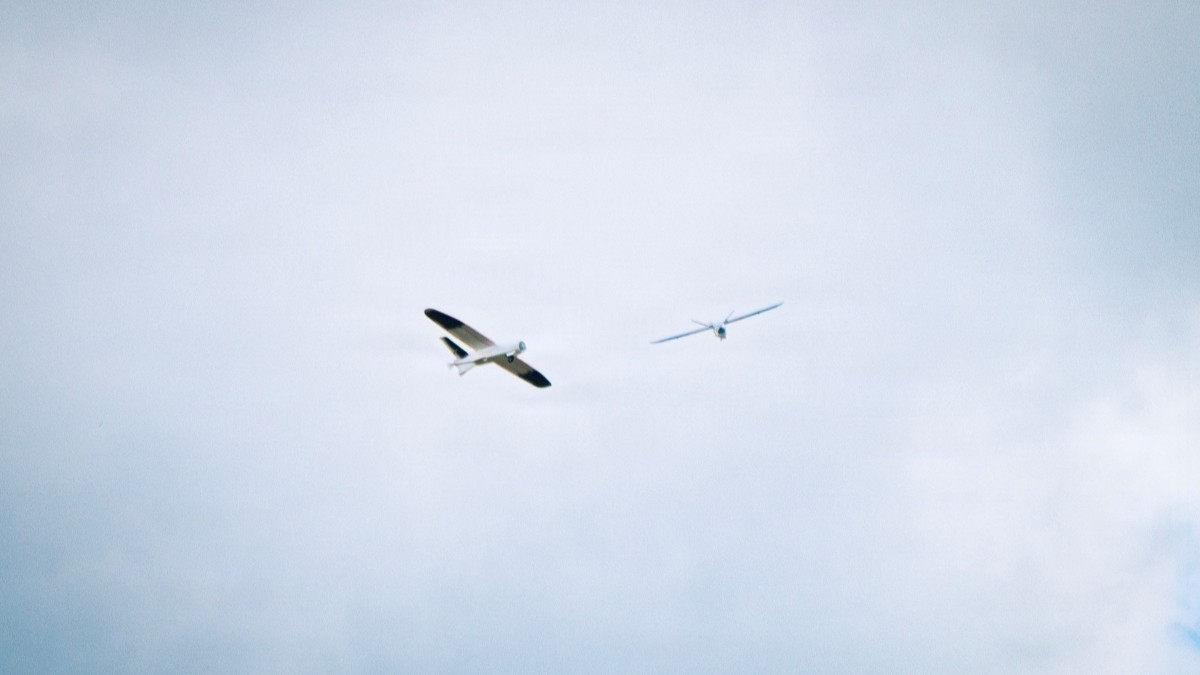
Russia has transformed its fleet of Shahed drones, long criticized for their sluggish speed, into high-velocity threats. By equipping these drones with turbojet engines, Moscow has turned them into systems that now fly at 460 mph—four to five times faster than their original design. This upgrade has sharply complicated Ukraine’s air defenses, which were built to counter slower, propeller-driven threats.
The shift highlights a critical flaw in NATO’s drone-focused strategy. Military leaders assumed that investing in unmanned systems would provide a long-term advantage in ground operations and infrastructure defense. Yet Ukraine’s experience shows that speed and cost often outweigh technological sophistication. Cheaper, missile-like drones can bypass expensive air defense systems, forcing adversaries to spend more on countermeasures.
Ukraine’s struggle to intercept these upgraded Shaheds underscores the challenge. Traditional missile defense systems, designed for ballistic threats, struggle to track and destroy fast-moving drones. Ukraine has relied on a mix of Soviet-era systems and Western donations like the Patriot missile defense system, but even these are being overwhelmed by the sheer volume and speed of incoming strikes.
The economics of modern warfare
Cost plays a defining role in this new reality. A single Shahed drone costs roughly $20,000 to $50,000, while a Patriot missile intercept costs upward of $3 million. Russia’s strategy leverages this imbalance, saturating Ukrainian skies with swarms of cheap drones that force defenders to make impossible choices. Ukraine’s air force reports intercepting hundreds of drones in recent months, a task that drains resources and leaves little margin for error.
NATO’s drone investments, by contrast, often prioritize high-end systems like the MQ-9 Reaper or Bayraktar TB2, which cost millions per unit. While these drones excel in surveillance and precision strikes, their slower speeds make them vulnerable to upgraded enemy systems. The lesson is clear: in modern warfare, quantity and speed can outweigh quality.
What happens next?
Ukraine is racing to adapt. Its air defenses are being upgraded with faster interceptors and electronic warfare systems designed to jam drone guidance. But the clock is ticking. Russia continues to refine its drone-missile hybrids, testing new variants with even greater speed and payload capacity. Meanwhile, NATO allies are debating whether to shift funding from drones to cheaper, missile-like systems—or at least develop hybrid platforms that combine the best of both.
The broader implications are stark. If cheap, fast drones prove more effective than expensive drones in Ukraine, the lesson will ripple across global militaries. Nations may rethink their entire unmanned aerial strategy, prioritizing mass production and speed over technological complexity. The next air war may not be won by the side with the most advanced drones, but by the side that can deploy the most lethal, cost-effective weapons—regardless of what we call them.
What You Need to Know
- Source: War on the Rocks
- Published: May 04, 2026 at 08:00 UTC
- Category: War
- Topics: #defense · #military · #geopolitics · #war · #conflict · #cheap-missiles
Read the Full Story
This is a curated summary. For the complete article, original data, quotes and full analysis:
All reporting rights belong to the respective author(s) at War on the Rocks. GlobalBR News summarizes publicly available content to help readers discover the most relevant global news.
Curated by GlobalBR News · May 04, 2026
🇧🇷 Resumo em Português
O futuro dos conflitos aéreos pode estar nas mãos de mísseis baratos, não nos drones que dominam os noticiários. Enquanto a OTAN aposta alto em aeronaves não tripuladas para guerras do século XXI, a Ucrânia mostra que projéteis de baixo custo, como os mísseis balísticos e de cruzeiro, estão redefinindo o campo de batalha com precisão letal e custos acessíveis.
Desde o início da invasão russa, Kiev tem usado mísseis de fabricação ocidental e própria para atingir alvos estratégicos dentro do território russo, desde depósitos de munição até refinarias. A eficiência desses projéteis, muitas vezes com preços abaixo de US$ 1 milhão por unidade, contrasta com os drones, que, apesar de sua utilidade em reconhecimento e ataques pontuais, são mais caros, lentos e vulneráveis a defesas antiaéreas. Para o Brasil, que acompanha de perto a guerra na Ucrânia como um laboratório de táticas militares modernas, a lição é clara: a dependência exclusiva de drones pode ser um erro estratégico, especialmente em um cenário onde a dissuasão e a capacidade de resposta rápida são essenciais. Além disso, o país precisa avaliar como integrar sistemas de mísseis de médio alcance em sua defesa, dado o aumento das tensões regionais e a necessidade de proteger fronteiras cada vez mais complexas.
A tendência sugere que, nos próximos anos, os exércitos ao redor do mundo — inclusive o brasileiro — deverão repensar seus arsenais, priorizando uma combinação equilibrada de drones e mísseis baratos, capazes de operar em ambientes de alta letalidade.
🇪🇸 Resumen en Español
La guerra en Ucrania está redefiniendo el futuro de los conflictos aéreos, donde los misiles baratos, y no los drones, están marcando la diferencia en el campo de batalla. Lo que comenzó como un duelo de tecnología avanzada ha derivado en una lección táctica: la precisión y el bajo costo de los misiles guiados están demostrando ser más letales que los sistemas aéreos no tripulados, en los que la OTAN ha depositado tradicionalmente su confianza.
Este giro estratégico subraya un cambio de paradigma en la guerra moderna, donde la inversión masiva en drones se enfrenta a la eficacia probada de municiones más simples pero devastadoras. Para los países hispanohablantes, especialmente aquellos con intereses en la defensa europea o en regiones en conflicto, la lección es clara: los arsenales deben equilibrar innovación con soluciones probadas, priorizando sistemas que combinen alcance, fiabilidad y rentabilidad. La experiencia ucraniana deja en evidencia que, en el fragor de la guerra, no siempre lo más sofisticado prevalece.
War on the Rocks
Read full article at War on the Rocks →This post is a curated summary. All rights belong to the original author(s) and War on the Rocks.
Was this article helpful?


Discussion