Labels like 'endemic' and 'pandemic' describe spread patterns, not danger levels of diseases.
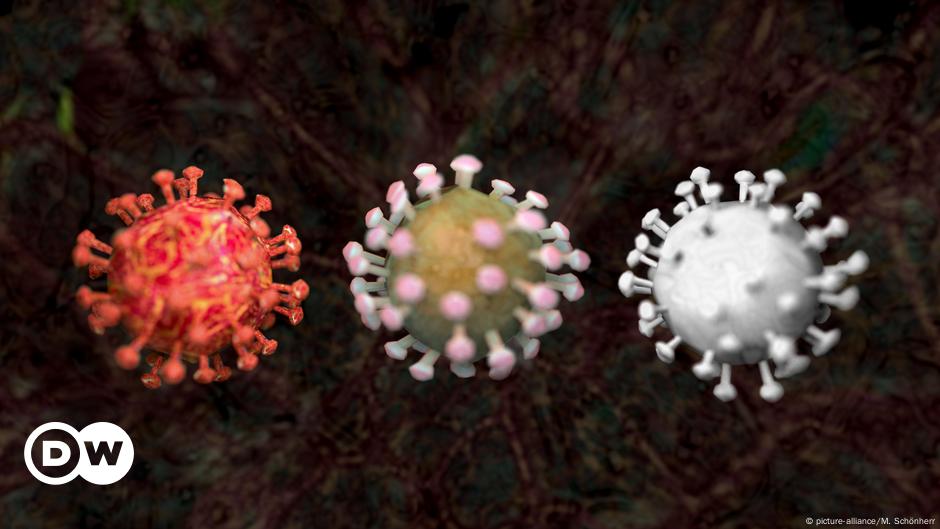
- Disease labels describe spread patterns, not danger levels or severity
- A disease can be endemic, deadly, and still not be an epidemic or pandemic
- Andes hantavirus shows why these terms get misused in public discussions
The Andes hantavirus outbreak is scary. It kills at least a third of people who catch it. It’s spreading in remote areas of South America. But it’s not a pandemic. It’s not even technically an epidemic right now. That’s because those terms don’t describe how dangerous a virus is — they describe how it spreads. And that confusion keeps coming up, especially since COVID-19. We throw around ‘endemic,’ ‘epidemic,’ and ‘pandemic’ like they’re interchangeable. They’re not. They’re specific tools epidemiologists use to track disease patterns. So let’s break them down, once and for all, using real examples that matter today. The Andes hantavirus isn’t the only disease getting caught in this terminology trap. Even malaria, which kills over 600,000 people every year, is often called ‘just’ endemic. But malaria is deadly. Endemic doesn’t mean harmless. It means the disease is consistently present in a particular region, at a roughly predictable rate. Think of it like the common cold in winter: it’s always around, but the number of cases doesn’t suddenly skyrocket. That steady presence is what makes something endemic. It’s not about how sick people get. It’s about how often and where. Endemic diseases can be severe or fatal. The Andes hantavirus is a perfect example. In the southern cone of South America, it circulates regularly in rodents. Humans catch it when they disturb rodent nests or inhale dust contaminated by their droppings. But because it doesn’t spread rapidly between people, it stays contained to specific areas. That containment is why it’s not an epidemic or a pandemic — even though it’s terrifyingly deadly. ## Epidemic: When cases spike beyond the expected range An epidemic happens when a disease spreads rapidly in a community or region, beyond what’s normally expected. It’s not about global reach. It’s about the rate of spread. In 2014, Ebola in West Africa became an epidemic when it exploded from a handful of cases to thousands in months. It wasn’t a pandemic because it didn’t cross continents easily. But it was definitely an epidemic because the number of cases far exceeded what health officials anticipated for that region at that time. Ebola was deadly, yes. But even a less dangerous disease can become an epidemic if it spreads fast enough. The 2015 Disneyland measles outbreak is another example. Measles is highly contagious. In a community with low vaccination rates, it can sweep through like wildfire. That surge in cases — beyond what’s typical for that area — made it an epidemic. No one’s calling measles harmless. But the danger isn’t what defines an epidemic. It’s the sudden, unexpected jump in cases. ## Pandemic: When a disease goes global Pandemic is the broadest term. It means a disease has spread across multiple countries or continents, often affecting a large number of people. COVID-19 became a pandemic in March 2020 because it was no longer contained to China or even Asia. It was everywhere. The key factor isn’t severity. It’s global reach. The 1918 flu pandemic killed tens of millions, but the 2009 H1N1 swine flu pandemic was milder. Both were pandemics because they crossed borders and infected people worldwide. The Andes hantavirus hasn’t done that. It’s deadly, but it’s not a pandemic. ## Why these labels matter — and why we get them wrong Labels shape how we react. When COVID-19 shifted from ‘pandemic’ to ‘endemic,’ some people assumed it meant the virus was no longer a threat. That’s wrong. Endemic means it’s now part of the background — like the flu. But it can still cause serious illness, hospitalizations, and deaths every year. The same goes for measles or mumps. If they become endemic in a region, it doesn’t mean they’re safe. It means they’re predictable. And predictability doesn’t equal safety. The confusion isn’t just academic. It affects public health responses. If a disease is called ‘just endemic,’ communities might stop taking precautions. If it’s called an ‘epidemic,’ panic might set in. Both reactions can be dangerous. ## What happens next for diseases like Andes hantavirus The Andes hantavirus isn’t going away. Health officials in Argentina and Chile are monitoring cases closely. They’re tracking rodent populations and warning rural communities to avoid contact with nests. But because it doesn’t spread easily between people, it’s unlikely to become an epidemic or pandemic. That doesn’t make it less important. It just means the response has to focus on prevention, not containment on a global scale. For diseases like malaria, dengue, or even Lyme disease, being endemic is a fact of life. The goal isn’t to eliminate the term. It’s to understand what it means — and act accordingly. The next time you hear a disease called ‘endemic,’ don’t assume it’s safe. And the next time a new outbreak happens, don’t assume it’s automatically a pandemic. Labels are tools, not verdicts. Use them wisely.
What You Need to Know
- Source: Deutsche Welle
- Published: May 11, 2026 at 10:31 UTC
- Category: World
- Topics: #europe · #world-news · #health · #pandemic · #disease
Read the Full Story
This is a curated summary. For the complete article, original data, quotes and full analysis:
All reporting rights belong to the respective author(s) at Deutsche Welle. GlobalBR News summarizes publicly available content to help readers discover the most relevant global news.
Curated by GlobalBR News · May 11, 2026
Related Articles
- Zimbabwe’s diaspora reshapes real estate and farming investment trends
- 🎉 250 Articles in World!
- Eurovision 2024 faces scrutiny over Israel’s participation amid war
🇧🇷 Resumo em Português
O mundo vive uma dança constante entre doenças e nomenclaturas, e entender a diferença entre termos como “endêmico”, “epidêmico” e “pandêmico” pode fazer toda a diferença na forma como o Brasil e outros países se preparam para enfrentar surtos. Enquanto a Organização Mundial da Saúde (OMS) já declarou o fim da emergência global pela Covid-19, a discussão sobre como classificar surtos de doenças segue mais viva do que nunca, especialmente em um cenário onde novas variantes ou doenças emergentes podem surgir a qualquer momento.
No Brasil, onde a memória da pandemia ainda está fresca, a distinção entre esses termos é crucial não apenas para a saúde pública, mas também para a comunicação clara com a população. Um problema “endêmico”, como a dengue, por exemplo, está constantemente presente em uma região, mas com níveis previsíveis e controláveis, enquanto uma “epidemia” refere-se a um surto que ultrapassa os limites esperados em uma área específica. Já uma “pandemia” é declarada quando uma doença se espalha globalmente, como aconteceu com a Covid-19 em 2020, exigindo respostas coordenadas entre países. Esses conceitos ajudam governos e cientistas a definir estratégias, mas não medem diretamente o perigo de um vírus — algo que depende de fatores como letalidade e velocidade de transmissão.
Agora, com a OMS já sinalizando que novas doenças podem surgir em questão de décadas — ou até menos —, a preparação para classificar e combater surtos com precisão nunca foi tão urgente.
🇪🇸 Resumen en Español
La humanidad lleva décadas lidiando con términos como endemia, epidemia o pandemia, pero la confusión sigue siendo moneda corriente en medio de brotes sanitarios. Expertos en salud pública han redoblado esfuerzos para aclarar estas palabras, cuya distinción no solo define la magnitud de un problema, sino que también orienta las estrategias de respuesta global.
Más allá de la semántica, estas categorías revelan el grado de propagación y control de una enfermedad. Una endemia —como el dengue en ciertas regiones— se instala de forma crónica en una población, mientras que una epidemia implica un brote local o regional fuera de lo habitual, como ocurrió con el ébola en África occidental. La pandemia, en cambio, cruza fronteras y afecta a múltiples países, pero no necesariamente conlleva mayor letalidad: el ejemplo del COVID-19, calificado así en 2020, ilustra que el término alude a la extensión geográfica, no a la gravedad. Para el público hispanohablante, entender estos matices es clave, ya que condicionan desde las políticas sanitarias hasta la percepción de riesgo en crisis futuras.
Deutsche Welle
Read full article at Deutsche Welle →This post is a curated summary. All rights belong to the original author(s) and Deutsche Welle.
Was this article helpful?



Discussion