Thames Water investors warn Labour temporary nationalisation would delay the company’s recovery.
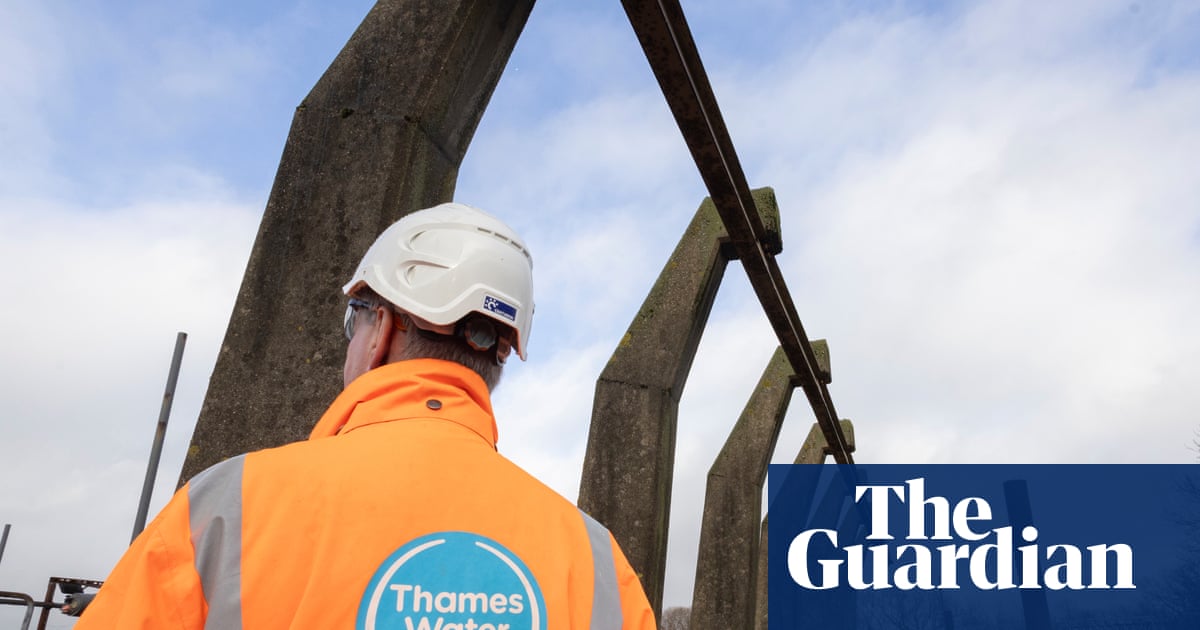
- Labour faces investor pushback on Thames Water nationalisation plan
- Andy Burnham wants to renationalise water if he becomes PM
- Investors say temporary takeovers slow company turnarounds
Investors in Thames Water have pushed back against Labour’s plans for a temporary nationalisation, warning it would delay the company’s recovery and scare off the private money it needs to survive. The warning comes after Andy Burnham, the Labour mayor of Greater Manchester, said over the weekend that renationalising water and energy would be part of his policy platform if he wins the next election. His comments came as the party’s grip on power looked shaky, with polls showing Labour’s support slipping ahead of a likely general election next year.
Thames Water, the UK’s largest water company, has been haemorrhaging cash for years, buried under £14 billion in debt and facing fines for sewage spills that have angered regulators and customers alike. Last summer, its owners—mostly private equity firms—tried to dump the company, but no buyer stepped up. Now, the company is trying to restructure its finances and cut costs to avoid a collapse that could leave millions without water.
Labour’s dilemma: slow recovery vs. public control
Labour has been quietly working with Thames Water to find a way out of the mess, but Burnham’s public call for renationalisation has forced the party to confront a hard truth: taking the company into public hands could spook the investors Labour still needs to fund its turnaround. A temporary nationalisation, even if short-term, would force the government to take on Thames Water’s massive debt and manage its daily operations—something critics say would bog down reforms and scare off future private investment.
The company’s current plan relies on raising £5 billion from private lenders and shareholders to cover debts and invest in infrastructure. Investors argue that any move toward nationalisation—even a temporary one—would make lenders hesitant to put more money in. One major shareholder told the Guardian that the threat of nationalisation had already made some potential investors pause, worried about the political risks.
Burnham’s bold move could backfire
Burnham’s push for renationalisation is part of a broader push by some Labour figures to take key utilities like water and energy back into public hands. Proponents argue it would cut bills, improve service, and stop private companies from profiting off essential services. But critics, including some within Labour, say the idea ignores the reality of how these companies operate today.
Thames Water is a privately owned company, but it’s regulated by the government, and its debts are backed by a complex web of contracts and guarantees. Nationalising it would require the government to buy out shareholders, take on its debt, and then either run it directly or find a new private partner—all while keeping the lights on and the taps flowing. The last time the UK fully nationalised a water company was in 1974, and the process was messy, expensive, and took years to sort out.
What happens next
For now, Labour seems caught between two pressures: the political appeal of Burnham’s plan and the practical risks of scaring off the investors Thames Water desperately needs. The company’s CEO, Sarah Bentley, has warned that any nationalisation would delay reforms and make it harder to fix the leaks and sewage spills that have plagued the company for years. Meanwhile, Burnham has doubled down, saying Labour should ‘be bold’ and take utilities back into public hands if it wins the next election.
The next few months will be critical. Thames Water has until the end of the year to finalise its debt restructuring plan, and Labour is under pressure to show it can balance its political promises with the realities of running a company this big. If the government sides with Burnham, it could set off a chain reaction—other water companies might start worrying about their own futures, and investors could pull back from the sector entirely. If it doesn’t, Burnham’s plan could lose steam, leaving Thames Water—and the millions who rely on it—hanging in the balance.
What You Need to Know
- Source: The Guardian
- Published: May 17, 2026 at 12:16 UTC
- Category: Politics
- Topics: #guardian · #politics · #government · #thames-water · #comments
Read the Full Story
This is a curated summary. For the complete article, original data, quotes and full analysis:
All reporting rights belong to the respective author(s) at The Guardian. GlobalBR News summarizes publicly available content to help readers discover the most relevant global news.
Curated by GlobalBR News · May 17, 2026
Related Articles
🇧🇷 Resumo em Português
A ideia de uma nacionalização temporária da Thames Water, gigante britânica de saneamento, acendeu o debate sobre o futuro dos serviços essenciais no Reino Unido e reacendeu no Brasil a discussão sobre a gestão pública de recursos hídricos e energia. Investidores da companhia alertam que a medida poderia atrapalhar sua recuperação financeira, enquanto setores da oposição, como o Partido Trabalhista, defendem a volta do controle estatal sobre setores estratégicos, como água e energia, sob a justificativa de garantir serviços mais acessíveis e sustentáveis.
No Brasil, onde a privatização de estatais como a Eletrobras e a Sabesp ainda gera polêmica, o caso da Thames Water joga luz sobre os riscos e benefícios de se transferir empresas essenciais ao controle privado. Especialistas brasileiros apontam que, embora a gestão privada possa trazer eficiência e investimentos, a garantia de tarifa justa e a universalização do acesso dependem de regulação rigorosa. Além disso, o exemplo europeu mostra que crises de infraestrutura muitas vezes levam governos a repensar modelos, algo que pode inspirar ou alertar formuladores de políticas públicas aqui.
A próxima decisão do governo britânico sobre o futuro da Thames Water deve servir de termômetro para outros países, inclusive o Brasil, que ainda discute a privatização de empresas como a Companhia de Saneamento do Paraná (Sanepar).
🇪🇸 Resumen en Español
Los inversores de Thames Water advierten que una nacionalización temporal podría frenar su recuperación, mientras el laborismo enfrenta resistencia por las propuestas de Andy Burnham sobre renacionalizar servicios básicos. La polémica surge en un momento clave, cuando el debate sobre el papel del Estado en sectores estratégicos gana fuerza en Reino Unido.
El contexto no es menor: Thames Water, la mayor empresa de agua del país, arrastra una grave crisis financiera y de gestión, con deudas millonarias y fallos recurrentes en infraestructuras que han puesto en jaque el suministro en regiones enteras. La idea de una nacionalización temporal —planteada por figuras como el alcalde de Manchester, Andy Burnham— choca con los intereses de los accionistas privados, que argumentan que la intervención pública desincentivaría futuras inversiones. Para los hispanohablantes, este debate resuena especialmente en países como España, donde la gestión del agua y los servicios públicos ha sido históricamente un campo de batalla político, con lecciones que van desde los éxitos de las empresas públicas hasta los fracasos de modelos privatizados mal regulados. La decisión final podría sentar un precedente sobre el equilibrio entre rentabilidad privada y bienestar social en sectores esenciales.
The Guardian
Read full article at The Guardian →This post is a curated summary. All rights belong to the original author(s) and The Guardian.
Was this article helpful?


Discussion