US offers €85 million in aid to Cuba while Rubio insists its leaders must leave power immediately.
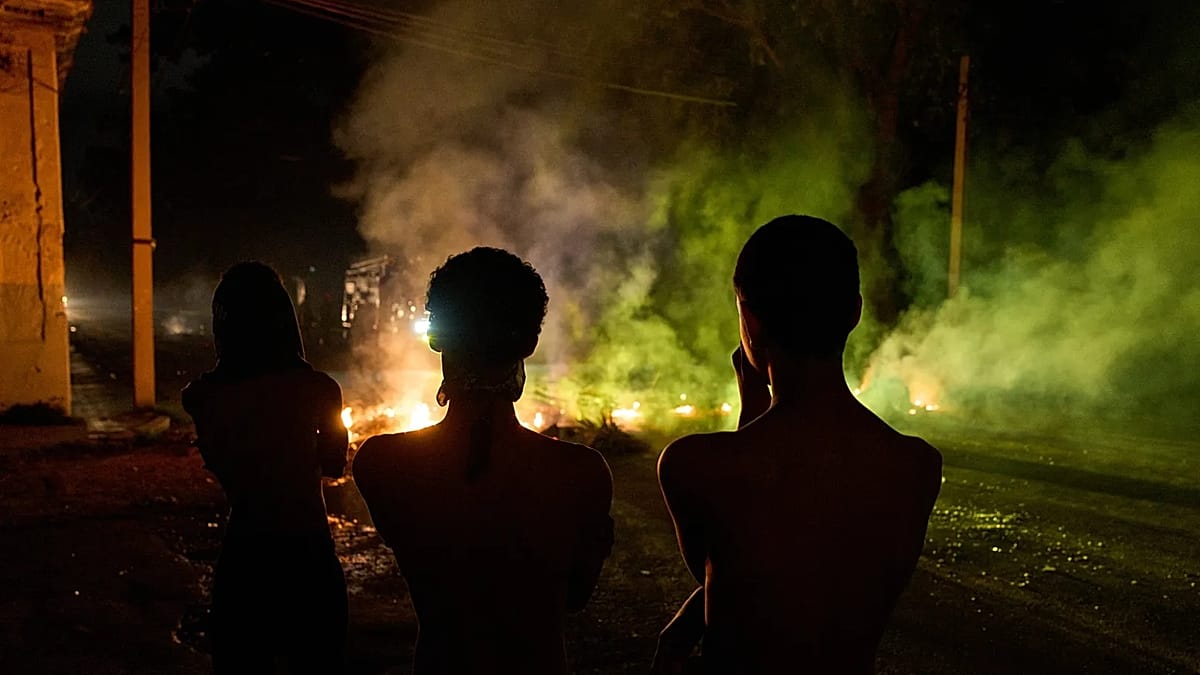
- Rubio urges Cuba’s government to step down during aid announcement
- US pledges €85 million in humanitarian assistance to Cuba
- Venezuela cut fuel shipments to Cuba after January raid
U.S. Senator Marco Rubio Marco Rubio pressed for the immediate removal of Cuba’s communist leadership on Wednesday as the State Department unveiled a €85 million aid package aimed at easing humanitarian shortages on the island. The announcement came less than 24 hours after Venezuela’s new government confirmed it had halted oil deliveries to Cuba, a decision directly linked to pressure applied after the January 24 raid that removed President Nicolás Maduro Nicolás Maduro from power.
Rubio, a Florida Republican and longtime critic of Havana’s government, framed the aid as both a humanitarian gesture and a strategic move to weaken Cuba’s ruling Communist Party Communist Party of Cuba. “The Cuban people deserve better than a regime that has failed them for decades,” Rubio told reporters. “Any assistance must come with a clear path toward democratic transition.”
The €85 million pledge—primarily in food, medicine, and energy support—was confirmed by State Department spokesperson Matthew Miller, who said the aid would bypass government channels where possible to reach vulnerable populations directly. “This assistance reflects America’s long-standing commitment to the Cuban people,” Miller stated. “We are focused on delivering relief while maintaining pressure on authorities responsible for repression and economic mismanagement.”
Cuba’s energy crisis deepened after the January 24 raid in Caracas, when U.S.-backed forces captured President Maduro during a military operation. His successor, interim leader Edmundo González Urrutia Edmundo González Urrutia, subsequently aligned with Washington and suspended oil exports to Havana under terms of restored U.S. trade relations. Cuba had previously relied on Venezuela for roughly 50% of its fuel needs, leaving the island scrambling to maintain power grids and public transport.
Fuel Shortages Worsen Cuba’s Humanitarian Crisis
Cuba’s energy shortages have triggered blackouts, food price spikes, and long lines for scarce goods. State media reported rolling blackouts affecting half the country as refineries struggle to operate. Doctors and teachers have staged protests over unpaid wages and collapsing infrastructure, with reports of hospitals running without reliable electricity.
The aid package was announced as diplomats from the European Union and Canada are scheduled to meet with Cuban officials in Brussels next week to discuss humanitarian access. EU foreign policy chief Josep Borrell Josep Borrell confirmed the bloc is reviewing its own support mechanisms but emphasized that political reforms must accompany any relief efforts.
Critics question whether the aid will reach intended beneficiaries under Cuba’s centralized distribution system. Independent journalists and human rights groups say government officials often divert international aid for political purposes or resell it on the black market. The U.S. State Department said monitoring systems are in place to prevent diversion.
Regional Diplomacy Shifts After Maduro’s Fall
The sudden halt in Venezuelan oil has forced Cuba to seek fuel from Russia and Iran, both of which have increased shipments in recent weeks. However, analysts warn that these supplies come with political strings and may not be sustainable. Cuba’s foreign minister Bruno Rodríguez Bruno Rodríguez Parrilla called the aid announcement “a cynical attempt to interfere in Cuba’s internal affairs” and vowed to reject any assistance tied to regime change.
Washington has not publicly linked the aid to political concessions but Rubio made clear that continued support depends on Havana’s willingness to allow free elections and release political prisoners. “We’re not giving money to a dictatorship,” he said. “We’re giving it to the Cuban people—with strings attached to freedom.”
What Happens Next
The State Department said the €85 million would be disbursed within 90 days through established humanitarian channels, including UN agencies and NGOs operating in Cuba. The U.S. Agency for International Development (USAID) is coordinating logistics with local partners to ensure distribution reaches hospitals, schools, and food banks.
Meanwhile, regional observers expect Cuba to face deeper energy shortages in the coming months unless alternative fuel sources are secured. The government has announced emergency measures, including fuel rationing and increased use of renewable energy, but experts say these steps are insufficient without broader economic reforms.
Cuba’s National Assembly is set to convene in October to approve next year’s budget, which may include new austerity measures. Opposition leaders inside and outside the country have called for nationwide protests to demand reforms and accountability.
International aid groups say they are preparing contingency plans in case access is restricted by Cuban authorities. The Red Cross and Doctors Without Borders have already increased their presence in provinces hardest hit by shortages.
What You Need to Know
- Source: Euronews
- Published: May 14, 2026 at 08:40 UTC
- Category: World
- Topics: #euronews · #europe · #world-news · #politics · #government · #marco-rubio
Read the Full Story
This is a curated summary. For the complete article, original data, quotes and full analysis:
All reporting rights belong to the respective author(s) at Euronews. GlobalBR News summarizes publicly available content to help readers discover the most relevant global news.
Curated by GlobalBR News · May 14, 2026
Related Articles
- Zimbabwe’s diaspora reshapes real estate and farming investment trends
- Eurovision 2024 faces scrutiny over Israel’s participation amid war
- War in the Middle East: Israel targets top Hamas leader in Gaza
🇧🇷 Resumo em Português
O senador republicano dos EUA, Marco Rubio, intensificou a pressão sobre o governo cubano ao exigir a renúncia de seus líderes, enquanto Washington anuncia um pacote de €85 milhões em ajuda humanitária para a ilha. A medida ocorre em meio a uma crise econômica agravada em Cuba, com escassez de alimentos, medicamentos e combustível, e após protestos populares que sacudiram o país em 2021. A iniciativa dos EUA marca mais um capítulo nas tensões históricas entre as duas nações, reacendendo debates sobre a eficácia das sanções e o papel americano na região.
O contexto é especialmente relevante para o Brasil, que mantém relações diplomáticas com Cuba e tem interesse em estabilidade na América Latina, além de ser um dos principais receptores de migrantes cubanos na região. A ajuda anunciada pelos EUA pode ser vista como um sinal de que Washington busca ampliar sua influência na ilha, mas também levanta questionamentos sobre como o Brasil e outros países lusófonos ou latino-americanos irão posicionar-se frente a essa pressão. Historicamente, Cuba tem sido um aliado estratégico para regimes de esquerda na América Latina, e a queda de seus líderes poderia reconfigurar o equilíbrio de poder no continente.
A próxima etapa deve envolver negociações internacionais para definir como a ajuda será distribuída e se haverá condicionantes políticas para seu recebimento, o que pode gerar novas tensões.
🇪🇸 Resumen en Español
El senador republicano Marco Rubio ha intensificado su presión sobre el gobierno cubano, exigiendo su renuncia mientras Washington anuncia una partida de 85 millones de euros en ayuda humanitaria destinada a aliviar la crisis en la isla. Con este gesto, Estados Unidos refuerza su postura crítica hacia el régimen de La Habana, en un momento de creciente malestar social y escasez en Cuba.
La iniciativa de Rubio, que se suma a las sanciones ya impuestas por Washington, refleja la estrategia de la administración estadounidense para debilitar al gobierno cubano mediante el apoyo a la población. Para los hispanohablantes, especialmente aquellos con vínculos en la región, la noticia subraya las tensas relaciones entre EE.UU. y Cuba, así como el impacto de las políticas exteriores en la vida cotidiana de los cubanos. Mientras el régimen insiste en culpar al bloqueo por sus problemas económicos, la ayuda estadounidense —centrada en alimentos y medicinas— podría acentuar la presión diplomática sobre La Habana.
Euronews
Read full article at Euronews →This post is a curated summary. All rights belong to the original author(s) and Euronews.
Was this article helpful?

Discussion