Prince George’s playground line shows how kids mix royal fact with playground bravado.
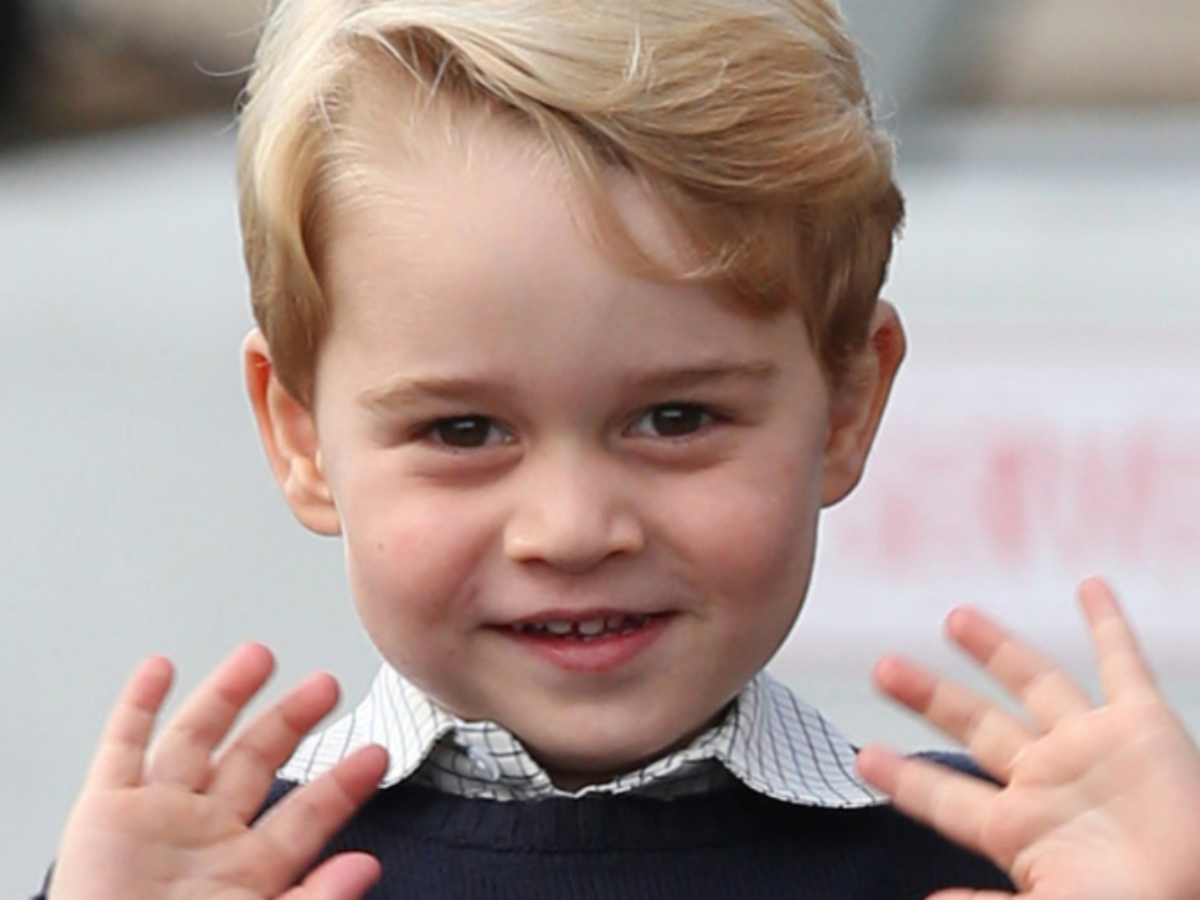
- Prince George told a classmate his dad would be king in 2019
- Royal experts say kids often echo family titles without arrogance
- William and Kate aim to mix normal life with royal duties
The video clip of young Prince George, now 11, first appeared online in 2019 after a parent filmed it at a school in Norfolk. In the footage, George — dressed in a navy polo shirt and shorts — confronts a classmate during a playground scuffle. His exact words, caught on camera, are simple and blunt: ‘My dad is going to be king, so watch out.’ The moment quickly spread among parents and royal watchers, who either laughed at the kid’s confidence or winced at the hint of entitlement. It’s easy to see why the clip struck a chord: it’s a moment where royal duty collides with playground logic, and the kid handled it like any other five-year-old would — by leaning on the one fact he knows best.
How the palace handles normal kid moments
William and Catherine, Princess of Wales, now parents of three, have long aimed to raise their children as normally as possible despite their inescapable royal future. Teachers at Thomas’s Battersea, the London prep school George attended, have repeatedly described the family’s approach: strict routines, no royal privileges, and a focus on friendships that aren’t based on status. ‘They want their kids to be kids first,’ said one former teacher who spoke on condition of anonymity. ‘The palace even asked staff not to mention royal titles in front of the children unless they brought it up themselves.’ The approach seems to work — at least, most of the time. George’s playground line is less about him believing he’s better than others, and more about him simply repeating what he’s heard at home or in the news.
The video resurfaced this week after a royal commentator posted it on social media with the caption ‘Kid logic at its finest.’ Within hours, it racked up over a million views and thousands of comments. Some users called it adorable. Others argued it’s evidence the monarchy is still too present in the children’s lives. ‘He’s just a kid,’ wrote one commenter. ‘But yeah, that line sounds like it came straight from a palace PR handbook.’ What’s harder to argue with is how the moment humanizes the young prince. For years, George has been seen as a serious, sometimes sullen child in public photos, often standing stiffly beside his parents. This clip shows a glimpse of the kid behind the crown — one who, like any other boy his age, mixes fact with fantasy when defending his turf.
Why kids repeat what they hear
Child psychologists say George’s words reflect how children process identity at this age. ‘Kids this young often parrot what they’ve heard without fully grasping the meaning,’ explained Dr. Anna Wilson, a developmental psychologist at University College London. ‘For George, his dad’s future role is something he’s heard about repeatedly in family conversations or in the media, so he repeats it as a way to assert himself.’ Wilson added that children in similar situations — kids of celebrities, politicians, or athletes — often do the same thing. ‘It’s not arrogance,’ she said. ‘It’s just how they make sense of the world around them.’
The resurfacing of the video also highlights how social media turns simple moments into global conversations. Unlike past eras, when such an incident might have stayed within a school community, today’s parents with smartphones can instantly share moments that become cultural talking points. For the British monarchy, this kind of visibility is a double-edged sword. It keeps the royal family relatable, but it also invites scrutiny over how much of their private life should ever be public. William and Kate have learned to navigate this carefully — they allow controlled access to their children’s lives but draw the line at anything that could exploit them.
What happens next for the young prince
George isn’t due to take on official royal duties for at least another decade, but the public’s fascination with him isn’t slowing down. His next milestone will likely be starting secondary school in September 2025, when he turns 12. Speculation is already swirling about whether he’ll follow in his father’s footsteps at Eton College, the same school William attended. For now, though, the palace is keeping things quiet. A spokesperson for the Royal Household declined to comment on the resurfaced video but reiterated their commitment to ‘protecting the privacy and normal childhood’ of the Prince and Princess of Wales’ children.
One thing’s clear: George’s playground line isn’t going away. It’s now part of the public’s mental image of him — a kid who, despite his future title, still thinks like any other boy his age. And in a world where royal families often feel distant, that kind of relatable moment is priceless.
What You Need to Know
- Source: Times of India
- Published: May 17, 2026 at 09:44 UTC
- Category: World
- Topics: #india · #asia · #world-news · #prince-george · #royal · #william
Read the Full Story
This is a curated summary. For the complete article, original data, quotes and full analysis:
All reporting rights belong to the respective author(s) at Times of India. GlobalBR News summarizes publicly available content to help readers discover the most relevant global news.
Curated by GlobalBR News · May 17, 2026
Related Articles
- 🎉 250 Articles in World!
- WHO declares Ebola emergency as Congo outbreak spreads to Uganda
- WHO declares Ebola emergency as Congo and Uganda outbreaks surge
🇧🇷 Resumo em Português
A frase que pegou o mundo de surpresa veio de um futuro rei de apenas sete anos de idade, mas com uma segurança que deixaria qualquer adulto no chinelo: “Meu pai vai ser rei, então cuidado”. Essa declaração espontânea de Prince George, neto da rainha Elizabeth II, durante uma briga no parquinho, viralizou nas redes sociais e reacendeu discussões sobre criação de filhos na realeza britânica. A fala, que poderia soar como um arrogante “puxa-saco”, foi vista como um sinal de naturalidade, senso de humor e até mesmo de preparo para um futuro no trono — algo que, no Brasil, onde a monarquia é história, soa tanto como curiosidade cultural quanto como um exemplo de como a infância real pode ser diferente da vida de qualquer criança.
No contexto brasileiro, a fala do pequeno príncipe ganhou destaque não só pelo inusitado, mas também por servir como um espelho para refletirmos sobre privilégios e responsabilidades desde cedo. Enquanto no Brasil a discussão sobre meritocracia e oportunidades é constante, a imagem de um menino que, mesmo sem ter feito nada para merecer, já carrega o peso simbólico de um cargo hereditário, levanta questões sobre privilégio de berço versus esforço individual. Além disso, o episódio reforçou a fascinação global pela família real britânica, um tema que, no Brasil, ainda atrai curiosidade — especialmente em tempos de nostalgia pela monarquia, como os que vivemos com a comemoração dos 200 anos da Independência em 2022.
A próxima vez que Prince George der uma declaração pública, o mundo vai prestar atenção — afinal, ele não é apenas um garoto, mas um futuro chefe de Estado treinando desde cedo para o papel.
🇪🇸 Resumen en Español
El pequeño príncipe Jorge, heredero al trono británico, dejó a todos boquiabiertos con una frase que, lejos de ser un simple capricho infantil, escondía más verdad que muchos discursos oficiales. En un momento de juego en el colegio, el niño soltó con naturalidad: “Mi papá va a ser rey, así que cuidado”, un comentario que, más allá de su ingenuidad, iluminó con crudeza las jerarquías del poder en la monarquía.
El revuelo no fue casual: esa afirmación, grabada en vídeo y difundida masivamente, trascendió lo anecdótico para convertirse en un reflejo de cómo el peso de la tradición recae incluso sobre los hombros más jóvenes. Para los hispanohablantes, acostumbrados a monarquías como la española —con su propia carga simbólica y generacional—, el episodio resonó como un recordatorio de que la realeza no es solo pompa y circunstancia, sino un sistema que moldea vidas desde la cuna. La viralidad del momento también reveló el apetito público por humanizar a las figuras institucionales, mostrando que, a veces, son los niños quienes desvelan las verdades incómodas del poder.
Times of India
Read full article at Times of India →This post is a curated summary. All rights belong to the original author(s) and Times of India.
Was this article helpful?



Discussion