Mali’s junta regains Kidal with Russian mercenary air support after Islamist-Tuareg rebel offensive in April.
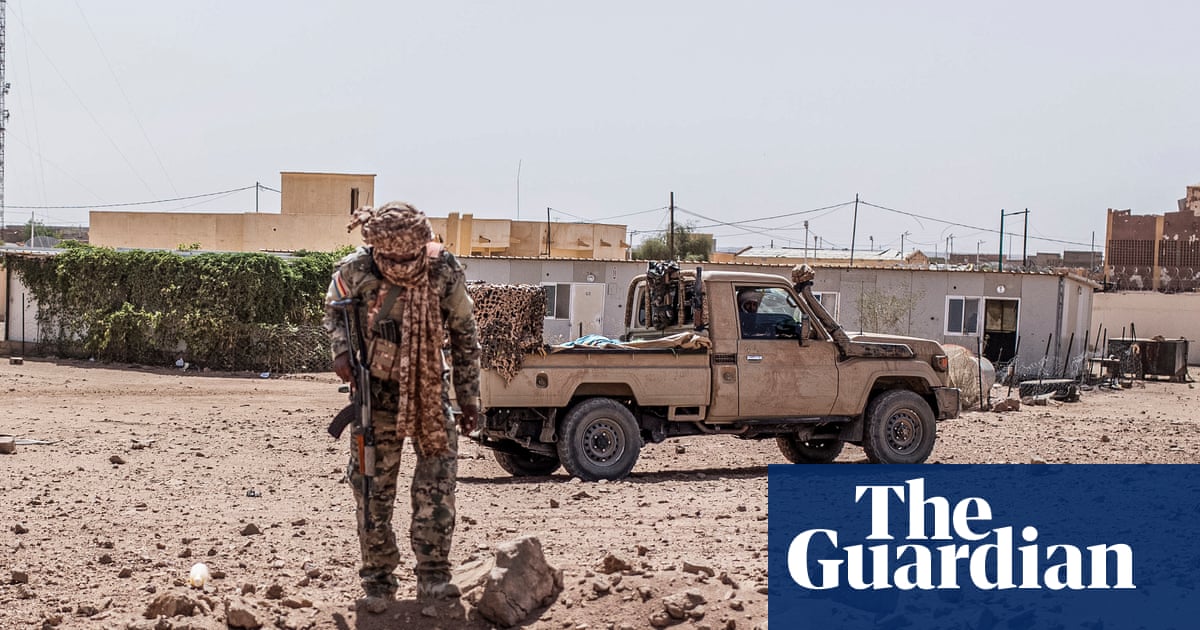
- Junta-backed forces strike Kidal with Russian mercenary air support
- Rebel coalition of Islamists and Tuareg separatists seized Kidal in April
- Junta struggles to maintain control amid political instability
Mali’s military, supported by Russian mercenaries, launched airstrikes on Tuesday targeting the rebel-held northern town of Kidal, regaining control after the city fell to a coalition of Islamist extremists and Tuareg separatists in a surprise offensive last month. The strikes mark a significant escalation in the junta’s campaign to reclaim territory lost since the rebel alliance advanced in late April, forcing government forces into retreat across northern Mali.
The rebel coalition, known as the Coalition of Azawad Movements, includes armed groups like the Islamic State in the Greater Sahara and the National Movement for the Liberation of Azawad, which seeks greater autonomy for the Tuareg people. Their rapid advance caught Mali’s junta-led government, which seized power in 2020 and 2021, off guard, exposing vulnerabilities in its security strategy.
The junta has relied heavily on Russian mercenaries from the Wagner Group for military support, including combat operations and training, since 2022. The group’s involvement has drawn international criticism over human rights abuses and has complicated Mali’s relations with Western nations, particularly France and the United States, which have reduced military cooperation amid the growing influence of Russian forces.
Tuesday’s airstrikes targeted positions in Kidal, a strategic hub in northern Mali that serves as a gateway to the Sahara. The town had been under rebel control since late April, when the coalition launched a coordinated offensive across several northern regions, seizing key military bases and towns. The junta’s recapture of Kidal signals a potential shift in the conflict, though the rebels retain significant influence in surrounding areas.
The offensive has deepened Mali’s political crisis, with the junta facing mounting pressure to restore stability before planned elections, now postponed indefinitely. Critics accuse the military leadership of prioritizing power retention over national security, while the junta argues it needs more time to stabilize the country before handing over control to civilians.
Regional and international observers warn that the renewed fighting could destabilize the wider Sahel region, where Islamist insurgencies have spread across multiple countries. The United Nations and African Union have called for restraint, urging dialogue to resolve the conflict, but both sides appear committed to military solutions.
Analysts say the junta’s reliance on Russian mercenaries may provide short-term military gains but risks long-term consequences, including further isolation on the global stage and potential sanctions. The Wagner Group’s expanding footprint in Mali has also raised concerns about the group’s influence over domestic politics and security decisions.
As the junta tightens its grip on Kidal, the broader question remains: Can Mali’s military leadership restore security and legitimacy, or will the country continue to spiral into deeper instability? The answer will shape Mali’s future—and the stability of the Sahel—for years to come.
What You Need to Know
- Source: The Guardian
- Published: May 15, 2026 at 14:57 UTC
- Category: World
- Topics: #guardian · #world-news · #international · #war · #conflict · #mali
Read the Full Story
This is a curated summary. For the complete article, original data, quotes and full analysis:
All reporting rights belong to the respective author(s) at The Guardian. GlobalBR News summarizes publicly available content to help readers discover the most relevant global news.
Curated by GlobalBR News · May 15, 2026
Related Articles
- US proposes 40% cut in Colorado River water for 3 states amid drought
- UK insurers charge more or refuse cover for Chinese EVs like Jaecoo
- Trump urges Taiwan to avoid independence amid rising China tensions
🇧🇷 Resumo em Português
O Mali deu um passo arriscado na escalada do conflito interno ao lançar ataques aéreos contra posições rebeldes em Kidal, com apoio de mercenários russos do grupo Wagner. A ofensiva ocorre após uma coalizão entre islamistas e tuaregues ter avançado sobre territórios antes controlados pela junta militar, ameaçando derrubar o regime que tomou o poder em 2020. Com tanques e aviões, o governo tenta desesperadamente manter o controle, mas a situação cada vez mais lembra um campo de batalha de interesses geopolíticos.
O Brasil, embora distante geograficamente, observa com atenção os desdobramentos no Sahel africano, já que a região é estratégica para a estabilidade global e para os interesses brasileiros no combate ao terrorismo e ao tráfico de armas. A presença russa no Mali, aliada à fragilidade das forças locais, levanta preocupações sobre o avanço de grupos jihadistas — uma ameaça que já atingiu países vizinhos como Burkina Faso e Níger. Para o Brasil, que mantém cooperação militar e humanitária na África, o cenário reforça a importância de políticas de segurança que evitem o colapso institucional em países africanos.
Enquanto a junta malinesa aposta em uma vitória rápida, especialistas alertam que a estratégia pode piorar a crise humanitária e radicalizar ainda mais os grupos rebeldes, colocando a comunidade internacional diante de um impasse sem solução fácil à vista.
🇪🇸 Resumen en Español
El golpe de Estado en Malí en 2020 dejó un país sumido en la inestabilidad, y ahora la junta militar, con apoyo de mercenarios rusos, lanza ataques aéreos contra Kidal para frenar el avance de una coalición islamista-tuarég.
El conflicto se enmarca en la lucha por el control territorial en el Sahel, donde grupos yihadistas y movimientos independentistas tuareg han ganado terreno desde la caída de gobiernos anteriores. La intervención rusa, a través del grupo Wagner, refuerza la posición de la junta frente a la presión internacional por la falta de elecciones y el deterioro de derechos humanos. Para los hispanohablantes, este escenario recuerda a la inestabilidad en el Magreb y el Sahel, regiones con las que España mantiene lazos históricos y migratorios, lo que subraya la importancia de seguir de cerca estos conflictos por su impacto en la seguridad y la migración hacia Europa.
The Guardian
Read full article at The Guardian →This post is a curated summary. All rights belong to the original author(s) and The Guardian.
Was this article helpful?

Discussion