Hong Kong’s Hung Shui Kiu industrial park operator plans bond sales and tax breaks to draw businesses.
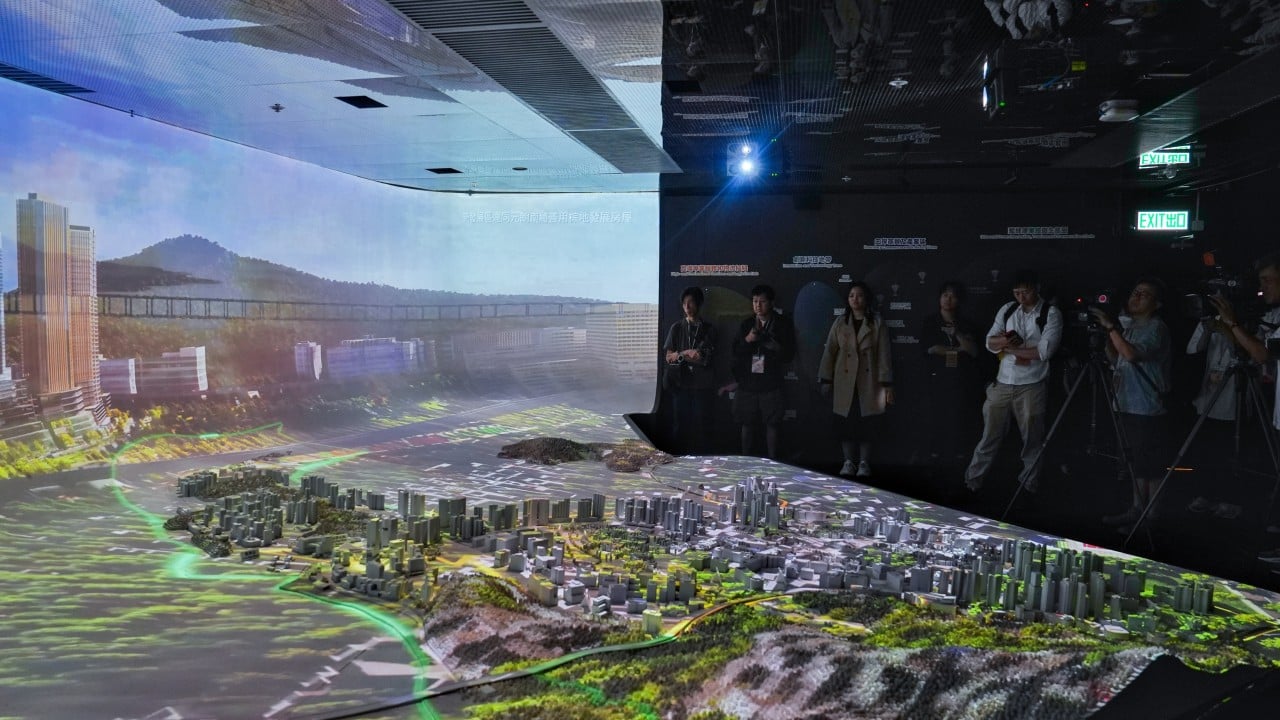
- Operator plans bond issuance to fund future operations and projects
- Proposes tax concessions to attract enterprises to the park
- Jeffrey Lam Kin-fung starts three-year term as chairman on June 1
Hong Kong’s Hung Shui Kiu Industrial Park is preparing to sell bonds to finance its expansion and will ask the government for tax breaks to pull companies into the area, the park’s incoming chairman said Sunday. Jeffrey Lam Kin-fung, a veteran industrialist, made the announcement two weeks before he officially takes over as chairman of the park’s government-owned operator on June 1. The move signals a push to turn the underused industrial zone into a magnet for manufacturers and tech firms amid Hong Kong’s push to revive its manufacturing sector after years of decline.
A new plan to fill empty factories
The operator, Hung Shui Kiu Industry Park Company, is the first government-backed entity set up to speed up development of the 550-hectare site in Yuen Long, northwest Hong Kong. Lam said the company is exploring bond sales to raise cash for infrastructure like roads, power, and water supplies. The park already has 1.3 million square feet of space but only 30% is occupied, leaving plenty of room for growth. Tax cuts, he added, would sweeten the deal for companies considering moving in.
Lam, a former Legislative Council member and longtime advocate for industrial revival, argued that Hong Kong can’t afford to rely only on finance and services. “We need a real industrial base,” he told reporters Sunday. “Bonds will let us build what’s needed fast. Tax breaks will make it worth their while for firms to set up here instead of Shenzhen or Guangzhou.” The plan comes as Beijing pressures Hong Kong to boost manufacturing, especially in tech and green industries, to reduce reliance on imports.
Why bonds and tax cuts matter
Bonds let the park borrow at lower rates than bank loans, which is key for long-term projects like power plants or waste treatment facilities. The operator hasn’t said how much it plans to issue but confirmed talks are underway with banks. Tax cuts could include lower corporate rates for new tenants in the first five years or exemptions on import duties for machinery. Lam said details will be hashed out with Hong Kong’s Financial Services and the Treasury Bureau over the next six months.
The park’s location puts it just 20 minutes from Shenzhen by high-speed rail and 40 minutes from Guangzhou, making it attractive for manufacturers who want a foot in both China and global markets. But so far, only a handful of firms have moved in, mostly small workshops making plastic parts or packaging. Lam wants to change that by targeting mid-sized manufacturers in electronics, biotech, and advanced materials. “We’re not just chasing quantity,” he said. “We need quality tenants who can scale up and hire locally.”
Challenges ahead
Even with financial incentives, the park faces hurdles. Hong Kong’s high rents and labor costs put it at a disadvantage against neighboring cities. The government has pledged $2.5 billion in subsidies to upgrade the park, but critics say that’s not enough to offset the cost gap. Environmental groups also warn that expanding industrial zones could worsen pollution in the Deep Bay area, where the park sits near wetlands.
Still, Lam is betting on Hong Kong’s reputation for rule of law and ease of doing business. “Foreign investors trust Hong Kong,” he said. “They know their IP is safe here. That’s something Shenzhen and Guangzhou can’t always promise.” If the bond plan and tax talks succeed, the park could add 5,000 jobs within five years, according to internal estimates. That’s a drop in the bucket for Hong Kong’s 3.7 million-worker economy, but a start.
The next step is a formal proposal to the government by year-end, followed by public consultations. Lam starts his three-year term June 1, and he’s already scheduled meetings with potential tenants in July. If all goes well, the first bond sale could happen by early 2025.
What You Need to Know
- Source: SCMP
- Published: May 17, 2026 at 11:12 UTC
- Category: World
- Topics: #scmp · #asia · #china · #world-news · #hung-shui-kiu · #hong-kong
Read the Full Story
This is a curated summary. For the complete article, original data, quotes and full analysis:
All reporting rights belong to the respective author(s) at SCMP. GlobalBR News summarizes publicly available content to help readers discover the most relevant global news.
Curated by GlobalBR News · May 17, 2026
Related Articles
- 🎉 250 Articles in World!
- WHO declares Ebola emergency as Congo outbreak spreads to Uganda
- WHO declares Ebola emergency as Congo and Uganda outbreaks surge
🇧🇷 Resumo em Português
O novo operador do parque industrial de Hung Shui Kiu, na China, prepara uma estratégia agressiva para atrair empresas: emissão de títulos no mercado internacional e redução de impostos para indústrias que se instalarem na região, com o objetivo de consolidar o parque como um polo econômico estratégico. A iniciativa ganha destaque em um momento crucial, às vésperas da transferência de liderança do governo de Hong Kong, prevista para 1º de junho, o que levanta questões sobre a continuidade das políticas de incentivo econômico na região.
O projeto, que é o primeiro parque industrial apoiado pelo governo chinês, representa uma oportunidade de ouro para o Brasil e outros países lusófonos, especialmente em um cenário global de realocação de cadeias produtivas. Com a China buscando diversificar sua indústria e reduzir dependências, a atração de empresas estrangeiras para Hung Shui Kiu pode abrir caminhos para parcerias comerciais e investimentos bilaterais. Além disso, a medida sinaliza uma tendência de incentivos fiscais e financeiros para setores estratégicos, que o Brasil também poderia replicar para modernizar sua indústria e atrair capitais externos.
O sucesso ou fracasso dessa estratégia chinesa poderá ditar o ritmo de novos projetos semelhantes no mundo, inclusive na América Latina, onde a concorrência por investimentos industriais será cada vez mais acirrada.
🇪🇸 Resumen en Español
El operador del parque industrial de Hung Shui Kiu apuesta por bonos y rebajas fiscales para seducir a las empresas antes de la transición de poder prevista para junio. La iniciativa, pionera al ser el primer parque respaldado por el gobierno, busca reactivar un motor clave para la economía regional y reforzar el atractivo de Hong Kong como hub manufacturero en Asia.
La estrategia, que incluye financiación vía deuda y estímulos tributarios, llega en un momento crítico para la ciudad, donde la competencia con otras regiones asiáticas por la inversión industrial es feroz. Para los hispanohablantes, especialmente aquellos vinculados a cadenas de suministro o negocios globales, este movimiento podría significar nuevas oportunidades de colaboración o incluso la relocalización de parte de sus operaciones. Además, refleja los esfuerzos de Hong Kong por mantener su relevancia en un contexto marcado por tensiones geopolíticas y cambios en el modelo económico tradicional.
SCMP
Read full article at SCMP →This post is a curated summary. All rights belong to the original author(s) and SCMP.
Was this article helpful?


Discussion