US struggles to quickly produce missiles like Tomahawks after strikes, prompting Pentagon to seek faster munitions manufacturing.
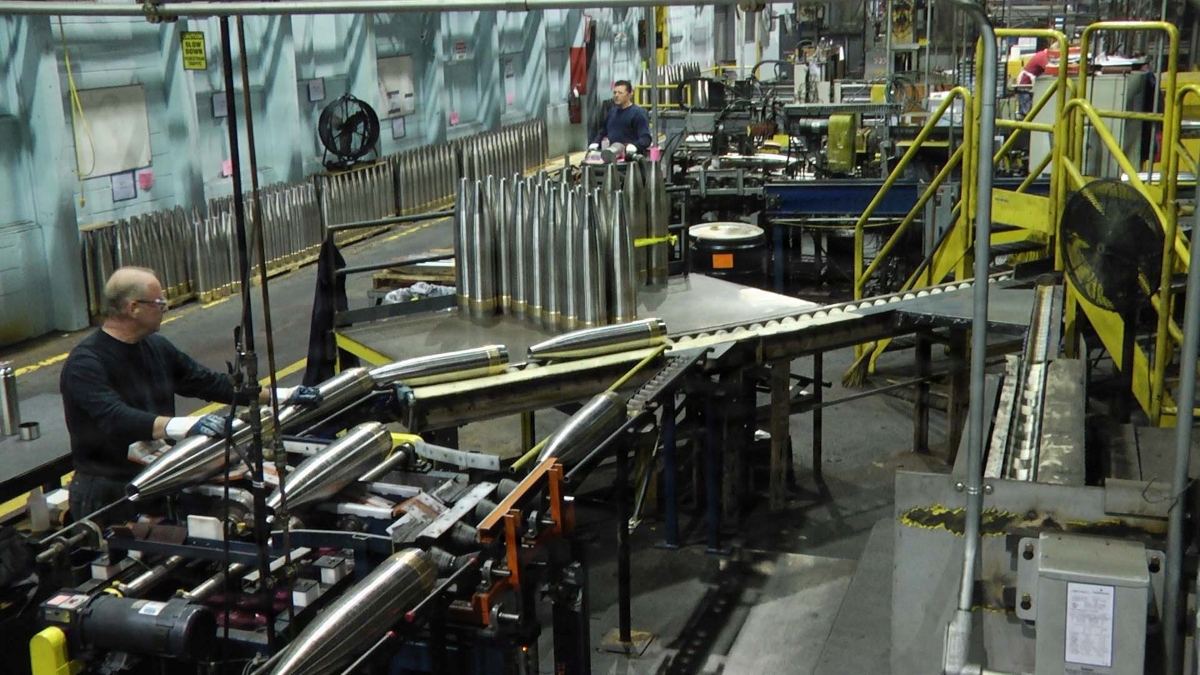
- Tomahawk missiles take years to produce and months to contract
- Pentagon seeks faster munitions production after Ukraine war demands
- Defense officials want to compress manufacturing timelines significantly
The U.S. military’s recent strikes, including Operation Epic Fury, relied on munitions like the Tomahawk Land Attack Missile Tomahawk missile, which take years to manufacture and months just to enter contracts. This prolonged timeline has exposed a critical gap in the Pentagon’s ability to rapidly replenish stockpiles, whether for direct military operations or support to allies like Ukraine.
Defense officials have long sought to compress these production timelines, but the challenge has grown more urgent amid the Russo-Ukrainian War. The conflict has drained U.S. and allied munitions reserves, forcing a reckoning with the Pentagon’s slow manufacturing processes. The war’s demands have highlighted the need for a structured approach to surge production, one that can respond to sudden increases in demand without sacrificing quality or reliability.
The lessons from Ukraine’s munitions shortage
The war in Ukraine has served as a stress test for U.S. munitions supply chains. High-intensity combat has consumed artillery shells, missiles, and drones at unprecedented rates, leaving Western arsenals strained. Analysts note that even advanced systems like the Tomahawk, designed for precision strikes, are not immune to production bottlenecks that delay restocking efforts.
Pentagon leaders have acknowledged that current procurement and manufacturing systems are ill-equipped for rapid scaling. Contract negotiations, supply chain dependencies, and specialized labor all contribute to delays that can stretch over years. The result is a lag between firing munitions and replenishing stocks, a gap that risks leaving the U.S. and its allies vulnerable in prolonged conflicts.
Why exquisite munitions take so long to produce
Exquisite munitions—highly advanced, precision-guided weapons—are engineered for performance, not speed. The Tomahawk, for example, requires years of development, testing, and approval before mass production begins. Contract awards alone can take months, as defense contractors must navigate complex procurement processes, regulatory hurdles, and budget allocations.
Manufacturing these systems is equally time-intensive. Components like guidance systems, propulsion units, and warheads often rely on specialized suppliers, many of which operate at or near capacity. Delays in any part of the supply chain can ripple through production timelines, further extending the wait for replenished stocks. Defense officials have sought to streamline these processes, but systemic inertia and bureaucratic constraints have slowed progress.
The call for a munitions surge production playbook
In response to these challenges, Pentagon officials and defense analysts are advocating for a standardized playbook to guide surge production efforts. Such a framework would outline clear protocols for accelerating contracts, prioritizing critical components, and coordinating between military branches and contractors. The goal is to reduce timelines from years to months—or even weeks—without compromising quality.
The playbook would also address workforce and supply chain bottlenecks. Expanding the defense industrial base, investing in automation, and diversifying suppliers are among the strategies under consideration. Policymakers are weighing legislative and budgetary measures to incentivize faster production, including increased funding for research and development and streamlined regulatory approvals.
What happens next?
The Pentagon’s push for faster munitions production comes at a time of heightened global tensions. With conflicts in Ukraine and the Middle East showing no signs of abating, the demand for rapid replenishment is unlikely to fade. Lawmakers and defense leaders are expected to debate the scale and scope of reforms in the coming months, with potential impacts on defense budgets and industrial policy.
For now, the focus remains on identifying immediate steps to alleviate production delays while building a more resilient and responsive munitions supply chain for the future.
What You Need to Know
- Source: War on the Rocks
- Published: May 07, 2026 at 08:00 UTC
- Category: War
- Topics: #defense · #military · #geopolitics · #war · #conflict · #playbook
Read the Full Story
This is a curated summary. For the complete article, original data, quotes and full analysis:
All reporting rights belong to the respective author(s) at War on the Rocks. GlobalBR News summarizes publicly available content to help readers discover the most relevant global news.
Curated by GlobalBR News · May 07, 2026
Related Articles
🇧🇷 Resumo em Português
A dependência dos EUA em mísseis de alta precisão como os Tomahawk, essenciais em conflitos recentes, agora se tornou um ponto crítico para Washington: a produção lenta desses armamentos, que pode levar anos, ameaça esvaziar os estoques após operações militares, forçando o Pentágono a buscar alternativas urgentes.
O problema ganha relevância no Brasil à medida que o país observa a dinâmica global de poder, especialmente em um cenário onde a defesa nacional depende cada vez mais de tecnologia estrangeira avançada. Enquanto potências como os EUA aceleram planos para aumentar a fabricação de munições, o Brasil, ainda em processo de modernização de suas forças armadas, precisa avaliar como essa corrida afeta sua estratégia de segurança e possíveis parcerias tecnológicas. Além disso, a situação expõe fragilidades em cadeias globais de suprimento, lembrando que até nações com indústrias bélicas consolidadas enfrentam gargalos na produção em massa.
A corrida por soluções rápidas pode redefinir alianças militares e influenciar acordos internacionais, deixando claro que o futuro da defesa não será decidido apenas por quem tem mais armas, mas por quem conseguir produzi-las no ritmo necessário.
🇪🇸 Resumen en Español
El Pentágono afronta un desafío crítico: producir municiones a un ritmo acelerado para evitar quedarse sin reservas tras conflictos como los de Ucrania o Gaza, donde misiles como los Tomahawk —que tardan años en fabricarse— se agotan rápidamente.
Ante la creciente amenaza de guerras prolongadas, el Departamento de Defensa de EE.UU. busca implementar métodos de producción masiva y escalable, pero enfrenta obstáculos logísticos y tecnológicos. Para los hispanohablantes, este debate trasciende lo militar: refleja cómo la industria armamentística global podría priorizar la velocidad sobre la calidad, con posibles consecuencias en costes, estabilidad regional y el equilibrio de poder internacional. La pregunta sigue en el aire: ¿está el mundo preparado para un escenario donde la munición se fabrique casi a demanda?
War on the Rocks
Read full article at War on the Rocks →This post is a curated summary. All rights belong to the original author(s) and War on the Rocks.
Was this article helpful?


Discussion