UK insurers charge more or refuse cover for Chinese EVs like Jaecoo but offer better rates for similar European or US models.
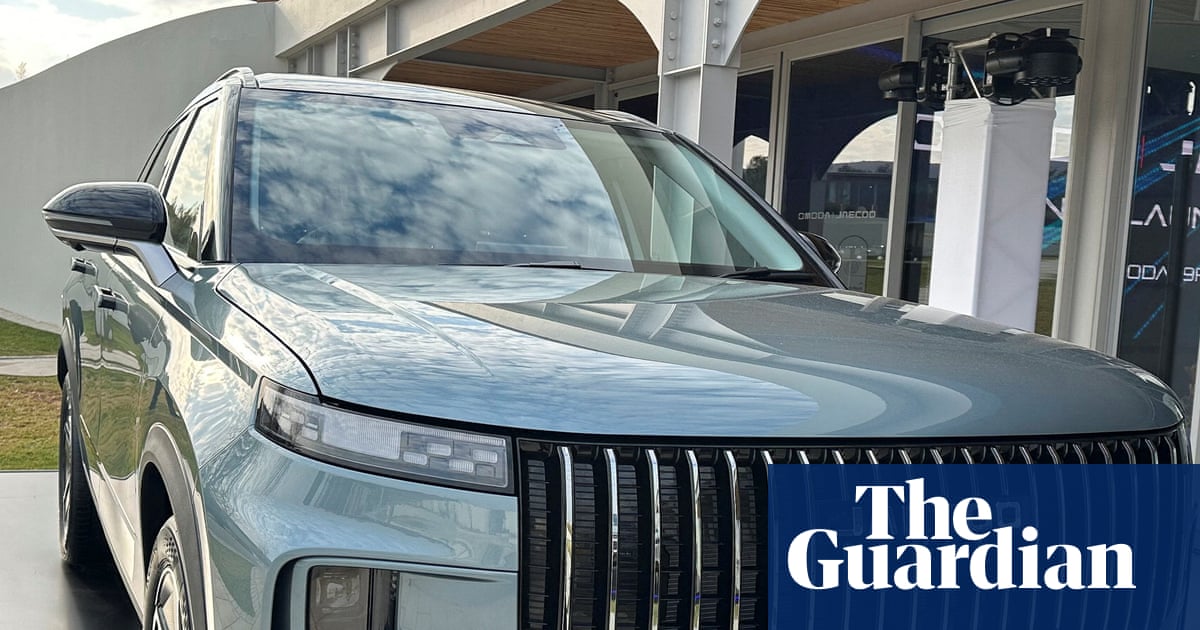
- UK insurers often refuse cover for Chinese-made EVs like Jaecoo
- Some firms charge higher premiums for China-made hybrids and EVs than petrol cars
- Chinese EV buyers have fewer insurance options than those buying European or US models
UK drivers buying electric or hybrid cars made in China face steeper insurance costs or outright refusal of coverage from major insurers, according to new research. Data from comparison site Compare the Market reveals that insurers frequently exclude models like the Jaecoo 7, a Chinese-made plug-in hybrid, or charge significantly higher premiums than for equivalent petrol cars or vehicles from Europe, the US, or South Korea.
Insurers cite data and repair risks
Industry analysts say the hesitation stems from concerns over limited repair networks for Chinese brands, higher repair costs due to specialized parts, and unfamiliarity with new models. Many UK insurers have not yet established adequate pricing models for Chinese EVs, leading to inconsistent underwriting standards. While some Chinese models are competitively priced at purchase, insurance disparities can erase initial savings.
The issue is not limited to obscure brands. Even well-known Chinese automakers selling in Europe, such as BYD, face similar challenges. Some insurers categorize these vehicles under standard EV policies, but others apply surcharges or exclusions, particularly for models not yet widely distributed in the UK.
Comparison reveals stark differences
Compare the Market’s analysis compared quotes for five Chinese-made EVs against petrol equivalents and similar EVs from Europe and the US. In one case, insuring a Jaecoo 7 PHEV cost up to 30% more than a comparable European hybrid. Another Chinese model, the MG4, saw premiums rise by over £200 annually compared to the Volkswagen ID.3, despite similar battery sizes and performance.
Insurance brokers note that while some Chinese brands are expanding globally, their presence in the UK remains limited. This makes it harder for insurers to assess risk accurately. “The market is still evolving,” said a spokesperson for the Association of British Insurers. “We’re seeing more Chinese EVs on UK roads, but underwriting data is not yet robust enough for standard pricing.”
Drivers caught between cost and coverage
For consumers like Sarah Mitchell, a London teacher who bought a Jaecoo 7 in March, the insurance struggle came as a surprise. “I chose the Jaecoo because it was cheaper than a European EV and had great reviews,” she said. “But when I tried to insure it, three major insurers refused to cover it. The fourth offered a quote 40% higher than my old petrol car.”
Mitchell eventually found coverage through a specialist broker, but at a steep premium. Her experience reflects a growing trend: Chinese EV buyers are increasingly turning to niche insurers or paying inflated rates, undermining the total cost-of-ownership advantage these vehicles often promise.
What happens next?
Industry experts predict the situation will improve as Chinese automakers expand their UK dealer networks and repair infrastructure. Some insurers are already adjusting policies as more data becomes available. However, for drivers buying Chinese EVs today, the insurance gap remains a real barrier to adoption.
The Society of Motor Manufacturers and Traders (SMMT) has called for better data-sharing between automakers and insurers to standardize pricing. “Consistency in insurance treatment will help consumers make informed choices,” said a spokesperson. Until then, Chinese EV buyers may continue to face higher costs and limited options.
What You Need to Know
- Source: The Guardian
- Published: May 16, 2026 at 06:00 UTC
- Category: World
- Topics: #guardian · #world-news · #international · #gadgets · #electric-vehicle
Read the Full Story
This is a curated summary. For the complete article, original data, quotes and full analysis:
All reporting rights belong to the respective author(s) at The Guardian. GlobalBR News summarizes publicly available content to help readers discover the most relevant global news.
Curated by GlobalBR News · May 16, 2026
Related Articles
- US proposes 40% cut in Colorado River water for 3 states amid drought
- Trump urges Taiwan to avoid independence amid rising China tensions
- Xi gives Trump private tour of secret garden in Beijing
🇪🇸 Resumen en Español
El auge de los vehículos eléctricos chinos como los Jaecoo se topa con un obstáculo inesperado en el mercado británico: las aseguradoras británicas cobran primas más altas o, directamente, se niegan a cubrirlos, mientras que modelos europeos o estadounidenses similares disfrutan de condiciones más favorables. Este fenómeno refleja los desafíos que enfrentan los coches eléctricos de origen chino en Occidente, donde la desconfianza hacia su tecnología y la falta de datos históricos sobre su comportamiento en carretera generan escepticismo entre las aseguradoras.
El problema no es menor: afecta tanto a importadores como a usuarios finales, que ven encarecidos sus costes de movilidad o se ven obligados a buscar alternativas menos accesibles. Expertos señalan que esta discriminación se debe a la escasa penetración de marcas chinas en Europa, lo que limita la información sobre su fiabilidad y reparabilidad, clave para calcular riesgos. Además, la dependencia de componentes críticos —como baterías— fabricados en China añade una capa de incertidumbre para las aseguradoras, que priorizan la estabilidad de sus coberturas. Para los hispanohablantes en Reino Unido, este escenario subraya la importancia de evaluar cuidadosamente las opciones de seguro antes de adquirir un vehículo chino, y plantea preguntas sobre cómo evolucionará la aceptación de estas tecnologías en un mercado cada vez más globalizado.
The Guardian
Read full article at The Guardian →This post is a curated summary. All rights belong to the original author(s) and The Guardian.
Was this article helpful?


Discussion