UK MPs push for ban on sunbed advertising to cut preventable skin cancer cases by up to 80%.
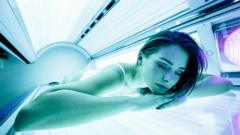
- MPs recommend banning sunbed advertising in the UK
- Report says 80% of skin cancer cases are preventable
- Tanning beds linked to rising skin cancer rates
A new report from a cross-party group of UK MPs has called for an outright ban on sunbed advertising to help prevent skin cancer, warning that most cases are avoidable. The All-Party Parliamentary Group on Skin Health said 80% of skin cancer diagnoses could be prevented with stricter controls on artificial UV exposure. MPs argue that current regulations are not enough to protect young people, who are most at risk from tanning beds.
The push for tighter rules comes after data showed a 40% rise in melanoma cases among people under 35 over the past decade. The report highlights that sunbeds emit UVA and UVB radiation at levels far exceeding natural sunlight, increasing the risk of both melanoma and non-melanoma skin cancers. MPs point to countries like Brazil and Australia, where bans on commercial sunbeds have already been introduced, as examples for the UK to follow.
Health experts and campaigners have welcomed the proposals. Cancer Research UK said advertising bans had proven effective in reducing sunbed use in other nations. The charity estimates that banning sunbeds could prevent more than 200 melanoma deaths in the UK each year. Dermatologists warn that even occasional use of tanning beds can significantly raise cancer risk, particularly for those with fair skin.
Industry and public reaction
Opponents of the ban, including some sunbed operators, argue that tighter restrictions could put businesses at risk and unfairly target adults who make informed choices. The Sunbed Association UK, an industry body, says most sunbed users are over 18 and use them responsibly. They point to existing regulations, such as age limits and mandatory health warnings, as sufficient safeguards.
Public health bodies, however, remain unconvinced. The British Association of Dermatologists has long campaigned for stronger measures, citing studies that show even brief exposure to UV radiation can cause lasting skin damage. They argue that advertising bans are a logical next step to curb demand, especially among young adults and teenagers who are heavily influenced by social media and celebrity culture.
The government has not yet responded to the report but has previously committed to reviewing public health policies on sunbeds. A spokesperson for the Department of Health and Social Care said skin cancer prevention was a priority and that any new measures would be considered carefully. MPs say they will continue to press for action, with calls for legislation to be introduced within the next 12 months.
If implemented, the UK would join a growing list of European countries taking a harder line on sunbeds. France introduced a total ban in 2014, while Spain and Portugal have restricted access to commercial tanning facilities. Proponents of the move argue that the health risks of sunbeds far outweigh any perceived cosmetic benefits, particularly as safer alternatives like self-tanning lotions and spray tans become more widely available.
What You Need to Know
- Source: BBC News
- Published: May 13, 2026 at 10:37 UTC
- Category: Health
- Topics: #bbc · #health · #medicine · #cancer · #skin-cancer-prevention · #sunbed-advertising-ban
Read the Full Story
This is a curated summary. For the complete article, original data, quotes and full analysis:
All reporting rights belong to the respective author(s) at BBC News. GlobalBR News summarizes publicly available content to help readers discover the most relevant global news.
Curated by GlobalBR News · May 13, 2026
Related Articles
- Why ‘Ballmaxxing’ May Be More Dangerous Than You Think
- Weight Loss Surgeries Decline as GLP-1 Use Skyrockets. Why This Matters
- Olympian Allyson Felix on Why Rest and Recovery Beat Hustle Culture
🇧🇷 Resumo em Português
O Brasil, que já registra altos índices de câncer de pele, pode ganhar um aliado inesperado na luta contra a doença: a proposta de proibir a publicidade de cabanas de bronzeamento artificial no Reino Unido. A medida, defendida por parlamentares britânicos, joga luz sobre um problema global, já que as camas de UV, responsáveis por milhares de casos evitáveis de melanoma, ainda são amplamente comercializadas em diversos países, inclusive no Brasil, onde a Agência Nacional de Vigilância Sanitária (Anvisa) ainda não as baniu.
O relatório apresentado no Parlamento britânico destaca que a exposição à radiação ultravioleta artificial aumenta em até 75% o risco de desenvolver câncer de pele, especialmente em jovens, que são os principais alvos das campanhas de marketing dessas máquinas. No Brasil, onde a Sociedade Brasileira de Dermatologia estima que 30% dos casos de melanoma afetam pessoas com menos de 40 anos, a ausência de regulamentação federal deixa a porta aberta para a proliferação desses equipamentos em salões de beleza e clínicas, mesmo em estados onde leis municipais já tentam restringir seu uso. Especialistas brasileiros alertam que, sem uma proibição nacional da propaganda, o país corre o risco de se tornar um refúgio para a indústria do bronzeamento artificial, que já foi banida em países como Austrália e França.
Enquanto a Anvisa estuda a possibilidade de restringir o uso de cabanas de bronzeamento, a decisão sobre o futuro dessas máquinas no Brasil pode definir se o país seguirá o exemplo europeu ou manterá uma lacuna perigosa na prevenção do câncer de pele.
🇪🇸 Resumen en Español
Los diputados británicos piden prohibir la publicidad de las camas solares para reducir los casos evitables de cáncer de piel, que cada año afectan a miles de personas en Europa. La iniciativa surge tras un informe que alerta sobre los riesgos de las cabinas de rayos UVA y urge a las autoridades a actuar con urgencia para frenar una práctica que sigue siendo popular pese a sus graves consecuencias para la salud.
El documento, respaldado por expertos, subraya que el 86% de los melanomas podrían prevenirse evitando la exposición a estas radiaciones artificiales, responsables de envejecimiento prematuro y tumores malignos. Para los hispanohablantes, el debate trasciende fronteras: países como España, donde el uso de estos dispositivos sigue siendo legal en algunos centros, deberían replantearse su regulación. La Organización Mundial de la Salud ya los clasifica como carcinógenos, por lo que la presión sobre gobiernos y plataformas digitales para restringir su promoción crece, especialmente ante el auge de los influencers que normalizan su uso sin advertir de sus peligros.
BBC News
Read full article at BBC News →This post is a curated summary. All rights belong to the original author(s) and BBC News.
Was this article helpful?


Discussion