Xi Jinping warned Donald Trump in Beijing that mishandling Taiwan could trigger a dangerous conflict based on the Thucydides Trap theory.
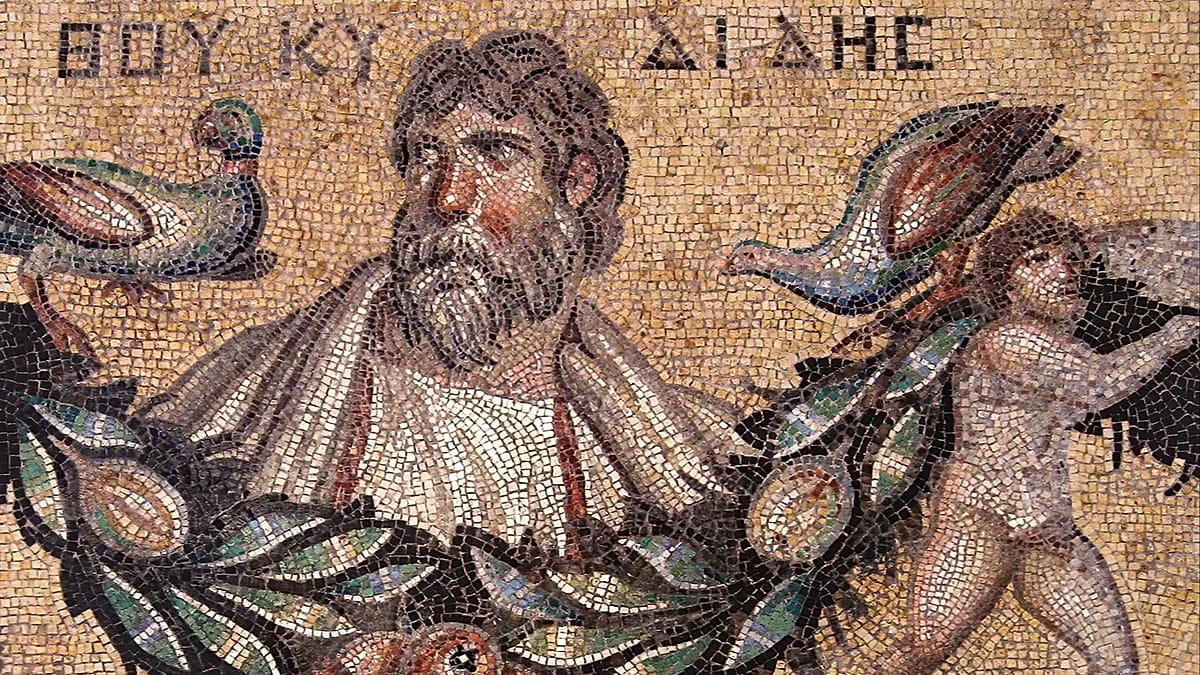
- Xi Jinping invoked Thucydides Trap warning Trump during Beijing summit
- Chinese leader said Taiwan missteps could spark war with U.S.
- Meeting focused on rising tensions and risk of military conflict
Chinese President Xi Jinping opened a high-stakes summit with former U.S. President Donald Trump in Beijing by invoking an ancient theory on how nations slide into war. Xi referenced the “Thucydides Trap,” a concept from the Peloponnesian War that describes how a rising power and an established power often stumble into conflict despite neither wanting it. His warning underscored deepening fears in Beijing that U.S. policy toward Taiwan could escalate tensions toward military confrontation.
The term originates from the historian Thucydides, who analyzed how Sparta’s fear of Athens’ growing strength led to the devastating Peloponnesian War. In modern geopolitics, the trap refers to the risk that China and the U.S. could enter conflict not through deliberate choice, but through miscalculation, escalation, or unmet expectations. Analysts say such warnings are rare in high-level diplomacy and signal Beijing’s growing anxiety over U.S. support for Taipei and arms sales to the island.
During the two-day meeting at the end of April 2024, Xi told Trump that while both countries benefit from stable relations, mismanagement of the Taiwan issue could push them toward confrontation. U.S. officials have increasingly emphasized the importance of maintaining peace across the Taiwan Strait, but Beijing views any perceived interference as a direct challenge to its sovereignty. Trump, who did not publicly respond to the reference, has previously stated he seeks a balanced but firm approach with China.
The summit came amid rising military activity around Taiwan, including increased Chinese naval patrols and U.S. Navy transits through the Taiwan Strait. Observers note that the invocation of the Thucydides Trap reflects Beijing’s strategic messaging: it frames U.S. actions not as defensive support for democracy, but as provocations that could trigger unintended escalation. The warning also serves as a reminder to Washington that China sees Taiwan not as a bargaining chip, but as a core issue of national unity.
Experts warn that the Taiwan issue remains one of the most volatile flashpoints in U.S.-China relations, with both sides entangled in a cycle of deterrence and signaling. While neither country wants open war, the risk of miscalculation—especially over ambiguous policies or accidental military encounters—could push events beyond control. The summit did not yield new agreements, but Xi’s use of the Thucydides Trap highlighted Beijing’s strategic framing of the U.S.-China relationship as a test of historical responsibility.
Looking ahead, analysts expect both sides to continue managing tensions through dialogue, military-to-military channels, and cautious diplomacy. However, the absence of a clear crisis mechanism increases the risk that a single incident—such as a naval standoff or an accidental incursion—could force both leaders into a corner. The next U.S.-China leader-level engagement will be closely watched as a signal of whether the two powers can avoid the very trap Xi invoked.
What You Need to Know
- Source: Euronews
- Published: May 15, 2026 at 14:44 UTC
- Category: World
- Topics: #euronews · #europe · #world-news · #war · #conflict · #trap
Read the Full Story
This is a curated summary. For the complete article, original data, quotes and full analysis:
All reporting rights belong to the respective author(s) at Euronews. GlobalBR News summarizes publicly available content to help readers discover the most relevant global news.
Curated by GlobalBR News · May 15, 2026
Related Articles
- US proposes 40% cut in Colorado River water for 3 states amid drought
- US-Nigeria joint strike kills ISIS leader in West Africa: Report
- UK insurers charge more or refuse cover for Chinese EVs like Jaecoo
🇧🇷 Resumo em Português
Em um encontro histórico entre os presidentes Xi Jinping e Donald Trump em Pequim, a tensão sobre Taiwan atingiu um novo patamar ao ser mencionada a “Trampa de Tucídides” — uma metáfora perigosa que alerta para o risco de uma guerra inevitável quando uma potência emergente desafia a hegemonia de uma estabelecida. Xi não apenas reafirmou a posição chinesa sobre a ilha, considerada “linha vermelha” por Pequim, como também lançou um sinal de alerta: qualquer desvio na política de “uma só China” poderia desencadear um conflito de proporções globais.
O termo, cunhado pelo cientista político Graham Allison em 2017, refere-se ao embate histórico entre Atenas e Esparta na Grécia Antiga, onde o medo da ascensão de uma nova potência levou à guerra. Para o Brasil e os falantes de língua portuguesa, o alerta soa como um eco distante, mas preocupante: a China, segunda maior economia do mundo, vê Taiwan como parte inalienável de seu território, enquanto os EUA, sob Trump, já sinalizaram apoio crescente à ilha. Em um cenário de rivalidade crescente entre Washington e Pequim, a América Latina — tradicionalmente alinhada ao Ocidente, mas cada vez mais dependente do mercado chinês — precisa avaliar como esse jogo de poder pode impactar suas relações comerciais e diplomáticas.
O próximo passo deve ser observado de perto: caso a tensão escalar, o Brasil e outros países lusófonos podem se ver pressionados a tomar partido em um conflito que, embora distante geograficamente, tem potencial para redefinir as regras do comércio e da segurança internacionais.
🇪🇸 Resumen en Español
El presidente chino, Xi Jinping, recurrió al concepto de la “trampa de Tucídides” durante su reunión con Donald Trump en Pekín, advirtiendo que un manejo inadecuado de la cuestión taiwanesa podría desatar un conflicto bélico. La alusión histórica, que describe la tensión inevitable entre una potencia emergente y otra en declive, subraya el riesgo de que las tensiones actuales escalen hasta un enfrentamiento directo.
Este término, acuñado para explicar el choque entre Atenas y Esparta en la antigüedad, adquiere hoy un peso geopolítico crucial, especialmente para los hispanohablantes, dado que España es un actor clave en la UE y la OTAN. La advertencia de Xi refleja la creciente preocupación por Taiwán, visto como un posible detonante de una guerra global, y plantea dilemas sobre cómo equilibrar la diplomacia con la defensa de intereses estratégicos en un mundo cada vez más polarizado.
Euronews
Read full article at Euronews →This post is a curated summary. All rights belong to the original author(s) and Euronews.
Was this article helpful?

Discussion