DARPA’s XRQ-73 hybrid-electric drone flew its first mission, proving quiet propulsion for future military aircraft.
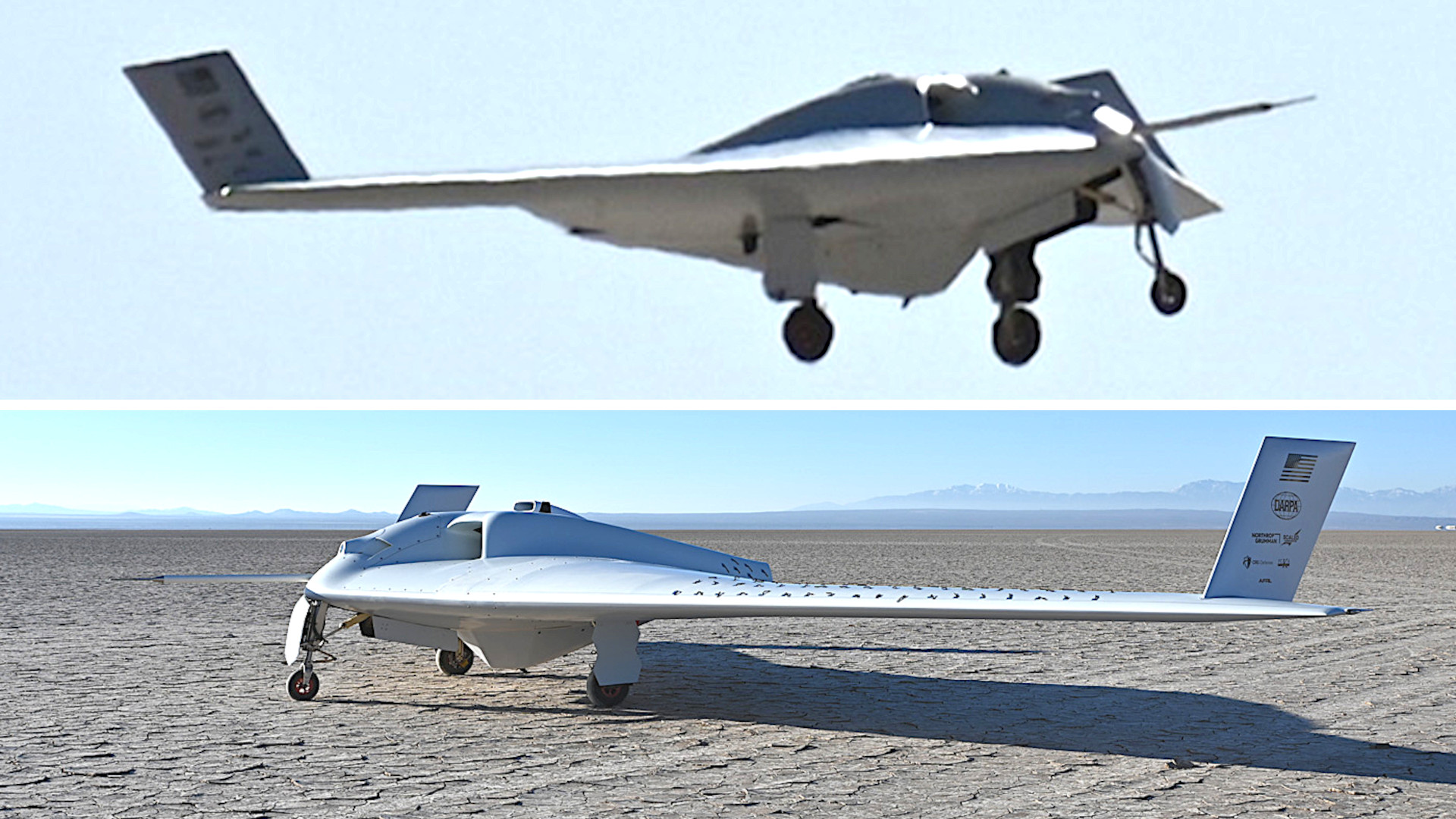
- DARPA confirms XRQ-73 drone’s first flight in April
- Hybrid-electric propulsion aims for high efficiency and low noise
- Northrop Grumman and AFRL collaborated on the test flight
The U.S. Defense Advanced Research Projects Agency (DARPA) announced on Monday that its experimental XRQ-73 hybrid-electric flying wing drone completed its first flight test earlier this month. The uncrewed aircraft, developed under the Series Hybrid Electric Propulsion AiRcraft Demonstration (SHEPARD) program, lifted off from Edwards Air Force Base in California on April 2. The test flight marks a critical step in validating propulsion technology designed for high efficiency and minimal acoustic signature, which could enable new operational capabilities for military and intelligence missions.
The XRQ-73, built by Northrop Grumman’s Scaled Composites subsidiary, represents a collaboration between DARPA, the Air Force Research Laboratory (AFRL), and industry partners. The flying wing design, which first emerged in prototype form earlier this year, has undergone visible refinements since its initial unveiling. Two wide-angle images released by DARPA show the drone in flight, capturing its sleek, stealth-oriented silhouette against the California sky.
Hybrid-electric propulsion aims for silent, efficient operations
A primary objective of the SHEPARD program is to demonstrate propulsion systems that reduce fuel consumption while minimizing noise output. Traditional gas-turbine engines in drones often produce detectable acoustic signatures, limiting their use in sensitive or covert operations. The XRQ-73’s hybrid-electric system combines battery power with a conventional engine, optimizing energy use and reducing emissions. DARPA has not disclosed specific performance metrics from the test flight, but the agency emphasized the technology’s potential to extend range and loiter time for reconnaissance and strike missions.
The program’s team includes engineers from Northrop Grumman, AFRL’s Power and Propulsion Directorate, and other defense contractors. The hybrid-electric approach aligns with broader Pentagon efforts to modernize aircraft fleets with more sustainable and adaptable platforms. Analysts suggest such technology could eventually be scaled for larger unmanned systems or even crewed aircraft, though no such applications have been formally announced.
Next steps include data analysis and further flight tests
DARPA confirmed the flight’s success in a press release, but additional details—such as duration, altitude, or payload capacity—remain undisclosed. The agency stated that further tests will focus on refining propulsion integration and assessing operational constraints. The SHEPARD program, initiated in 2023, has a stated goal of maturing hybrid-electric technology for future military applications, though timelines for deployment have not been specified.
The XRQ-73’s development reflects growing military interest in electric and hybrid propulsion as alternatives to conventional jet engines. While commercial aviation has led advancements in hybrid-electric aircraft, defense applications prioritize stealth, endurance, and reduced maintenance over passenger comfort. If successful, the technology could complement existing platforms like the RQ-11 Raven or MQ-9 Reaper, offering quieter, more fuel-efficient options for surveillance and strike roles.
Longer term, hybrid-electric drones may enable new mission profiles, such as persistent low-altitude surveillance or covert cargo delivery, where noise and thermal signatures are critical factors. However, challenges remain, including battery energy density, power management, and regulatory approval for military airspace integration. The XRQ-73’s test flight is a promising early step, but broader adoption will depend on sustained performance and scalability.
What You Need to Know
- Source: The Drive
- Published: May 06, 2026 at 18:38 UTC
- Category: War
- Topics: #military · #weapons · #conflict · #war · #hybrid · #electric-flying-wing
Read the Full Story
This is a curated summary. For the complete article, original data, quotes and full analysis:
All reporting rights belong to the respective author(s) at The Drive. GlobalBR News summarizes publicly available content to help readers discover the most relevant global news.
Curated by GlobalBR News · May 06, 2026
Related Articles
- Wembanyama’s Spurs reach Western finals, Pistons stay alive in NBA playoffs
- 🎉 250 Articles in War!
- 🎉 100 Articles in War!
🇧🇷 Resumo em Português
O primeiro voo de um caça não tripulado revolucionário, movido a propulsão híbrida-elétrica, marcou um passo histórico na aviação militar mundial. O XRQ-73, desenvolvido pela DARPA em parceria com a Northrop Grumman, decolou pela primeira vez em abril, demonstrando tecnologia silenciosa e eficiente que pode redefinir missões de inteligência e combate no futuro próximo.
O protótipo, apelidado de “Silent Arrow” por sua assinatura acústica reduzida, representa um avanço estratégico para forças armadas que buscam drones mais discretos e com maior autonomia. Para o Brasil, que investe cada vez mais em modernização de sua defesa e na integração de sistemas não tripulados, a tecnologia desenvolvida pela DARPA pode inspirar novas parcerias ou adaptações para equipar a Força Aérea ou a Marinha em operações de vigilância na Amazônia ou no Atlântico Sul. Além disso, a propulsão híbrida-elétrica alinha-se com tendências globais de redução de emissões, um tema crescente mesmo em setores de defesa.
Agora, os próximos testes irão avaliar seu desempenho em missões reais, enquanto governos e fabricantes internacionais observam de perto — um sinal de que o futuro dos drones de guerra já está em pleno voo.
🇪🇸 Resumen en Español
La innovadora aeronave no tripulada XRQ-73 de DARPA, impulsada por un sistema híbrido-eléctrico, marcó un hito al realizar su primer vuelo de prueba el pasado abril, demostrando el potencial de la tecnología de propulsión silenciosa desarrollada por Northrop Grumman para revolucionar el futuro de la aviación militar.
Este avance se enmarca en la apuesta global por drones más eficientes y discretos, clave en conflictos modernos donde la reducción de ruido y la mejora logística son esenciales. Para el público hispanohablante, especialmente en contextos de defensa y tecnología aeroespacial donde España y Latinoamérica buscan modernizar sus flotas, la XRQ-73 abre nuevas vías de cooperación industrial y estratégica con EE.UU., aunque también plantea desafíos en soberanía tecnológica y adaptación a estándares internacionales.
The Drive
Read full article at The Drive →This post is a curated summary. All rights belong to the original author(s) and The Drive.
Was this article helpful?



Discussion