Long Island Rail Road suspended service Saturday after unions representing half its workforce went on strike.
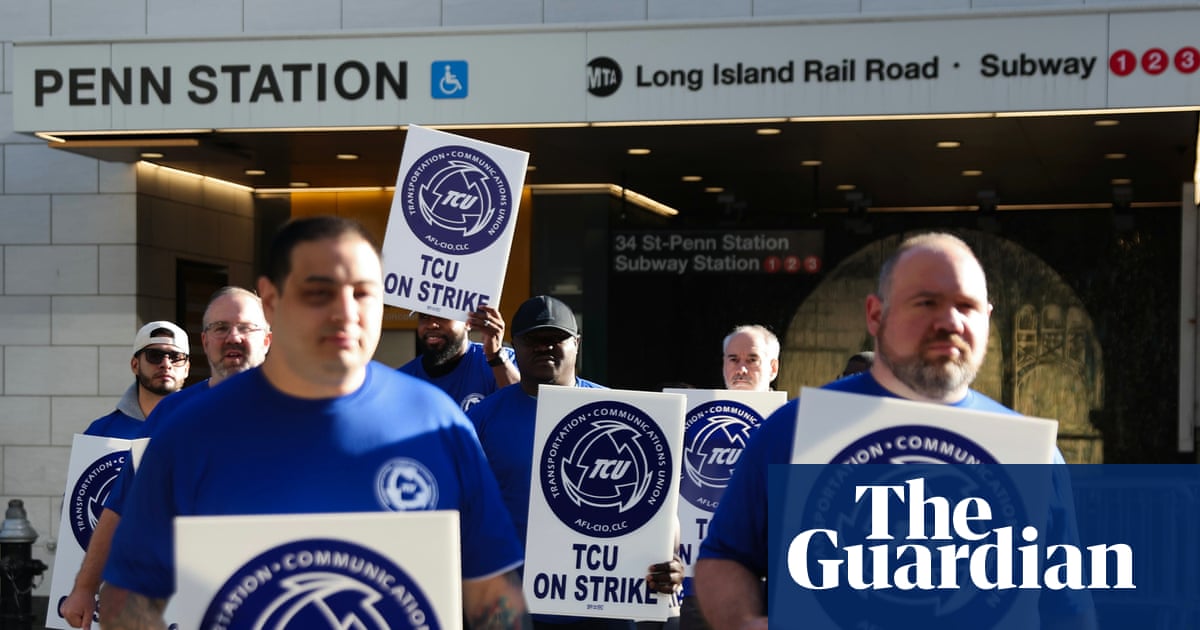
- Strike halts North America’s biggest commuter rail system
- Five unions representing half of LIRR workers walked off job
- Service shutdown strands commuters in New York’s eastern suburbs
The shutdown began early Saturday after five unions representing about 3,000 workers at the Long Island Rail Road (LIRR) initiated a strike. The action halted operations on the system serving New York City’s eastern suburbs, including Nassau and Suffolk counties, and parts of Queens. The Metropolitan Transportation Authority (MTA), which oversees the LIRR, confirmed the strike began at 12:01 a.m. and no trains would operate until further notice.
Commuters in the region scrambled to find alternative transportation after the announcement. The LIRR carries about 350,000 daily riders, making this one of the largest transit disruptions in the New York area in years. Local officials urged residents to avoid non-essential travel and seek remote work options if possible. The MTA activated contingency plans but warned of significant delays and disruptions in nearby transit systems, including the New York City Subway.
Unions demand better pay and working conditions
The unions involved include the Transport Workers Union Local 100, Brotherhood of Locomotive Engineers and Trainmen, International Association of Sheet Metal, Air, Rail and Transportation Workers (SMART), Transportation Communications Union, and American Train Dispatchers Association. They cited disputes over pay, benefits, and working conditions as reasons for the strike. Negotiations between the MTA and unions broke down late Friday, with both sides blaming the other for failing to reach a deal.
MTA officials stated they had offered a 17% wage increase over six years, while unions demanded a higher figure. The MTA also proposed changes to healthcare contributions and pension benefits, which unions rejected. The agency emphasized the financial strain the strike would place on the region’s economy, particularly for businesses dependent on commuter traffic.
Impact on daily life and regional transit
The strike disrupted thousands of daily commuters who rely on the LIRR to travel to jobs in Manhattan and other parts of New York City. Many residents turned to crowded highways or alternative transit options, including buses and ride-sharing services. The MTA warned that subway lines serving eastern Queens and Long Island could face overcrowding as displaced commuters sought other routes.
School districts in Nassau and Suffolk counties reported low attendance as parents struggled to arrange childcare without reliable transit. Small businesses, especially those near LIRR stations, anticipated losses due to reduced foot traffic. The New York State Department of Transportation advised residents to check for updates on alternate transit schedules.
Political and economic fallout
Governor Kathy Hochul called the strike “unacceptable” and urged both sides to return to negotiations immediately. New York City Mayor Eric Adams echoed the sentiment, emphasizing the need for a swift resolution to minimize economic damage. The strike comes at a time when the region is still recovering from the pandemic’s impact on public transit ridership and budgets.
Economists warned that the shutdown could cost the local economy millions per day in lost productivity and business revenue. The LIRR is a critical link for the region’s workforce, connecting suburban residents to major employment hubs. Analysts noted that prolonged disruptions could lead to long-term shifts in commuting patterns, with some workers reconsidering job locations or remote work arrangements.
The MTA stated it would continue negotiations around the clock but gave no timeline for when service might resume. Commuters were advised to monitor official updates for the latest information on potential strike extensions or alternative transportation arrangements. The shutdown underscores the ongoing challenges of balancing worker demands with the financial sustainability of public transit systems in major metropolitan areas.
What You Need to Know
- Source: The Guardian
- Published: May 16, 2026 at 12:41 UTC
- Category: World
- Topics: #guardian · #world-news · #international · #workers · #long-island-rail · #road
Read the Full Story
This is a curated summary. For the complete article, original data, quotes and full analysis:
All reporting rights belong to the respective author(s) at The Guardian. GlobalBR News summarizes publicly available content to help readers discover the most relevant global news.
Curated by GlobalBR News · May 16, 2026
Related Articles
- Zimbabwe’s diaspora reshapes real estate and farming investment trends
- Eurovision 2024 faces scrutiny over Israel’s participation amid war
- War in the Middle East: Israel targets top Hamas leader in Gaza
🇧🇷 Resumo em Português
O maior sistema de transporte ferroviário suburbano da América do Norte parou completamente no último sábado após sindicatos que representam metade de sua força de trabalho entrarem em greve, mergulhando Nova York em um caos logístico sem precedentes. A interrupção afeta mais de 300 mil passageiros diários que dependem do Long Island Rail Road (LIRR), um dos principais elos entre a ilha de Long Island e o centro financeiro de Manhattan, expondo a fragilidade de uma infraestrutura crítica em uma das cidades mais movimentadas do mundo.
A greve, que paralisou o sistema pela primeira vez em sua história de mais de 100 anos, revela não apenas disputas trabalhistas por melhores salários e condições, mas também levanta questionamentos sobre a resiliência de grandes metrópoles diante de crises de mobilidade. Para o Brasil, onde sistemas de transporte público enfrentam constantes desafios de eficiência e investimento, o episódio serve como um alerta sobre os riscos de negligenciar a manutenção de redes essenciais. Além disso, a dependência de milhões de trabalhadores dos trens suburbanos em Nova York — similar à realidade de cidades como São Paulo ou Rio de Janeiro — destaca como greves prolongadas podem desestabilizar economias locais e globais.
Se não houver um acordo rápido entre as partes, a população de Nova York pode enfrentar semanas de transtornos, enquanto o Brasil observa com atenção os desdobramentos desse tipo de conflito.
🇪🇸 Resumen en Español
El mayor sistema de transporte ferroviario de cercanías de América del Norte se detuvo abruptamente este sábado tras una huelga de los sindicatos que representan a la mitad de su plantilla, dejando a miles de viajeros en Nueva York sin una de sus principales opciones de movilidad urbana. La paralización afecta diariamente a más de 300.000 pasajeros que dependen de la Long Island Rail Road, una red esencial para conectar los distritos exteriores con el centro de la ciudad.
La huelga, que surge tras el fracaso en las negociaciones salariales y de condiciones laborales, expone la vulnerabilidad de un sistema ya tensionado por la alta demanda postpandemia y la creciente presión por modernizar infraestructuras obsoletas. Para los hispanohablantes, muchos de ellos trabajadores esenciales que residen en barrios periféricos como Queens o Brooklyn, la situación agrava aún más las dificultades de acceso a empleos en Manhattan, donde se concentra la mayor oferta laboral. Además, refleja un patrón recurrente en Estados Unidos, donde los conflictos laborales en sectores clave —especialmente en transportes— suelen tener repercusiones inmediatas en la vida cotidiana, recordando la necesidad de políticas que equilibren los derechos de los trabajadores con la estabilidad de servicios públicos imprescindibles.
The Guardian
Read full article at The Guardian →This post is a curated summary. All rights belong to the original author(s) and The Guardian.
Was this article helpful?


Discussion