Solar wind may spark northern lights visible in northern U.S. states Friday night and weekend.
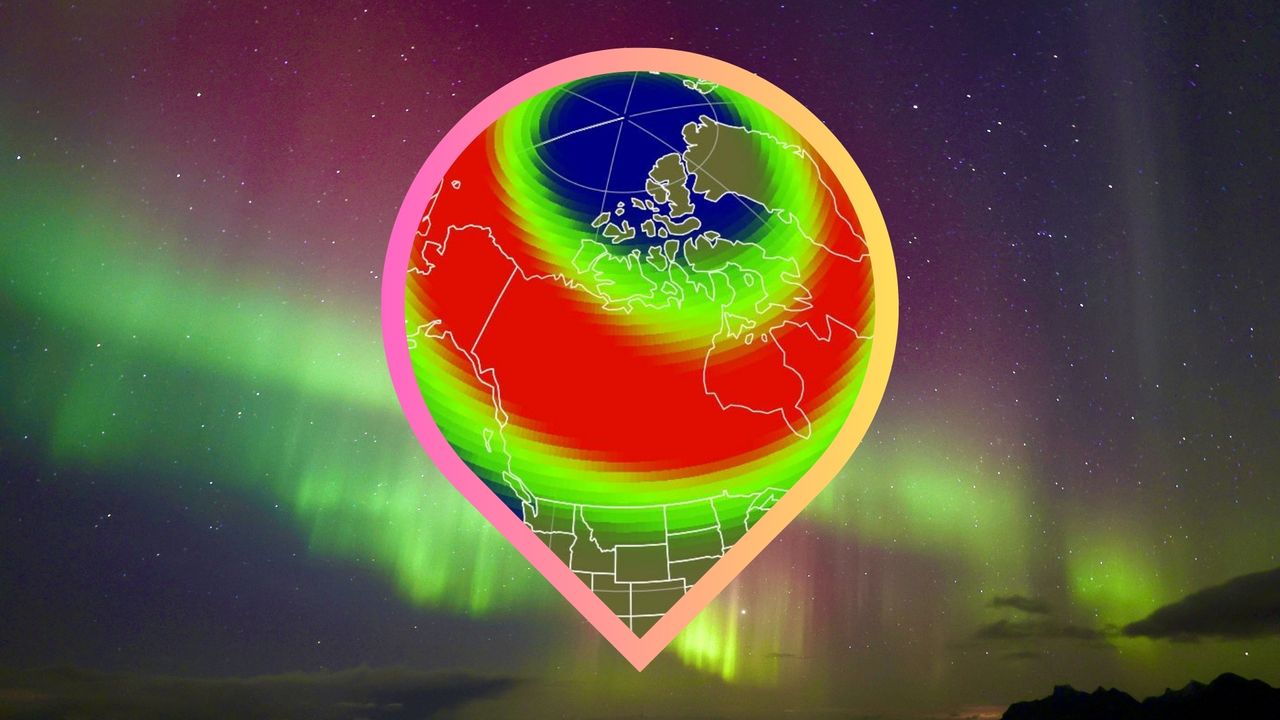
- NOAA predicts G1 geomagnetic storm conditions overnight
- Northern lights may appear in Michigan, Maine and other northern states
- Solar wind stream triggers aurora chance through the weekend
A fast-moving stream of solar wind is expected to trigger G1 geomagnetic storm conditions overnight, boosting the odds of seeing the northern lights across parts of the northern United States starting Friday night and continuing through the weekend. The NOAA’s Space Weather Prediction Center issued a storm watch Thursday, warning that the solar wind could disturb Earth’s magnetic field enough to make auroras visible farther south than usual.
The storm is classified as G1, the mildest level on the NOAA geomagnetic storm scale, which ranges from G1 to G5. At G1, power grids may experience minor fluctuations, and satellites could face minor impacts, but the primary concern is the potential for auroras to be visible at lower latitudes. The Space Weather Prediction Center said the storm is expected to arrive late Friday and persist through Sunday.
Northern lights forecast: Where to look
The northern lights, or aurora borealis, are typically visible near the Arctic Circle, but strong geomagnetic storms can push the auroral oval southward. This weekend, skywatchers in northern Michigan, Maine, Minnesota, Wisconsin, North Dakota and parts of New York may get a chance to see the display. The best viewing times are usually between 10 p.m. and 2 a.m. local time, away from city lights. Clear skies are essential, so check local weather forecasts.
Auroras are caused by charged particles from the sun colliding with Earth’s magnetic field. When these particles interact with gases in the atmosphere, they produce colorful lights in green, pink, purple and red. The intensity and color of the auroras depend on the strength of the storm and the altitude where the particles collide.
NOAA’s role in space weather forecasting
The NOAA Space Weather Prediction Center monitors solar activity and issues alerts when geomagnetic storms are likely. The center uses data from satellites like the Deep Space Climate Observatory to predict solar wind speeds and storm impacts. These forecasts help power companies, airlines and satellite operators prepare for potential disruptions.
While G1 storms are minor, they can still produce stunning auroras for those in the right locations. The Space Weather Prediction Center advises skywatchers to check updated forecasts as the storm approaches, as conditions can change quickly. The aurora forecast is updated every 30 minutes on the center’s website.
The storm’s arrival coincides with a period of heightened solar activity, as the sun approaches the peak of its 11-year solar cycle. Solar maximum, expected in 2024 or 2025, typically brings more frequent and intense solar flares and coronal mass ejections, which can fuel stronger geomagnetic storms. This weekend’s event offers a preview of what could become more common in the coming months.
For those hoping to catch a glimpse, the best strategy is to head to a dark location with an unobstructed view of the northern horizon. Cameras with long exposure settings can capture the auroras even if they’re faint to the naked eye. Check local aurora forecasts and social media groups for real-time updates from other skywatchers.
What You Need to Know
- Source: Space.com
- Published: May 14, 2026 at 16:08 UTC
- Category: Science
- Topics: #space · #astronomy · #nasa · #geomagnetic · #michigan · #maine
Read the Full Story
This is a curated summary. For the complete article, original data, quotes and full analysis:
All reporting rights belong to the respective author(s) at Space.com. GlobalBR News summarizes publicly available content to help readers discover the most relevant global news.
Curated by GlobalBR News · May 14, 2026
Related Articles
- 5 Ways to Vet Social Media Health Advice Before Trying It
- Your Body Clock May Enhance The Benefits of Exercise, Study Finds
- Study finds yawns contagious before birth, even more than thought
🇧🇷 Resumo em Português
O céu noturno pode reservar um espetáculo raro para milhões de pessoas nos próximos dias: uma tempestade geomagnética deve iluminar com auroras boreais os céus do norte dos Estados Unidos, oferecendo um show de luzes que pode ser visível até mesmo em regiões mais ao sul do que o habitual. Especialistas alertam que o fenômeno, causado por ventos solares intensos, deve atingir seu pico entre sexta-feira e o fim de semana, proporcionando uma oportunidade única para observadores e fotógrafos.
No Brasil, embora as auroras não sejam comuns, a notícia reforça a importância do monitoramento solar e da compreensão dos fenômenos espaciais, especialmente em um momento em que a dependência de tecnologias sensíveis a tempestades geomagnéticas, como satélites e redes elétricas, só aumenta. Para os brasileiros, embora o espetáculo não seja visível, o evento serve como lembrete da conexão entre a atividade solar e os impactos na Terra, além de destacar o papel do país em colaborações internacionais de pesquisa espacial, como a participação em missões da NASA e da ESA.
A tempestade geomagnética deve se dissipar gradualmente nos próximos dias, mas o episódio reforça a necessidade de investimentos em ciência e tecnologia para prever e mitigar possíveis efeitos de eventos solares extremos no futuro.
🇪🇸 Resumen en Español
Una poderosa corriente de viento solar podría teñir de colores el cielo de media Europa este fin de semana, regalando un espectáculo de auroras boreales visibles incluso en latitudes insólitas. Los expertos del NOAA han advertido que, entre la noche del viernes y el domingo, el fenómeno geomagnético alcance niveles capaces de iluminar regiones que rara vez disfrutan de este fenómeno natural.
Aunque las auroras boreales suelen concentrarse en el círculo polar ártico, en esta ocasión la intensidad del evento —producido por una eyección de masa coronal— podría extender su alcance hacia zonas más meridionales, incluyendo partes de España, Francia o Italia. Este tipo de tormentas solares, que no representan peligro para la salud, sí ofrecen una oportunidad única para observar uno de los espectáculos más fascinantes de la naturaleza, además de servir como recordatorio de la influencia del Sol sobre nuestro planeta. Los aficionados a la astronomía ya preparan sus cámaras, aunque la visibilidad dependerá de la nubosidad y la contaminación lumínica en cada zona.
Space.com
Read full article at Space.com →This post is a curated summary. All rights belong to the original author(s) and Space.com.
Was this article helpful?


Discussion