UK blocks 11 far-right activists before Tommy Robinson rally amid political and religious condemnation.
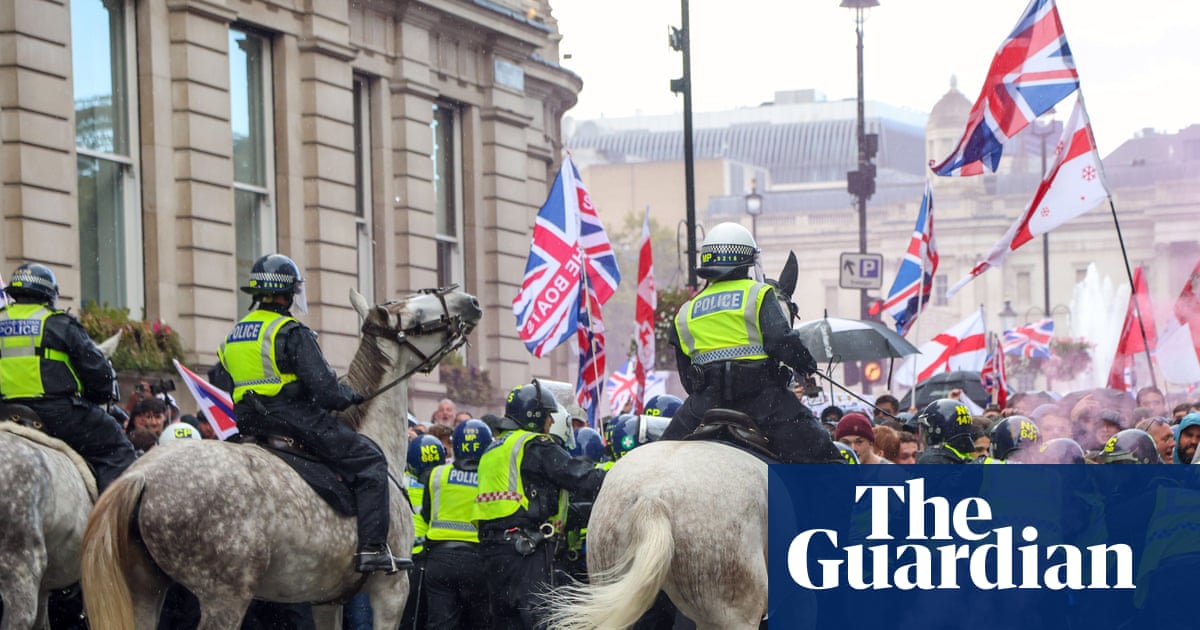
- UK government denies entry to 11 foreign far-right activists ahead of Tommy Robinson rally
- Keir Starmer accuses Robinson of spreading hatred and division in public statement
- Archbishop of Canterbury urges public to reject hate and embrace hope
Eleven foreign far-right activists were denied entry to the UK ahead of a protest rally organized by supporters of Tommy Robinson, the far-right activist and former leader of the English Defence League (EDL). The move follows warnings from Home Office officials about potential risks of public disorder and community tensions.
Labour Party leader Keir Starmer accused Robinson of promoting hatred and division in a public statement Friday. “Tommy Robinson has spent years peddling hatred and division,” Starmer said. “His rallies have no place in a tolerant society.” The opposition leader’s remarks underscore growing political pressure on the government to address far-right activity in the country.
The Archbishop of Canterbury, Justin Welby warned citizens to “choose hope” over division ahead of the protest. Welby, the symbolic leader of the Church of England, joined a coalition of faith leaders in condemning the rally, calling it a threat to social cohesion. “We must reject those who seek to divide us,” he said in a statement released Thursday.
Tommy Robinson’s Rally Draws Thousands in Past Event
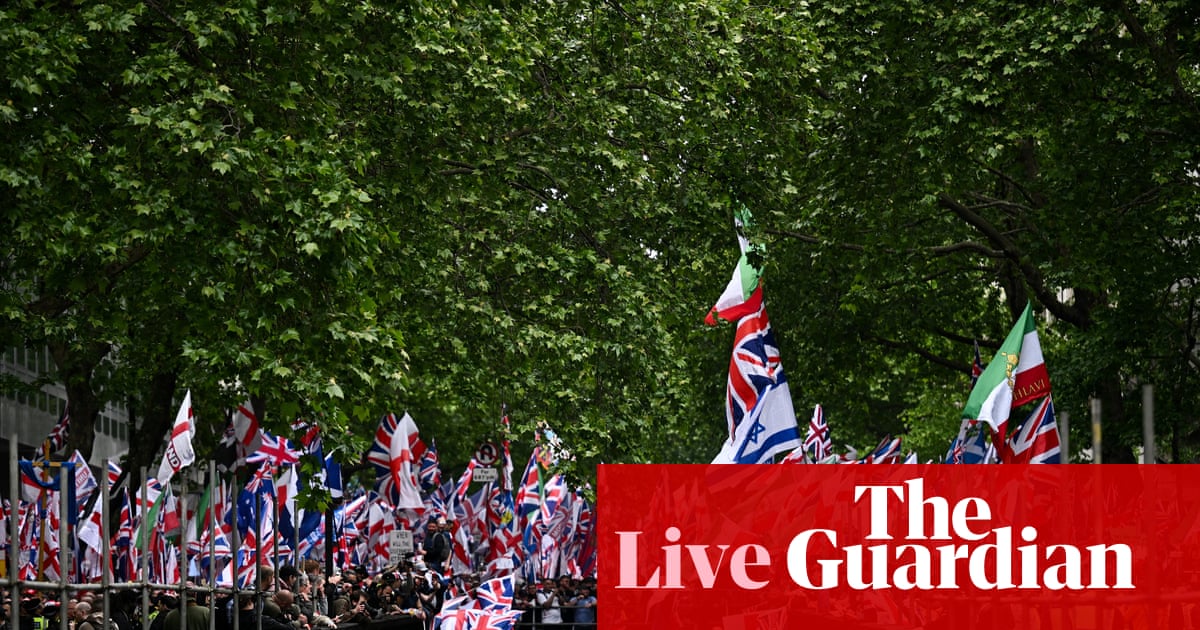
Robinson’s supporters are planning a second rally in London on Saturday, following an event last year that drew more than 100,000 attendees. Organizers have framed the demonstration as a protest against immigration and what they describe as “Islamic extremism.” Critics, however, view the event as a platform for far-right rhetoric and anti-Muslim sentiment.
Police forces across the UK have increased security measures ahead of the event, citing concerns over potential clashes between protesters and counter-demonstrators. Metropolitan Police confirmed additional officers would be deployed in central London, with a focus on key protest zones and transit hubs.
Starmer and Faith Leaders Call for Unity
Starmer’s criticism of Robinson reflects a broader political consensus that far-right activism poses a threat to national stability. The Labour leader has previously called for stricter enforcement of laws against hate speech and public disorder. Meanwhile, faith leaders from multiple denominations have urged communities to respond with peaceful unity.
The Home Office declined to comment on the specific reasons for barring the 11 activists but stated that immigration rules allow authorities to deny entry to individuals deemed a threat to public order. The decision comes amid heightened scrutiny of far-right groups following a series of protests and counter-protests across Europe in recent months.
What Happens Next
The rally is scheduled to begin at midday Saturday near Parliament Square. Organizers have applied for permission to march toward Whitehall, a route police are reviewing for safety and traffic impact. Meanwhile, anti-racism groups have announced counter-demonstrations in the same area, raising concerns of possible confrontations.
Authorities have warned the public to avoid the immediate vicinity and to report any suspicious behavior. The Home Office has reiterated its commitment to maintaining public safety while upholding freedom of assembly, a balance critics say is increasingly difficult amid rising political polarization.
What You Need to Know
- Source: The Guardian
- Published: May 15, 2026 at 17:58 UTC
- Category: Politics
- Topics: #guardian · #politics · #tommy-robinson · #keir-starmer · #robinson
Read the Full Story
This is a curated summary. For the complete article, original data, quotes and full analysis:
All reporting rights belong to the respective author(s) at The Guardian. GlobalBR News summarizes publicly available content to help readers discover the most relevant global news.
Curated by GlobalBR News · May 15, 2026
Related Articles
- Starmer’s leadership under pressure as Labour MPs question authority
- Thousands gather in London for far-right and pro-Palestine marches
- Tens of thousands descend on London for far-right and pro-Palestine marches – live
🇧🇷 Resumo em Português
O Reino Unido acionou seus instrumentos de segurança para barrar onze ativistas de extrema direita, impedindo que eles ingressem no país às vésperas de um novo comício organizado por Tommy Robinson, figura polêmica do movimento. A decisão, anunciada pelo governo britânico, visa conter a escalada de violência e discursos de ódio que vêm marcando os protestos liderados por Robinson, conhecido por sua retórica anti-imigração e críticas agressivas ao Islã.
O contexto da medida ganha contornos ainda mais significativos quando se considera o histórico recente de polarização política no Reino Unido, especialmente após a onda de manifestações que resultaram em confrontos violentos em várias cidades britânicas. Para o Brasil, a notícia ressoa como um alerta sobre os riscos da disseminação de ideologias extremistas em sociedades democráticas, além de levantar questões sobre a eficácia das políticas de controle migratório e segurança pública. A participação de líderes religiosos, como o arcebispo de Canterbury, e de figuras políticas, como o primeiro-ministro Keir Starmer, reforça a gravidade do cenário, sinalizando que o combate ao extremismo não é apenas uma questão de segurança, mas também de coesão social.
Com o comício de Robinson marcado para os próximos dias, o mundo acompanha se as autoridades britânicas conseguirão manter a ordem pública e evitar novos episódios de violência, enquanto a sociedade debate até que ponto a liberdade de expressão deve ser limitada em nome da segurança coletiva.
🇪🇸 Resumen en Español
El gobierno británico ha impedido la entrada a once activistas ultraderechistas extranjeros en vísperas de una nueva concentración convocada por Tommy Robinson, líder de extrema derecha. La decisión responde al temor a que la protesta, programada para este fin de semana, pueda derivar en altercados o tensiones sociales, especialmente tras los disturbios registrados en otras ciudades del país durante los últimos meses.
El veto se enmarca en una estrategia más amplia del Ejecutivo laborista para frenar el auge de la extrema derecha, criticada incluso por figuras como el arzobispo de Canterbury, quien tachó a los organizadores del evento de “incendiarios”. La medida refleja la creciente preocupación del gobierno de Keir Starmer por la seguridad pública en un contexto de polarización política, donde el discurso de odio y la movilización ultraderechista ganan terreno en Europa, lo que invita a reflexionar sobre los límites de la libertad de expresión y la protección de los valores democráticos.
The Guardian
Read full article at The Guardian →This post is a curated summary. All rights belong to the original author(s) and The Guardian.
Was this article helpful?

Discussion