UN and Asian leaders meet in Bukhara to explore how women’s rights, education and demographics can drive Asia’s future development.
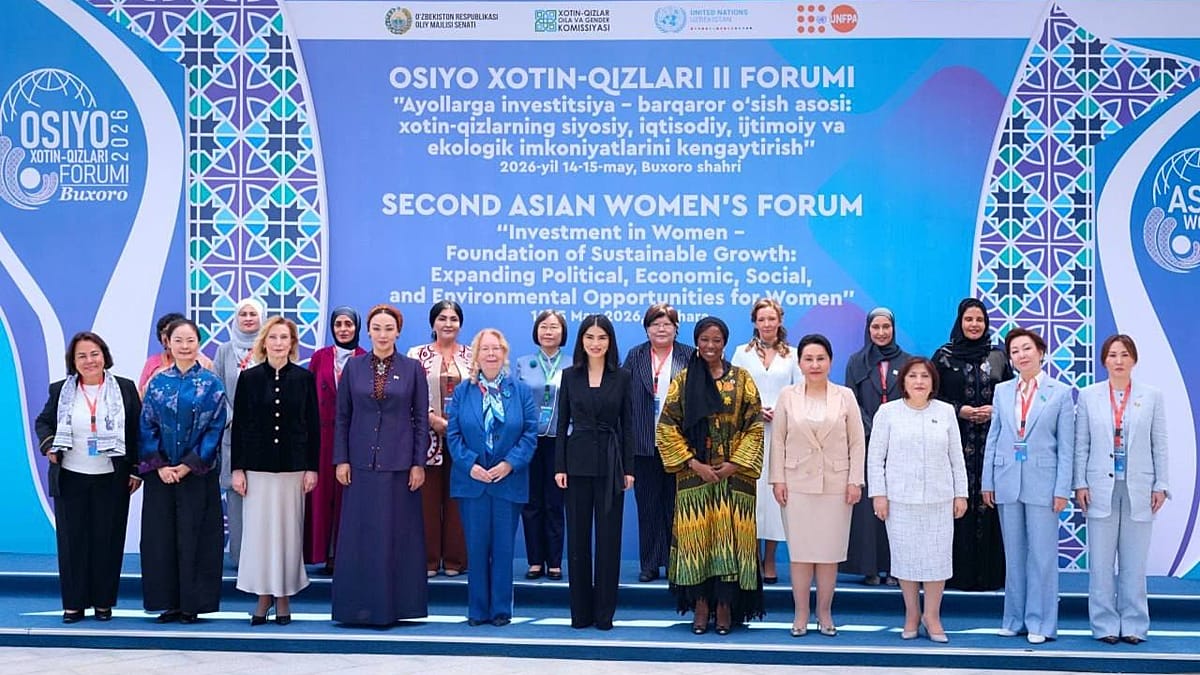
- UN officials and Asian leaders attend Bukhara forum on women’s rights and demographics
- Investing in women’s education and rights seen as key to regional development
- Demographic planning highlighted as critical for long-term growth in Asia
Regional leaders and UN officials gathered in Bukhara, Uzbekistan, for a high-level forum focused on women’s rights, education and demographic planning as tools for sustainable development across Asia. The two-day event, held May 15–16, 2024, brought together policymakers, economists and civil society representatives to address challenges and opportunities in population dynamics and gender equality.
Women’s rights and education take center stage
The forum placed particular emphasis on the role of women’s education and economic participation in driving regional progress. Speakers highlighted that narrowing gender gaps in education and employment could unlock significant economic potential, citing studies that link higher female workforce participation to GDP growth. United Nations Population Fund (UNFPA) regional director for Asia and the Pacific, Björn Andersson, underscored the importance of policy changes to remove barriers for women in education and the labor market.
UNFPA’s latest data shows that nearly 40% of women in Asia still lack access to full economic participation, with disparities widening in low-income countries. Andersson called for targeted investments in vocational training and digital literacy programs to help women enter high-growth sectors such as technology and green energy.
Demographic shifts shape development strategies
With Asia’s population aging and fertility rates declining in many countries, the forum examined how demographic planning could mitigate economic risks. Speakers warned that without proactive policies, shrinking workforces and rising dependency ratios could strain social systems and slow growth. Uzbekistan’s Minister of Investments and Foreign Trade, Svetlana Yarmolyuk, said her government is prioritizing policies that support both working families and elderly care to ease demographic pressures.
The discussion also focused on internal migration patterns, with rural-to-urban movement reshaping labor markets. Experts noted that while urbanization can boost productivity, it also requires coordinated planning to prevent overcrowding and infrastructure strain. The forum featured case studies from China, India and Indonesia, where governments are adapting policies to address both aging populations and youth unemployment.
Regional cooperation key to success
Participants stressed that cross-border collaboration will be essential to address shared demographic challenges. The forum proposed the creation of a regional knowledge-sharing platform to exchange best practices on policies related to women’s empowerment and demographic transition. Asian Development Bank (ADB) representative Ayumi Konishi emphasized the need for coordinated action, stating that no single country can solve these issues alone.
The ADB has pledged $2 billion over the next five years to support projects targeting gender equality and demographic resilience in Asia. Konishi added that these funds will focus on scaling up successful local initiatives, such as microfinance programs for women entrepreneurs and subsidies for childcare services.
What’s next for Asia’s development agenda?
The Bukhara forum concluded with a joint statement outlining a roadmap for integrating women’s rights and demographic planning into national development strategies. The statement calls for stronger data collection on gender and population trends, as well as the alignment of education systems with labor market needs. Governments were urged to adopt flexible immigration policies to attract skilled workers where gaps persist.
Looking ahead, the UN and regional partners plan to hold follow-up meetings in 2025 to assess progress. The outcomes of this forum could influence policy decisions in countries grappling with similar challenges, from Japan’s shrinking workforce to Bangladesh’s rapid urbanization and youth unemployment.
What You Need to Know
- Source: Euronews
- Published: May 15, 2026 at 12:58 UTC
- Category: World
- Topics: #euronews · #europe · #world-news · #women · #bukhara-regional · #bukhara
Read the Full Story
This is a curated summary. For the complete article, original data, quotes and full analysis:
All reporting rights belong to the respective author(s) at Euronews. GlobalBR News summarizes publicly available content to help readers discover the most relevant global news.
Curated by GlobalBR News · May 15, 2026
Related Articles
- US proposes 40% cut in Colorado River water for 3 states amid drought
- UK insurers charge more or refuse cover for Chinese EVs like Jaecoo
- Trump urges Taiwan to avoid independence amid rising China tensions
🇧🇷 Resumo em Português
Em meio ao crescente debate global sobre direitos das mulheres e equilíbrio demográfico, a Ásia se prepara para uma virada histórica com um fórum regional que promete redefinir o futuro da região. Na cidade uzbeque de Bukhara, autoridades, especialistas e ativistas se reúnem para discutir como políticas públicas em educação e igualdade de gênero podem ser a chave para um desenvolvimento sustentável e próspero nos próximos anos.
O evento, que reúne representantes de países como Cazaquistão, Quirguistão, Tajiquistão e Uzbequistão, chega em um momento crucial para o Brasil e toda a comunidade lusófona. Afinal, as discussões sobre direitos das mulheres e planejamento familiar não conhecem fronteiras: o que for debatido nessas mesas pode inspirar políticas públicas aqui, especialmente em um contexto de envelhecimento populacional e desafios sociais crescentes. Acesso à educação e autonomia feminina são temas que reverberam diretamente em nossas realidades, desde as periferias das grandes cidades até as zonas rurais mais distantes.
A expectativa é que os acordos e propostas saídos de Bukhara ganhem força nos próximos meses, com potencial para influenciar até mesmo agendas internacionais — e o Brasil, como membro ativo em fóruns globais, não deve ficar de fora dessa discussão.
🇪🇸 Resumen en Español
El foro regional celebrado en Bukhara ha puesto de relieve cómo el avance en los derechos de las mujeres, la educación y la planificación demográfica podrían ser clave para el futuro desarrollo de Asia.
En un contexto marcado por los desafíos demográficos y las desigualdades de género, el encuentro ha reunido a expertos y responsables políticos para debatir soluciones que impulsen el crecimiento sostenible. La relevancia de este debate trasciende fronteras, ya que el acceso a la educación femenina y el equilibrio poblacional no solo mejoran condiciones sociales, sino que también fomentan economías más estables y prósperas. Para los hispanohablantes, este diálogo subraya la importancia de políticas inclusivas que, aunque se discutan en Asia Central, pueden inspirar estrategias globales para construir sociedades más justas.
Euronews
Read full article at Euronews →This post is a curated summary. All rights belong to the original author(s) and Euronews.
Was this article helpful?


Discussion