Hospitality offers AI-proof jobs for Gen Z, with Omni Hotels hiring for attitude over experience.
- Gen Z prioritizes AI-resistant careers as they enter workforce in 2026
- Omni Hotels president says hospitality skills can be taught, attitude cannot
- Service-focused roles less vulnerable to AI automation
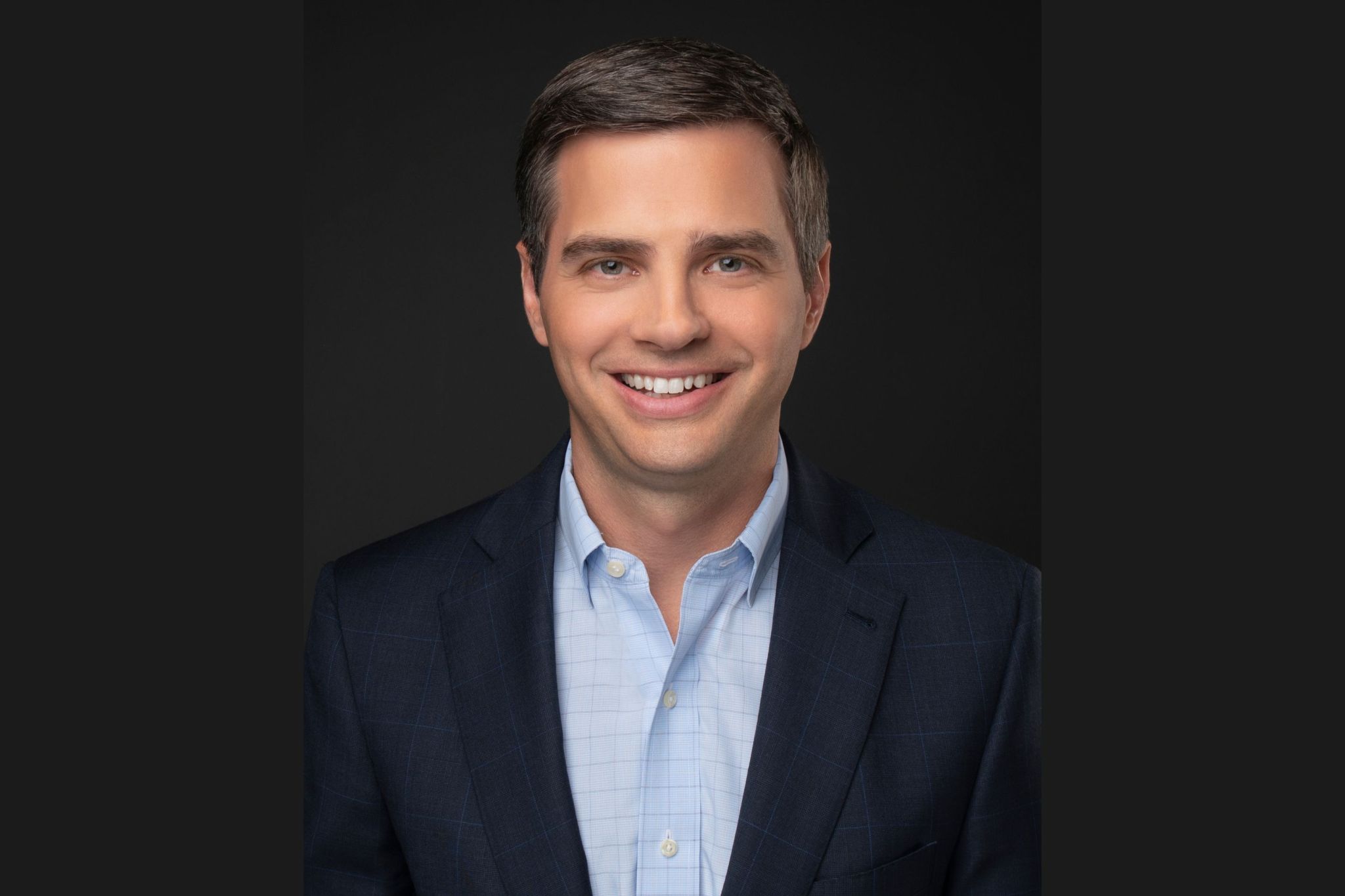
As forecasts suggest work may become optional in coming years, Gen Z is racing to secure careers that defy automation. The class of 2026 is pivoting toward industries where human connection remains irreplaceable—and hospitality stands out as a prime contender. Kurt Alexander, president of Omni Hotels & Resorts—which manages over 50 properties across North America—argues the sector offers clear advantages for young job seekers.
“Hospitality is a learnable business,” Alexander told Fortune. “But what you can’t teach is an attitude of service. That’s the core of what we do, and it’s not for everyone.” The hospitality industry requires frontline workers who can adapt, engage guests, and solve problems in real time—skills robots still struggle to replicate. For Gen Z concerned about AI displacement, roles in hotels, resorts, and tourism provide both stability and upward mobility.
Why hospitality resists automation
While AI transforms sectors like manufacturing and customer service, hospitality relies on human empathy and responsiveness. Alexander notes that automation excels at repetitive tasks but fails to deliver the personalized experiences guests demand. Housekeeping, concierge services, and event planning depend on intuition, cultural awareness, and emotional intelligence—qualities AI cannot easily replicate.
The industry also offers rapid career progression for those willing to learn. Omni Hotels, like many chains, promotes from within, providing training programs that turn entry-level employees into managers and executives. “We invest heavily in developing talent,” Alexander said. “Someone starting as a front desk agent today could become a general manager in five years.”
How to land a job in hospitality
Alexander emphasizes that job seekers should focus less on resume gaps and more on demonstrating a service-oriented mindset. Omni Hotels hires for traits like patience, adaptability, and a genuine desire to help others. Previous experience in hotels or restaurants is helpful but not required—what matters is the willingness to engage with guests and solve their problems.
The company’s 50-plus properties span major cities and resort destinations, offering diverse opportunities in food and beverage, event management, and guest relations. Alexander points to the rise of “experience economy” trends, where travelers prioritize memorable interactions over mere accommodation. “People don’t just want a place to sleep,” he said. “They want a story, a connection. That’s where humans excel.”
Gen Z shifts priorities in the job market
Recent surveys show Gen Z is prioritizing job security and personal fulfillment over traditional career ladders. The 2026 graduating class faces a job market where AI tools are reshaping hiring processes and job descriptions. Yet industries like hospitality, healthcare, and skilled trades remain less susceptible to disruption. Alexander sees this as an opportunity for young workers willing to embrace service roles.
Omni Hotels is actively recruiting across college campuses and career fairs, targeting students who may not have considered hospitality as a career path. The company offers internships, scholarships, and mentorship programs to build a pipeline of talent. “We’re not just filling jobs,” Alexander said. “We’re building careers.”
What happens next
As Gen Z enters the workforce, the hospitality industry stands ready to absorb eager newcomers. Companies like Omni Hotels are betting big on training and development, betting that human-centric service will remain in demand. For job seekers, the message is clear: attitude and adaptability matter more than ever. The future of work may be uncertain, but in hospitality, the opportunities are wide open for those willing to serve.
What You Need to Know
- Source: Fortune
- Published: May 16, 2026 at 10:11 UTC
- Category: Business
- Topics: #fortune · #business · #economy · #politics · #government · #elon-musk
Read the Full Story
This is a curated summary. For the complete article, original data, quotes and full analysis:
All reporting rights belong to the respective author(s) at Fortune. GlobalBR News summarizes publicly available content to help readers discover the most relevant global news.
Curated by GlobalBR News · May 16, 2026
Related Articles
- Lawyers sanctioned $110K for fake AI citations in landmark Oregon case
- Putin to meet Xi in Beijing May 19-20 after Trump visit
🇧🇷 Resumo em Português
A geração Z está em busca de empregos à prova de automação, e o setor de hospitalidade surge como uma opção promissora diante da incapacidade da inteligência artificial de replicar o toque humano essencial para o atendimento ao cliente. Em meio a essa tendência, o presidente da Omni Hotels, uma rede com 50 propriedades, defende que a atitude vale mais do que a experiência na hora de contratar novos talentos, destacando que habilidades como empatia e dedicação são insubstituíveis pela tecnologia.
No Brasil, onde o turismo representa cerca de 8% do PIB e emprega milhões de pessoas, a valorização do fator humano no setor hoteleiro ganha ainda mais relevância. A crise de mão de obra qualificada enfrentada por muitos empreendimentos reforça a tese de que profissões que exigem interação pessoal — como recepcionistas, garçons e gestores de serviços — têm futuro assegurado. Além disso, a retomada pós-pandemia acendeu um alerta para a necessidade de investimentos em treinamento e retenção de colaboradores, já que a hotelaria brasileira ainda luta para se reerguer diante de desafios como alta rotatividade e escassez de mão de obra especializada.
Para os jovens brasileiros que buscam estabilidade em um mercado cada vez mais automatizado, a hospitalidade pode ser a porta de entrada ideal — desde que eles estejam dispostos a desenvolver não apenas habilidades técnicas, mas também a capacidade de encantar clientes.
🇪🇸 Resumen en Español
La generación Z busca empleos a prueba de inteligencia artificial, y el sector hotelero emerge como un refugio inesperado en un mercado laboral cada vez más automatizado. Así lo asegura el presidente de Omni Hotels, una cadena con medio siglo de historia y más de 50 propiedades, quien defiende que en la hostelería el valor no está en la experiencia previa, sino en una actitud impecable.
Ante la creciente preocupación por la sustitución de puestos de trabajo por sistemas de IA, el sector servicios se posiciona como un nicho de estabilidad para los jóvenes, donde habilidades como la empatía, la adaptabilidad y el trato humano siguen siendo insustituibles. La estrategia de Omni Hotels, que prioriza la actitud sobre los currículos tradicionales, no solo redefine los criterios de contratación, sino que envía un mensaje claro: en un mundo donde la tecnología avanza a pasos agigantados, ciertas profesiones siguen ancladas en lo esencialmente humano. Para los hispanohablantes, este fenómeno no solo representa una oportunidad laboral, sino también un recordatorio de que, en la era digital, el talento más cotizado sigue siendo el que no puede programarse.
Fortune
Read full article at Fortune →This post is a curated summary. All rights belong to the original author(s) and Fortune.
Was this article helpful?


Discussion