US Air Force extends C-5 Galaxy service life to 2050 despite 37% readiness rate.
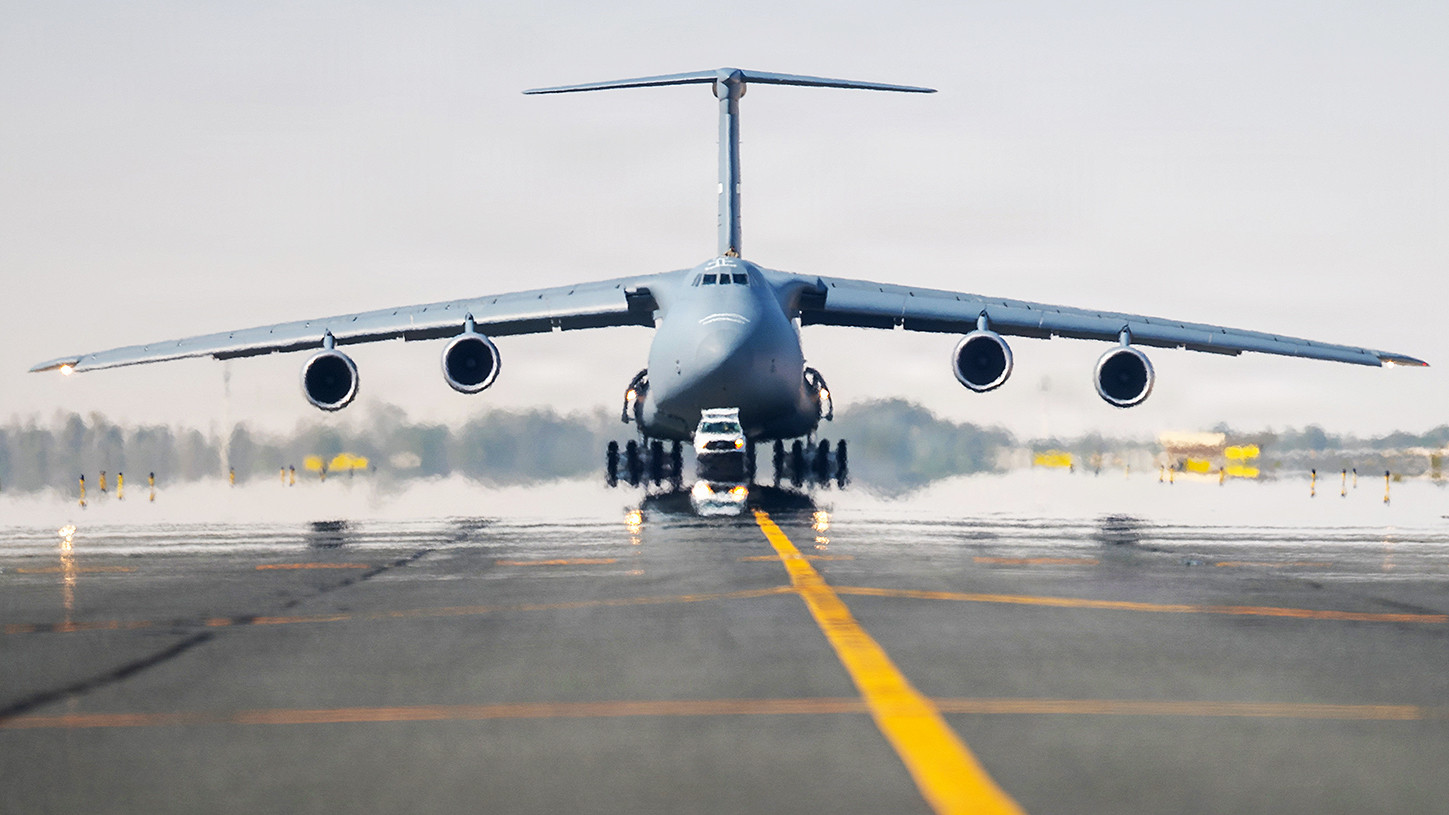
- Air Force delays C-5 Galaxy replacement until 2050
- Fleet readiness drops to 37% amid maintenance challenges
- Next-Generation Airlift program now slated for 2050
The U.S. Air Force has formally pushed back the retirement of its C-5M Galaxy strategic airlifters to Fiscal Year 2050, marking a five-year extension from previous plans. The decision, revealed in the 2027 budget request, reflects ongoing struggles with the fleet’s reliability despite decades of upgrades. The service currently operates 52 C-5M aircraft, a critical component of its global airlift capability.
The move delays the introduction of the Next-Generation Airlift (NGAL) platform, which will also replace the C-17A Globemaster III fleet. The Air Force now expects the C-17s to remain in service through 2075. Both fleets play a central role in transporting troops, equipment, and humanitarian aid worldwide. The extended timeline underscores persistent challenges in modernizing the Air Force’s airlift capacity.
C-5 Galaxies have long faced maintenance hurdles, with readiness rates plummeting to 37% in recent assessments. The aircraft, first introduced in the 1970s, underwent a modernization program in the 2000s to extend their service life. Despite these upgrades, the fleet remains prone to mechanical issues, supply shortages, and high operational costs. The Air Force acknowledges the strain, citing the need for continued investment in sustainment efforts.
C-5 Galaxy: A Workhorse with a Troubled Past
The C-5 Galaxy entered service in 1970 as the world’s largest military transport aircraft, designed to carry oversized cargo like tanks and helicopters. Over the years, it has been involved in major military operations, including the Iraq War and Afghanistan deployments. However, its reputation has been marred by chronic maintenance delays and reliability concerns. The Air Force’s Reliability and Maintainability Improvement Program, launched in the 1990s, aimed to address these issues, but readiness rates have remained stubbornly low.
The latest budget request highlights the Air Force’s struggle to balance modernization with operational demands. The C-5M, an upgraded variant with new engines and avionics, was supposed to extend the fleet’s lifespan until NGAL’s arrival. Now, the service faces a gap in strategic airlift capability as NGAL development lags behind schedule. Industry observers question whether the extended timeline will allow sufficient time for NGAL to mature before full deployment.
Next-Generation Airlift: A Long Road Ahead
The NGAL program remains in its early stages, with no clear timeline for full-rate production. The Air Force has not released detailed specifications, but the program is expected to deliver a more reliable and cost-effective replacement for both the C-5 and C-17 fleets. Meanwhile, the C-5s will continue flying missions globally, despite their age and maintenance challenges. The extended service life buys time but also increases long-term sustainment costs.
The delay raises questions about the Air Force’s broader airlift strategy. The C-17 fleet, often considered more reliable, will now operate until 2075, raising concerns about fleet overlap and modernization gaps. Analysts warn that without accelerated investment in NGAL, the Air Force could face a critical shortfall in strategic airlift capability in the coming decades. The service must also address the root causes of the C-5’s maintenance woes to prevent similar issues in future platforms.
The Air Force’s decision reflects the harsh reality of modernizing military fleets amid budget constraints and evolving threats. While the C-5 Galaxy has served the nation for over five decades, its extended service life underscores the challenges of replacing aging platforms. The NGAL program must deliver on its promise to provide a next-generation solution before the fleet’s reliability deteriorates further.
What You Need to Know
- Source: The Drive
- Published: May 11, 2026 at 16:53 UTC
- Category: War
- Topics: #military · #weapons · #conflict · #science · #biology · #genetics
Read the Full Story
This is a curated summary. For the complete article, original data, quotes and full analysis:
All reporting rights belong to the respective author(s) at The Drive. GlobalBR News summarizes publicly available content to help readers discover the most relevant global news.
Curated by GlobalBR News · May 11, 2026
Related Articles
🇧🇷 Resumo em Português
O coração logístico da Força Aérea dos Estados Unidos, os icônicos aviões de carga C-5 Galaxy, ganharam uma sobrevida até 2050, mas a um custo preocupante: sua prontidão operacional despencou para míseros 37%, expondo fragilidades em um dos vetores mais estratégicos do Pentágono. A decisão, anunciada após anos de adiamentos de aposentadoria, reflete não apenas uma batalha contra a obsolescência, mas uma crise silenciosa de manutenção que põe em xeque a capacidade dos EUA de projetar poder global em um cenário de crescente instabilidade.
O contexto é especialmente relevante para o Brasil, que, embora não opere o C-5, depende fortemente de sistemas similares para suas missões de transporte estratégico e ajuda humanitária – como demonstram as recorrentes operações com os cargueiros KC-390 e a manutenção do KC-130 Hércules. A prontidão da aviação militar estadunidense serve como termômetro global: se a maior potência do mundo enfrenta gargalos em sua frota de transporte pesado, nações como o Brasil, com orçamentos apertados e indústria aeroespacial ainda em desenvolvimento, precisam redobrar os esforços para evitar cenários críticos. Especialistas alertam que a dependência de soluções temporárias, como o retrofit de células antigas, pode criar um efeito dominó de atrasos em missões essenciais.
A longo prazo, a extensão da vida útil dos C-5 até 2050 pode ser apenas o primeiro passo de uma reformulação mais ampla, com possíveis reflexos no mercado de manutenção aeronáutica e na geopolítica de defesa.
🇪🇸 Resumen en Español
La Fuerza Aérea de EE.UU. ha decidido prolongar la vida operativa de sus legendarios C-5 Galaxy hasta 2050, una decisión forzada por la alarmante caída de su disponibilidad, que ha caído al 37%.
El C-5, uno de los aviones de carga más grandes del mundo, es clave para el transporte estratégico de tropas y equipos pesados, pero su envejecimiento y los retrasos en mantenimiento han erosionado su fiabilidad. Esta medida refleja la urgente necesidad de modernizar la flota, aunque plantea dudas sobre la capacidad industrial para sostenerla. Para los lectores hispanohablantes, especialmente en América Latina, la noticia subraya los riesgos de depender de sistemas de defensa envejecidos y la importancia de invertir en tecnología militar para evitar brechas operativas.
The Drive
Read full article at The Drive →This post is a curated summary. All rights belong to the original author(s) and The Drive.
Was this article helpful?


Discussion