Gullah Geechee islanders in Georgia block zoning change with historic referendum, preserving land and culture.
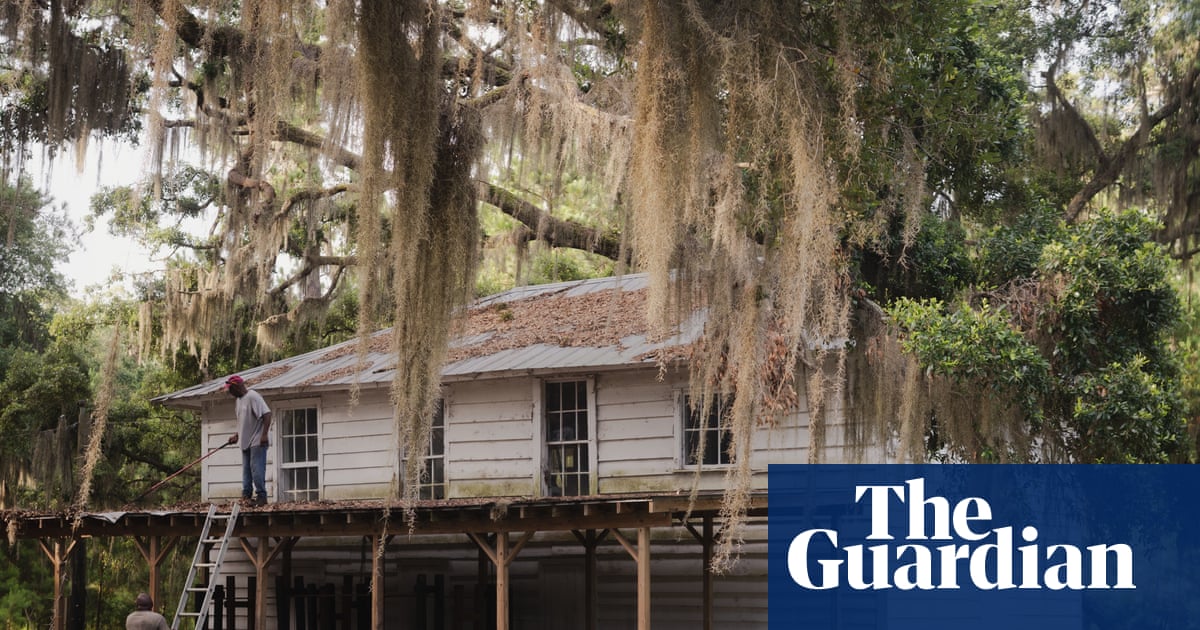
- Georgia islanders block zoning change using rare referendum
- Gullah Geechee residents preserve land from developers
- Sapelo Island voters reject amendment in historic vote
Ire Gene Grovner stood behind his home on Sapelo Island, a slice of coastal Georgia where Gullah Geechee descendants have lived for nearly 200 years. With a knife in hand and a raccoon splayed across a post, he spoke plainly about survival. “If you ain’t lazy, you can live good here,” Grovner said, gesturing to rows of collard greens and a flock of chickens. “The meat is good roasted.”
The island’s 70 or so remaining Gullah Geechee residents just won a major fight to keep that life intact. On Tuesday, they used a citizen referendum—the second such vote in Georgia history—to block a zoning amendment that would have eased restrictions on development. The measure failed with 53% of voters opposing it, preserving the island’s rural character and protecting its cultural heritage from commercial pressure.
A rare tool in Georgia
Georgia allows citizen referendums only under strict conditions, and this was only the second time in state history that voters used the process to challenge a local zoning decision. The first was in 2018, when residents of Sandy Springs, a suburb of Atlanta, successfully overturned a rezoning proposal. Sapelo Island’s referendum drew attention for its significance to the Gullah Geechee people, an African American cultural group with deep roots in the coastal Southeast.
The Gullah Geechee culture traces its origins to enslaved Africans forced to work on rice and indigo plantations in the 1700s. Many settled on barrier islands like Sapelo, preserving their language, food, and traditions. Today, fewer than 5,000 Gullah Geechee people remain in the region, and Sapelo Island is one of their last strongholds.
Developers eyed Sapelo’s land
The zoning amendment under fire would have allowed more commercial development on Sapelo, including hotels, resorts, and large-scale housing. Residents feared it would accelerate tourism, raise property values, and push out long-time families who rely on farming, fishing, and small-scale land use. “This isn’t about progress,” said Malinda Jackson, a Gullah Geechee elder and community organizer. “It’s about survival. We’ve been here since the time of slavery. We’re not going nowhere.”
Jackson and others spent months organizing door-to-door campaigns, hosting community meetings, and educating voters about the risks. The referendum drew national attention, with civil rights groups and cultural preservation organizations supporting the islanders’ fight. Opponents argued that unrestricted development would erase Sapelo’s historic character and displace residents who have stewarded the land for generations.
What’s next for Sapelo Island
With the zoning amendment defeated, Sapelo’s future remains tied to its past. Grovner and others continue to farm collards, raise chickens, and fish the waters that have sustained their families for centuries. But the battle has also strengthened community resolve. “We proved we can stand together,” Jackson said. “And we will keep standing.”
Still, challenges loom. Rising sea levels threaten the island’s shoreline, and many young Gullah Geechee people leave for better opportunities. Preserving the island’s way of life will require more than legal victories—it will demand economic stability and cultural renewal. For now, residents say they’re relieved but not complacent. Grovner sharpened his knife again as the sun dipped lower. “I ain’t goin nowhere,” he said. “And neither is this land.”
What You Need to Know
- Source: The Guardian
- Published: January 22, 2026 at 17:00 UTC
- Category: Business
- Topics: #guardian · #business · #economy · #science · #biology · #genetics
Read the Full Story
This is a curated summary. For the complete article, original data, quotes and full analysis:
All reporting rights belong to the respective author(s) at The Guardian. GlobalBR News summarizes publicly available content to help readers discover the most relevant global news.
Curated by GlobalBR News · January 22, 2026
Related Articles
- Lawyers sanctioned $110K for fake AI citations in landmark Oregon case
- Taiwan arms sales top Trump-Xi talks agenda as Xi meet ends
🇧🇷 Resumo em Português
Em uma vitória histórica para a preservação cultural e ambiental nos Estados Unidos, moradores da ilha de Sapelo, na Geórgia, liderados pela comunidade Gullah Geechee, barraram um projeto de mudança de zoneamento que ameaçava desfigurar suas terras ancestrais e destruir seu modo de vida único. Com um referendo comunitário raro e simbólico, os cerca de 500 residentes – maioria afrodescendente descendente de escravizados – rejeitaram por ampla maioria a proposta de desenvolvimento imobiliário que poderia atrair milionários e especuladores, pondo em risco a herança de uma cultura que resiste há séculos no litoral sul-americano.
A luta dos Gullah Geechee, povo conhecido por preservar tradições, dialeto, culinária e práticas agrícolas trazidas da África Ocidental, ganhou contornos ainda mais relevantes quando o projeto ameaçava não apenas suas casas, mas todo um ecossistema de manguezais, terras úmidas e sítios sagrados. Para o Brasil, onde comunidades quilombolas também enfrentam pressões similares – como em casos recentes no Maranhão ou na Bahia –, a decisão de Sapelo serve como exemplo de resistência organizada e de como o poder local pode barrar interesses externos em nome da cultura e do território. Além disso, o caso reforça a discussão sobre justiça ambiental e racial, temas que ganham cada vez mais espaço no debate público, inclusive no contexto das eleições nos dois países.
Agora, a comunidade planeja fortalecer suas iniciativas de turismo cultural sustentável e pressionar por leis estaduais que protejam permanentemente suas terras, enquanto observa de perto os próximos passos dos investidores derrotados.
🇪🇸 Resumen en Español
El pasado mes de noviembre, los residentes de la isla de Sapelo, en Georgia (EE.UU.), protagonizaron una lucha histórica al aprobar en referéndum un cambio en la normativa urbanística que hubiera puesto en riesgo su legado cultural y su tierra. Con un contundente “no me voy a ninguna parte”, la comunidad Gullah Geechee —descendientes de esclavos africanos que conservan una cultura única— logró imponerse a los planes de promotores inmobiliarios que buscaban transformar su territorio ancestral.
Esta victoria adquiere relevancia más allá de las costas estadounidenses, pues refleja la resistencia global de pueblos originarios contra la gentrificación y la explotación comercial. Para los hispanohablantes, especialmente en regiones con tensiones similares por la apropiación de tierras indígenas o costeras, el caso de Sapelo sirve de ejemplo de cómo la movilización comunitaria y el derecho a decidir pueden frenar intereses económicos desmedidos. Además, pone de manifiesto la importancia de proteger no solo el suelo, sino también la memoria viva de culturas que han sobrevivido durante siglos.
The Guardian
Read full article at The Guardian →This post is a curated summary. All rights belong to the original author(s) and The Guardian.
Was this article helpful?


Discussion