Zinc Nacional to relocate toxic waste recycling operations after investigation finds heavy-metals pollution in Mexican neighborhoods.
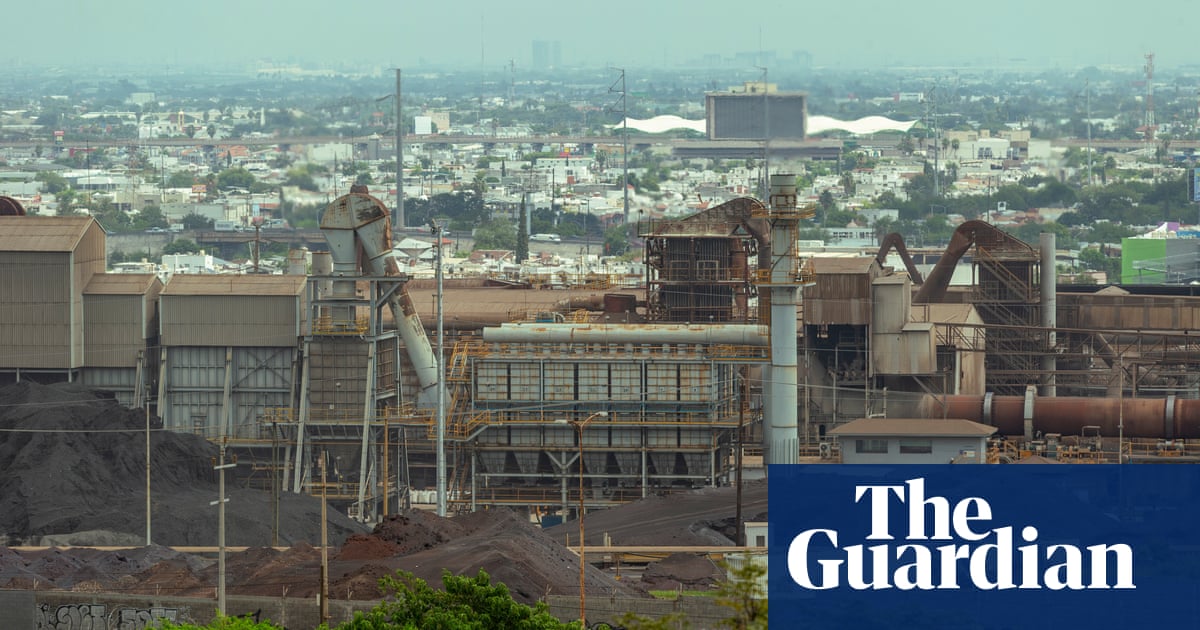
- Zinc Nacional confirms relocation of polluting operations in Monterrey
- Investigation links US hazardous waste imports to local pollution
- Neighborhoods show evidence of heavy-metals contamination
Zinc Nacional, a Mexican zinc producer, announced it will move its most polluting operations after a Guardian investigation revealed evidence of heavy-metals pollution near its Monterrey plant. The factory recycles toxic steel dust imported from the U.S. steel industry to recover zinc, but the joint probe with Quinto Elemento Lab found hazardous contamination in surrounding neighborhoods.
The Monterrey metropolitan area plant has faced scrutiny over its handling of hazardous waste, which originates from U.S. steel mills. Authorities have described the facility’s operations as among the most polluting in the region. Local residents and environmental groups have long raised concerns about health risks linked to the plant’s emissions and waste processing activities.
Pollution findings prompt relocation plan
The Guardian investigation exposed elevated levels of heavy metals, including lead and cadmium, in soil and water samples collected near the Zinc Nacional facility. Residents reported symptoms such as respiratory issues, skin irritation and gastrointestinal problems, which they attribute to the plant’s operations. Independent lab tests confirmed the presence of contaminants exceeding Mexican environmental safety standards.
Zinc Nacional acknowledged the findings in a statement, attributing some pollution to historical practices but pledging to address current violations. The company stated it would relocate the most polluting processes to a new site designed to meet stricter environmental controls. The relocation is expected to take up to two years to complete.
US waste exports under scrutiny
The investigation also highlighted the broader issue of U.S. hazardous waste exports to Mexico, where environmental regulations are often less stringent. About 20% of hazardous waste generated in the U.S. is sent abroad, with Mexico as a top destination. Critics argue that this practice shifts pollution risks to countries with weaker enforcement, exacerbating health and environmental disparities.
Environmental advocates in Mexico have called for stricter oversight of waste imports and a halt to shipments of highly toxic materials. The Zinc Nacional case has intensified calls for reform, with activists demanding transparency in hazardous waste handling and stronger penalties for violations.
Regulatory response and next steps
Mexican environmental authorities have launched inspections at the Monterrey plant following the report’s publication. The Secretaría de Medio Ambiente y Recursos Naturales (SEMARNAT) has demanded immediate corrective actions and is reviewing Zinc Nacional’s relocation plans. The agency has also announced plans to tighten import controls on hazardous waste from the U.S.
Zinc Nacional has committed to funding health studies in affected neighborhoods to assess long-term impacts. The company will also work with local authorities to monitor air and water quality during the transition. Residents, however, remain skeptical, citing past promises that went unfulfilled.
The relocation of Zinc Nacional’s operations marks a rare case where pollution concerns have led to a U.S.-Mexico hazardous waste facility being forced to relocate. It underscores the growing tension between industrial demand for waste processing and the environmental and public health costs borne by communities near such facilities.
What You Need to Know
- Source: The Guardian
- Published: May 03, 2025 at 15:00 UTC
- Category: Environment
- Topics: #guardian · #climate · #environment · #mexico · #zinc-nacional · #revealed
Read the Full Story
This is a curated summary. For the complete article, original data, quotes and full analysis:
All reporting rights belong to the respective author(s) at The Guardian. GlobalBR News summarizes publicly available content to help readers discover the most relevant global news.
Curated by GlobalBR News · May 03, 2025
🇧🇷 Resumo em Português
Um relatório investigativo do The Guardian expôs o escândalo ambiental que forçou uma gigante mexicana a recuar: a Zinc Nacional, uma das maiores produtoras de zinco do país, anunciou a realocação de sua planta tóxica após a descoberta de que ela vinha processando resíduos perigosos importados dos Estados Unidos. A decisão veio depois de denúncias de contaminação por metais pesados em comunidades vizinhas, colocando em xeque a fiscalização ambiental não apenas no México, mas em toda a região.
A polêmica ganhou dimensão internacional quando a reportagem revelou que, entre 2016 e 2022, cerca de 30 mil toneladas de resíduos industriais contaminados com chumbo, cádmio e outros elementos tóxicos foram enviadas do Texas para o México, onde foram queimadas ou depositadas sem os devidos controles. No Brasil, onde a importação de lixo tóxico é proibida pela Lei 12.305/2010, o caso serve de alerta sobre os riscos de flexibilização de normas ambientais e a necessidade de fortalecer acordos de fiscalização transfronteiriça. Especialistas brasileiros também destacam que a situação reforça a importância do princípio da responsabilidade compartilhada, previsto na Política Nacional de Resíduos Sólidos, para evitar que outros países se tornem “lixões” de nações industrializadas.
Agora, enquanto a Zinc Nacional promete limpar o passivo ambiental e transferir suas operações para uma área mais isolada, a pergunta que fica é: até quando países emergentes, como o Brasil, continuarão expostos a esses “exportadores de poluição” disfarçados de comércio legítimo?
The Guardian
Read full article at The Guardian →This post is a curated summary. All rights belong to the original author(s) and The Guardian.
Was this article helpful?


Discussion