Guardian readers challenge the term 'financial bullying' after survey finds 1 in 10 Americans call partner a financial bully.
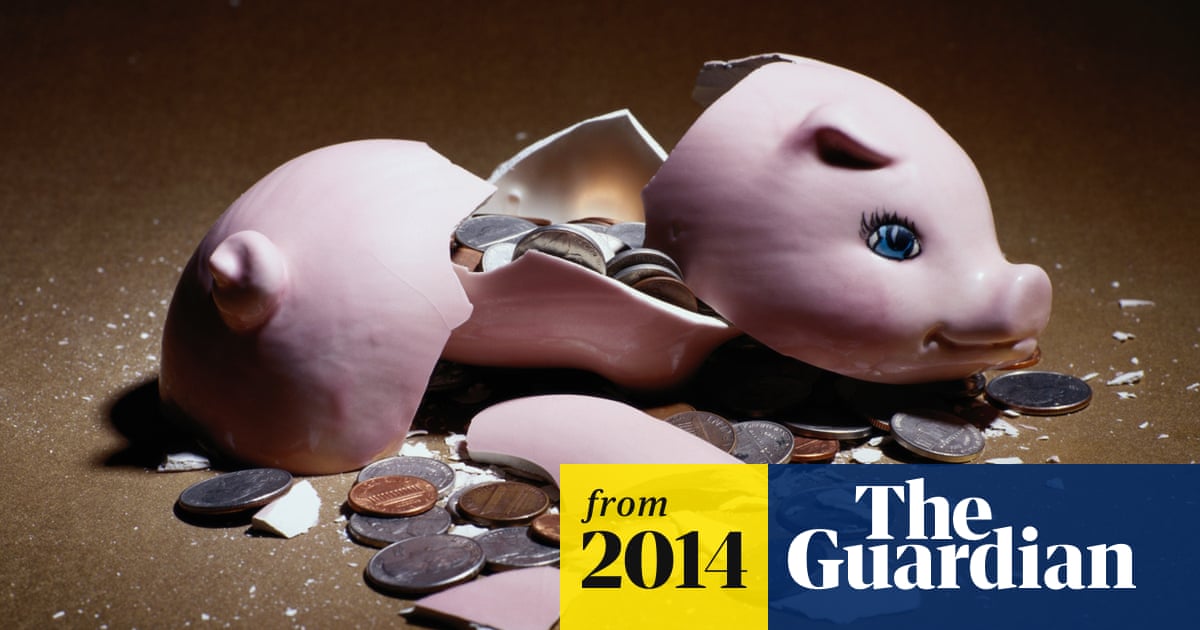
- Survey finds 1 in 10 Americans label partner a financial bully
- Guardian readers debate whether strict money management equals abuse
- Readers share first-person accounts of financial conflicts in marriage
Financial disagreements top the list of marital conflicts, but a recent survey suggests money management can escalate into something far more damaging. A poll of roughly 1,000 Americans found that 10% of respondents described their partner as a financial bully, while others argued the label too easily applied to partners simply enforcing budgets. The Guardian sought reader experiences on the issue, sparking a flood of responses that reveal deep divides over what constitutes financial responsibility versus control.
What readers say about money in marriage
One respondent, who asked to remain anonymous, described her husband’s practice of tracking every grocery purchase as “financial bullying.” Others countered that such scrutiny is basic financial responsibility. The responses highlighted how perceptions of control vary widely, even among couples with similar income levels. Some readers insisted that joint finances require transparency, while others argued that individual spending habits should remain private.
The debate intensified after the survey results were published. Critics pointed out that financial bullying can manifest as outright control—denying access to accounts, hiding debts or dictating spending—or as subtle manipulation, such as guilt-tripping over minor expenses. Advocates for stricter financial oversight countered that without enforced accountability, couples risk debt and financial instability.
Where financial responsibility ends and abuse begins
Experts warn that the line between financial responsibility and abuse is often blurred. The National Domestic Violence Hotline defines financial abuse as a form of domestic violence where one partner controls the other’s access to money, forcing dependence. Unlike budgeting, abuse involves restricting funds, sabotaging employment or using money to isolate a partner. The hotline reported a 20% increase in calls related to financial abuse during the pandemic, underscoring how economic stress can worsen controlling behaviors.
Yet, not all financial disagreements rise to the level of abuse. Couples therapist Esther Perel argues that money conflicts often reflect deeper issues like trust, power and differing values. Partners may clash over whether joint accounts mean shared decision-making or whether individual purchases require justification. The Guardian’s readers echoed these tensions, with some calling for stricter financial rules and others demanding complete autonomy over personal spending.
The legal and emotional toll of financial control
Financial abuse leaves lasting scars, even after relationships end. Victims often face ruined credit scores, evictions or legal battles over assets. A study by the Allstate Foundation found that 99% of domestic violence survivors also experienced financial abuse. Legal experts note that financial control can complicate divorce proceedings, as victims may lack access to funds for legal representation or basic needs.
For those still in relationships, the consequences are immediate. One reader described how her partner’s refusal to contribute to household expenses led to chronic stress and sleep deprivation. Others shared stories of partners who used money to punish perceived slights, such as withholding grocery funds after an argument. The emotional toll often outweighs the financial strain, leaving partners feeling trapped and powerless.
What’s next for couples navigating money conflicts
Therapists recommend open communication and clear agreements to prevent financial conflicts from escalating. Couples are advised to set shared financial goals while maintaining individual autonomy over personal spending. Financial advisors suggest regular money check-ins to align priorities and reduce resentment. For those in abusive relationships, experts urge seeking support from organizations like the National Domestic Violence Hotline or local shelters.
The debate over financial bullying reflects broader societal shifts in how money and power intersect in relationships. As economic pressures grow, so too does the need for honest conversations about fairness, trust and mutual respect. Whether through therapy, legal protections or financial planning, couples must navigate these challenges together—or risk losing more than just their savings.
What You Need to Know
- Source: The Guardian
- Published: August 14, 2014 at 11:00 UTC
- Category: Business
- Topics: #guardian · #business · #economy · #financial · #private · #americans
Read the Full Story
This is a curated summary. For the complete article, original data, quotes and full analysis:
All reporting rights belong to the respective author(s) at The Guardian. GlobalBR News summarizes publicly available content to help readers discover the most relevant global news.
Curated by GlobalBR News · August 14, 2014
Related Articles
- Kevin O’Leary: Gen Z founders working 18-hour days make ‘no sense’
- Lawyers sanctioned $110K for fake AI citations in landmark Oregon case
- Taiwan arms sales top Trump-Xi talks agenda as Xi meet ends
🇧🇷 Resumo em Português
O dinheiro continua sendo um dos maiores motivos de atrito nos lares brasileiros, e agora uma pesquisa internacional revela que 1 em cada 10 americanos admite sofrer com o que seus parceiros chamam de “bullying financeiro”. No Brasil, onde discussões sobre orçamento familiar muitas vezes são tratadas como tabu, essa discussão ganha ainda mais peso, especialmente em tempos de crise econômica e inflação persistente.
O fenômeno do “bullying financeiro” — quando um cônjuge controla excessivamente as finanças do outro, impondo restrições ou decisões unilaterais — reflete um problema global, mas com nuances locais. No Brasil, onde a desigualdade de renda entre gêneros ainda é significativa e a cultura de independência financeira das mulheres ainda está em construção, casos como esse podem agravar conflitos domésticos e até mesmo contribuir para o aumento de divórcios. Especialistas alertam que, em um país onde muitas famílias ainda vivem com orçamentos apertados, a falta de transparência ou a imposição de gastos desnecessários por um dos parceiros pode minar a confiança e a estabilidade do lar.
Enquanto casais brasileiros precisam urgentemente discutir — sem constrangimentos — como gerenciar suas finanças de forma justa, a tendência é que esse debate ganhe mais visibilidade nos próximos meses, especialmente com o crescimento das redes sociais e fóruns online dedicados à educação financeira familiar.
🇪🇸 Resumen en Español
El dinero sigue siendo un tabú en muchas relaciones, incluso dentro del matrimonio, donde uno de cada diez estadounidenses admite sentirse presionado o controlado por su pareja ante temas financieros. Experiencias compartidas por lectores de The Guardian revelan cómo discusiones sobre gastos, ahorros o deudas pueden escalar hasta convertirse en verdaderas situaciones de abuso psicológico bajo la excusa de la “responsabilidad económica”.
Detrás de estas confesiones hay una realidad que trasciende fronteras: el estrés por el dinero no solo divide presupuestos, sino también hogares. Para los hispanohablantes, este fenómeno cobra especial importancia en sociedades donde el machismo financiero —como exigir justificantes por cada gasto o imponer decisiones unilaterales— sigue enquistado. La encuesta subraya la necesidad de hablar abiertamente de economía doméstica, pues, como advierten los expertos, la desigualdad en el manejo del dinero puede ser la antesala de conflictos mayores.
The Guardian
Read full article at The Guardian →This post is a curated summary. All rights belong to the original author(s) and The Guardian.
Was this article helpful?


Discussion