Monterrey factories linked to US brands spew toxic metals, sickening locals.
- Monterrey factories supply US-bound goods but pollute local air with heavy metals
- Toxic emissions include arsenic, lead, and cadmium at levels far above safety limits
- Residents report chronic coughs, asthma, and skin rashes from the pollution
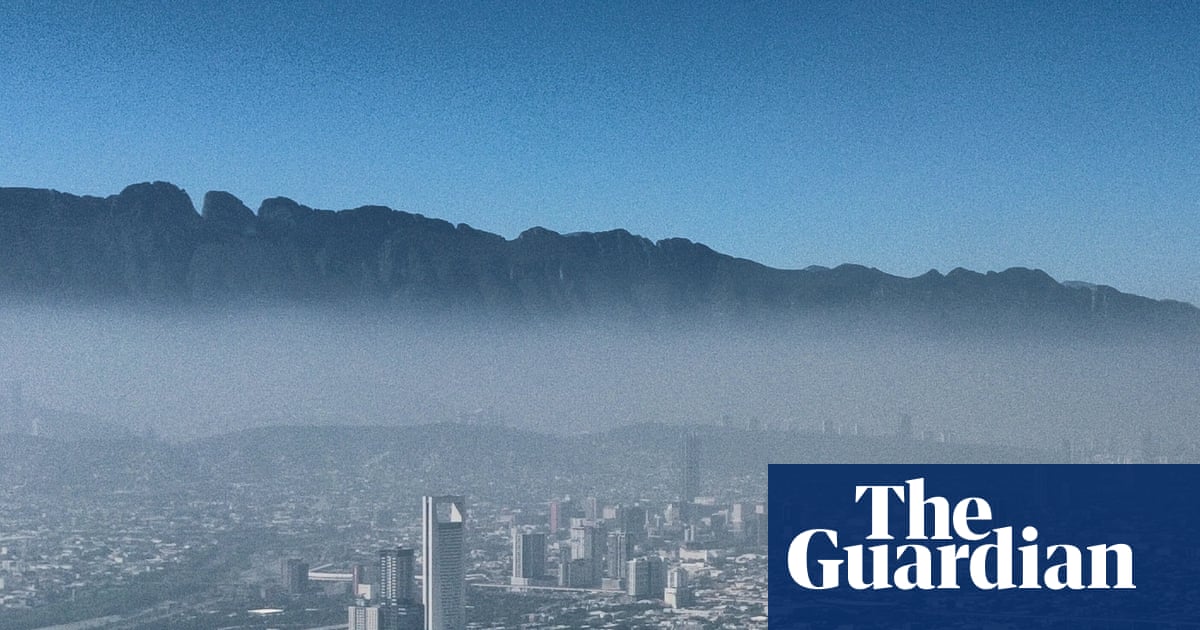
A first-of-its-kind investigation by the Guardian and Quinto Elemento Lab found that factories in Monterrey — Mexico’s third-largest city and a key US manufacturing hub — are releasing dangerous levels of heavy metals into the air. The factories, many of which supply products to US brands, are emitting arsenic, lead, and cadmium at concentrations far exceeding Mexico’s official safety standards. Residents say they’ve been living with the consequences for years: constant coughing, wheezing, and skin irritations they blame on the pollution that hangs over the city like a gray shroud every morning. Doctors in the area report a surge in respiratory illnesses and childhood asthma cases, particularly in neighborhoods closest to industrial zones. Local activists have documented spikes in hospital visits during windless days, when the toxic haze refuses to lift. The findings raise serious questions about the environmental and health costs of US-Mexico trade ties, where cheaper production often comes at the expense of public health south of the border. Industrial zones in Monterrey have expanded rapidly over the past decade, fueled by nearshoring trends as companies move manufacturing closer to US consumers to cut shipping times and costs. But the pollution isn’t just drifting over backyards—it’s seeping into the water supply and contaminating soil in surrounding communities. Air quality monitors near industrial clusters have recorded lead levels up to seven times higher than what the World Health Organization considers safe. Arsenic, a known carcinogen, has been detected at nearly four times the recommended limit. These are the same metals that decades ago caused public health crises in US cities like Flint, Michigan, and parts of California, but now they’re concentrated in a Mexican city that’s become a critical link in North America’s supply chain. ## The factories and the brands behind them The investigation identified more than 200 industrial facilities emitting heavy metals in Monterrey’s metropolitan area. Many of these plants operate under contract to produce goods for major US brands across sectors like automotive parts, electronics, and medical supplies. While some are Mexican-owned, others are subsidiaries of multinational corporations with headquarters in the US, Europe, and Asia. Public records show that factories supplying parts to well-known US automakers and electronics giants consistently top the list for toxic emissions. Climate conditions in Monterrey make the problem worse. The city sits in a valley surrounded by mountains, trapping pollution and preventing it from dispersing. Temperature inversions, common in winter, act like a lid, keeping the toxic air close to the ground for days. Residents describe the air as thick and acrid, with a metallic taste that lingers. “You can feel the poison in your throat,” said Maria Rodriguez, a schoolteacher who has lived in the San Bernabé neighborhood for 15 years. “The kids come home from school with their shirts stained gray. The doctors say it’s asthma, but no one’s doing anything about it.” ## What the law says, and who’s enforcing it Mexico’s environmental laws set limits for heavy metal emissions, but enforcement is lax. Inspectors rarely visit the most polluting facilities, and fines, when issued, are often small compared to the profits companies make. The investigation found that many factories had not updated their pollution control equipment in over a decade, despite modern technology that could sharply reduce emissions. The Mexican government has pledged to tighten enforcement, but critics say progress is slow. Meanwhile, residents are taking matters into their own hands. Community groups have filed complaints with state authorities and organized protests outside factory gates. Some have turned to crowdfunding to pay for independent air quality tests, which consistently show violations of safety standards. Others are pushing for legal action against the most flagrant polluters, citing violations of Mexico’s human rights and environmental laws. But legal battles move slowly, and for many families, the damage is already done. Children who grew up breathing this air now face long-term health risks, including developmental delays and higher cancer risks later in life. Doctors in the region say they’re seeing more cases of lead poisoning in kids than they did five years ago. The industrial boom that was supposed to lift Monterrey into prosperity has instead left many residents struggling to breathe. What happens next will depend on how much pressure the public can bring to bear. Activists are calling for a moratorium on new industrial permits until emissions are brought under control. They’re also demanding that companies responsible for the worst pollution pay for health studies and remediation in affected neighborhoods. Some environmental groups are pushing for the issue to be included in US-Mexico trade negotiations, arguing that the US has a responsibility to ensure its supply chains don’t harm communities abroad. The Mexican government has said it’s reviewing the findings and will take “appropriate action,” but hasn’t specified what that means. For now, Monterrey’s air remains thick with the burden of progress—and the people who live with it are paying the price.
What You Need to Know
- Source: The Guardian
- Published: December 02, 2025 at 14:00 UTC
- Category: Environment
- Topics: #guardian · #climate · #environment · #revealed · #mexico · #polluting
Read the Full Story
This is a curated summary. For the complete article, original data, quotes and full analysis:
All reporting rights belong to the respective author(s) at The Guardian. GlobalBR News summarizes publicly available content to help readers discover the most relevant global news.
Curated by GlobalBR News · December 02, 2025
Related Articles
🇧🇷 Resumo em Português
O ar de Monterrey, segunda maior cidade do México, está envenenado pela poluição de fábricas ligadas a marcas norte-americanas, revelou um estudo recente. A pesquisa identificou altas concentrações de metais pesados tóxicos no ar local, expondo moradores a graves riscos à saúde, como doenças respiratórias e câncer, enquanto essas indústrias abastecem o mercado dos EUA.
No Brasil, o caso reacende o debate sobre os impactos ambientais e sociais da produção industrial para exportação, especialmente em setores que abastecem o mercado norte-americano. O país, que também abriga inúmeras fábricas voltadas à exportação, enfrenta desafios semelhantes de fiscalização e responsabilização ambiental. Para os leitores de língua portuguesa, a notícia serve como alerta sobre os custos ocultos da globalização industrial e a necessidade de regulamentações mais rígidas para proteger comunidades locais.
Especialistas já pedem investigações mais profundas e cobram das empresas envolvidas a adoção de práticas sustentáveis, enquanto governos da região são pressionados a agir antes que mais vidas sejam afetadas.
The Guardian
Read full article at The Guardian →This post is a curated summary. All rights belong to the original author(s) and The Guardian.
Was this article helpful?



Discussion