Mexico fines toxic waste plant $4.8m and launches air monitors after Guardian probe finds dangerous pollution levels in Monterrey.
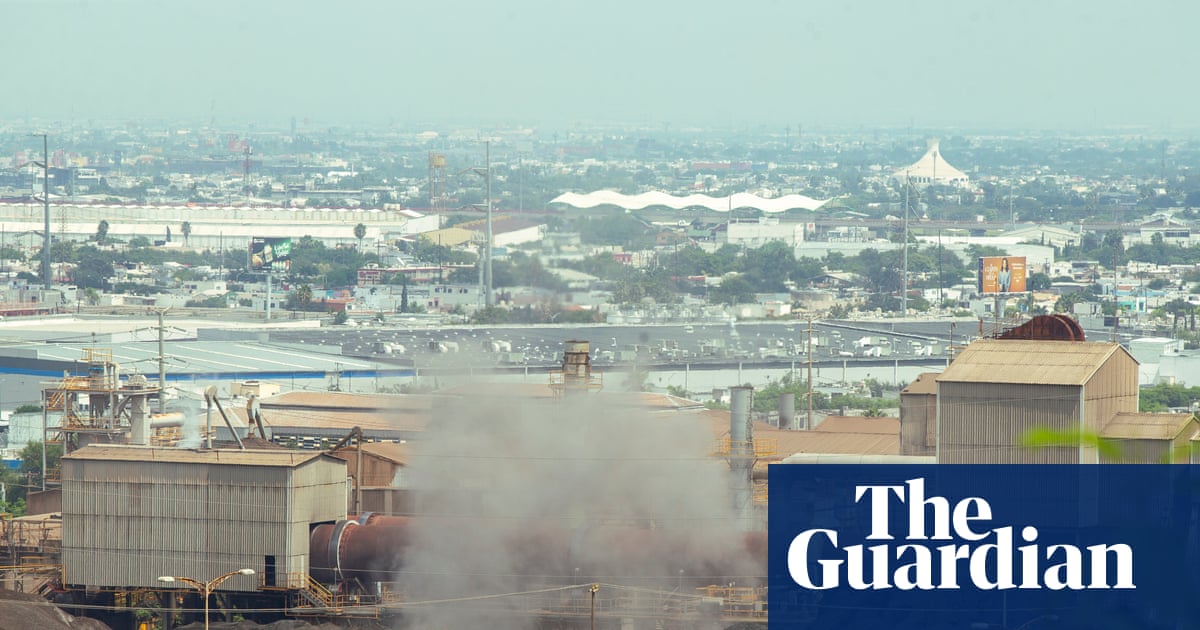
- Mexico fines plant $4.8m for illegal toxic waste processing in Monterrey
- New air-monitoring system to track industrial pollution regionwide
- Investigations reveal high heavy-metal contamination near Zinc Nacional factory
The Mexican government announced a sweeping crackdown on industrial pollution Friday, including $4.8 million in fines against a plant processing toxic waste from the U.S. The penalties target Zinc Nacional, a Monterrey-based factory linked to severe heavy-metal contamination in nearby neighborhoods, according to investigations by the Guardian and Mexico’s Quinto Elemento Lab.
Government officials confirmed the fines and outlined a broader plan to deploy a new industrial air-monitoring system across Monterrey’s metropolitan area. The move follows revelations that Zinc Nacional, which recycles materials for U.S. manufacturers, had been emitting hazardous substances for years. Residents near the plant reported health issues, including respiratory problems and skin irritations, while soil tests showed elevated levels of lead, arsenic and cadmium.
Factory linked to U.S. supply chains faces scrutiny
Environmental Protection Agency (EPA) records indicate Zinc Nacional has processed thousands of tons of hazardous waste from U.S. companies since 2010. The factory’s role in recycling materials for American supply chains has drawn attention to cross-border pollution risks. Monterrey, Mexico’s industrial hub, produces goods for major U.S. brands, raising concerns about lax enforcement of environmental standards.
Quinto Elemento Lab’s investigation found contamination levels up to 50 times Mexico’s safety limits in soil samples near the plant. The Guardian’s reporting also revealed that local authorities had failed to act despite repeated complaints from residents. The new air-monitoring system aims to provide real-time data on pollution spikes, allowing faster responses to health threats.
Government promises stricter enforcement after public outcry
Mexico’s Environment Ministry said the fines and monitoring system are part of a broader effort to reduce industrial pollution in Monterrey. Officials pledged to inspect other facilities in the region and impose penalties for violations. The crackdown comes as President López Obrador faces pressure to address environmental degradation amid growing public anger over industrial mismanagement.
Environmental groups welcomed the measures but called for stronger penalties and independent oversight. ‘Fines alone won’t solve systemic problems,’ said Ana Lilia Domínguez, a researcher at Mexico’s Autonomous University. ‘We need transparent monitoring and accountability for repeat offenders.’ The government plans to publish pollution data online, though activists question whether it will be sufficient to prevent future harm.
What happens next remains unclear. Zinc Nacional has not responded publicly to the fines, and residents say they will continue pushing for relocation or closure of the plant. The EPA has not commented on whether it will investigate U.S. companies that shipped waste to the factory. The broader implications include potential trade disputes if Mexico’s enforcement affects cross-border supply chains.
What You Need to Know
- Source: The Guardian
- Published: February 01, 2026 at 17:08 UTC
- Category: Environment
- Topics: #guardian · #climate · #environment · #mexico · #quinto-elemento-lab · #mexican
Read the Full Story
This is a curated summary. For the complete article, original data, quotes and full analysis:
All reporting rights belong to the respective author(s) at The Guardian. GlobalBR News summarizes publicly available content to help readers discover the most relevant global news.
Curated by GlobalBR News · February 01, 2026
🇧🇷 Resumo em Português
O México anunciou um investimento de US$ 4,8 milhões para combater a poluição após investigações do The Guardian revelarem altos níveis de metais pesados tóxicos nas proximidades de uma fábrica em Monterrey que processava resíduos perigosos dos Estados Unidos. A decisão do governo mexicano surge em resposta a denúncias de moradores locais, que há anos sofrem com doenças respiratórias, intoxicações e contaminação do solo e da água, colocando em xeque a segurança ambiental e a saúde pública na região industrial.
O caso evidencia a fragilidade das fiscalizações em áreas de fronteira e a necessidade urgente de regulamentações mais rígidas para o descarte de lixo tóxico, especialmente quando envolve a importação de resíduos de outros países. Para o Brasil, que também recebe e processa resíduos internacionais, incluindo lixo eletrônico e industrial, a notícia serve como alerta sobre os riscos de negligenciar a fiscalização ambiental e a saúde das comunidades afetadas por essas atividades.
Enquanto o México se mobiliza para conter os danos, a pressão por transparência e responsabilização das empresas envolvidas ganha força, deixando claro que a luta contra a poluição transfronteiriça exige cooperação internacional e ações concretas.
The Guardian
Read full article at The Guardian →This post is a curated summary. All rights belong to the original author(s) and The Guardian.
Was this article helpful?


Discussion