UAE accuses Iran of drone strike near nuclear plant, causing fire with no radiation risk.
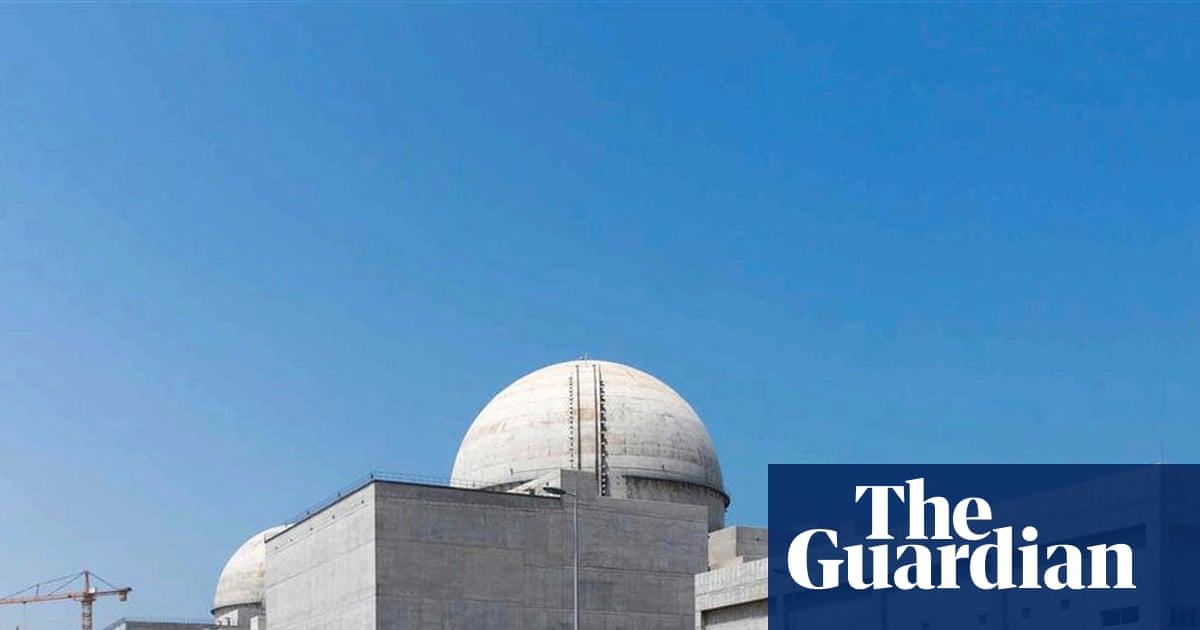
- UAE blames Iran or proxies for drone strike near Barakah nuclear plant
- Fire caused no injuries or radiation leaks, per UAE nuclear regulator
- Abu Dhabi calls incident a dangerous escalation of tensions
The United Arab Emirates UAE directly blamed Iran or one of its proxies for a drone strike that sparked a fire near the Barakah nuclear plant on Tuesday. Abu Dhabi’s media office said the fire broke out just outside the plant’s perimeter in Al Dhafra, about 50 km west of Abu Dhabi city. The UAE’s Federal Authority for Nuclear Regulation confirmed there were no radioactive leaks, no radiation alerts, and no threat to the public or workers at the plant. The fire was brought under control within hours, and the plant continued normal operations afterward.
Iran-UAE tensions flare as ceasefire weakens
Officials in Abu Dhabi called the drone strike a deliberate attack and a dangerous escalation of regional tensions. The incident comes as Iran’s fragile ceasefire with Saudi Arabia and other Gulf states shows signs of strain. Last year, Iran and Saudi Arabia agreed to restore diplomatic ties after years of hostility, mediated by China. But skirmishes in Yemen and maritime disputes have kept relations tense. The UAE has long accused Iran of using proxies like Yemen’s Houthi rebels to target its infrastructure, including oil facilities and airports.
Iran has not yet responded to the UAE’s accusation. The country’s foreign ministry usually denies involvement in such attacks within days, often calling the claims baseless. But the timing of this incident raises questions about whether the ceasefire is holding. Just last month, a Houthi drone strike hit a UAE-flagged oil tanker in the Red Sea, wounding two crew members. The UAE condemned that attack as well, linking it to Iran-backed groups.
Barakah nuclear plant is UAE’s only active nuclear site
The Barakah plant is the UAE’s first and only operational nuclear power facility, generating about 25% of the country’s electricity. Built by South Korea’s Korea Electric Power Corporation (KEPCO), it has four APR-1400 reactors. The first reactor went online in 2020, and the fourth was connected to the grid in early 2024. The plant sits in a sparsely populated desert area, designed with multiple safety layers to withstand extreme weather and potential threats. Despite the proximity of Tuesday’s fire, the UAE insists the incident posed no risk to the reactors or the surrounding community.
International nuclear regulators, including the International Atomic Energy Agency (IAEA), have not commented on the incident. The IAEA has previously praised the UAE’s nuclear program for its transparency and safety record. The Barakah plant’s operators say it meets all global safety standards and has redundant systems to prevent accidents. This isn’t the first time the facility has faced scrutiny—activists have raised concerns about the risks of operating nuclear plants in a volatile region.
What’s next for UAE-Iran relations?
The UAE’s accusation puts new pressure on Iran to clarify its role, if any, in the drone strike. Regional analysts say the incident could push the UAE to strengthen its defense ties with the U.S. and other Gulf allies. The U.S. already operates a major military base in the UAE and has pledged to support its allies against attacks by Iran-backed groups. But with the U.S. focused on other global conflicts, some wonder if Washington will intervene directly.
For now, the UAE is treating the incident as a serious security threat. Authorities have increased patrols around critical infrastructure, including the Barakah plant. The government also summoned Iran’s chargé d’affaires in Abu Dhabi for an explanation. If Iran denies involvement, the UAE may push for stronger sanctions or diplomatic measures through the Gulf Cooperation Council (GCC). The GCC has been pushing for a unified stance against regional destabilization, but member states often have competing interests.
The fire near Barakah won’t immediately disrupt the UAE’s energy plans, but it adds to a growing list of security worries. The country is racing to diversify its economy away from oil, and nuclear energy is a key part of that strategy. If the UAE feels forced to divert resources to military defense, it could slow down other priorities like renewable energy projects and tourism expansion. Meanwhile, Iran’s leadership faces its own pressures—economic sanctions, domestic protests, and a new hardline parliament that’s skeptical of regional engagement.
For the people living near Barakah, Tuesday’s fire was a reminder of the risks of living in a region where tensions often play out in proxy wars. Most residents told local media they felt safe because of the plant’s safety record, but the drone strike raised fresh questions about whether the UAE’s defenses are strong enough to handle threats from the air.
What You Need to Know
- Source: The Guardian
- Published: May 17, 2026 at 19:33 UTC
- Category: World
- Topics: #guardian · #world-news · #international · #war · #conflict · #iran
Read the Full Story
This is a curated summary. For the complete article, original data, quotes and full analysis:
All reporting rights belong to the respective author(s) at The Guardian. GlobalBR News summarizes publicly available content to help readers discover the most relevant global news.
Curated by GlobalBR News · May 17, 2026
Related Articles
- Czech beer consumption drops sharply as young drink less
- UN warns of global housing gap as ministers meet in Baku
- 🎉 500 Articles in World!
🇧🇷 Resumo em Português
O ataque com drones contra uma usina nuclear nos Emirados Árabes Unidos reacendeu as tensões no Oriente Médio, colocando em xeque a segurança energética da região e o delicado equilíbrio geopolítico que afeta diretamente o Brasil. Autoridades de Abu Dhabi culparam o Irã ou seus grupos aliados pelo incidente, que não resultou em vítimas ou vazamento de radiação, mas expôs a vulnerabilidade de infraestruturas críticas mesmo em países com avançados sistemas de defesa. O episódio ocorre em meio a um cessar-fogo frágil entre Teerã e suas adversárias, o que aumenta a preocupação sobre um possível escalonamento do conflito.
Para o Brasil, que mantém relações comerciais e diplomáticas tanto com os Emirados quanto com o Irã — além de ser um dos maiores importadores de petróleo do Oriente Médio —, a instabilidade na região pode impactar preços de energia e rotas de comércio global. O país também acompanha de perto os desdobramentos por sua participação no BRICS e por seu papel mediador em crises internacionais, como a recente guerra na Ucrânia. A alegação dos EAU reforça a narrativa de Teerã como uma ameaça regional, algo que o governo brasileiro precisa ponderar ao definir sua postura em fóruns multilaterais.
A investigação segue em curso, mas o caso já serve de alerta para a comunidade internacional sobre os riscos de um conflito armado envolvendo atores não estatais e Estados com programas nucleares sensíveis.
🇪🇸 Resumen en Español
La tensión en Oriente Medio se recrudece tras la acusación de Emiratos Árabes Unidos contra Irán por el lanzamiento de un dron cerca de la central nuclear de Barakah, un episodio que reaviva el fantasma de un conflicto regional con consecuencias impredecibles. Abu Dhabi responsabilizó directamente a Teherán o a sus aliados proxies por el incidente, aunque matizó que no hubo víctimas ni fugas radiactivas, lo que, sin embargo, no resta gravedad a la escalada en una zona ya de por sí volcánica.
El episodio ocurre en un contexto de alto voltaje geopolítico, donde el cese al fuego temporal en la región no ha logrado apagar las brasas de la desconfianza mutua entre Arabia Saudí e Irán, aliados de bloques enfrentados en conflictos como el de Yemen o Siria. Para los hispanohablantes, este tipo de noticias recuerda la fragilidad de la estabilidad energética global, pues Barakah —la primera central nuclear del mundo árabe— simboliza la apuesta de Oriente Medio por diversificar su matriz energética, mientras el riesgo de un error de cálculo militar podría desestabilizar aún más un tablero donde Europa ya sufre las consecuencias de la guerra en Ucrania. La pregunta que queda flotando es hasta cuándo podrán contenerse estas tensiones antes de que el fuego cruce fronteras.
The Guardian
Read full article at The Guardian →This post is a curated summary. All rights belong to the original author(s) and The Guardian.
Was this article helpful?
Discussion