Minnesota activates National Guard to fight northern wildfires as dry winds spread flames.
- Governor Walz declares peacetime emergency for wildfire response
- Dry winds and low humidity make fires spread quickly
- National Guard joins firefighters battling multiple northern blazes
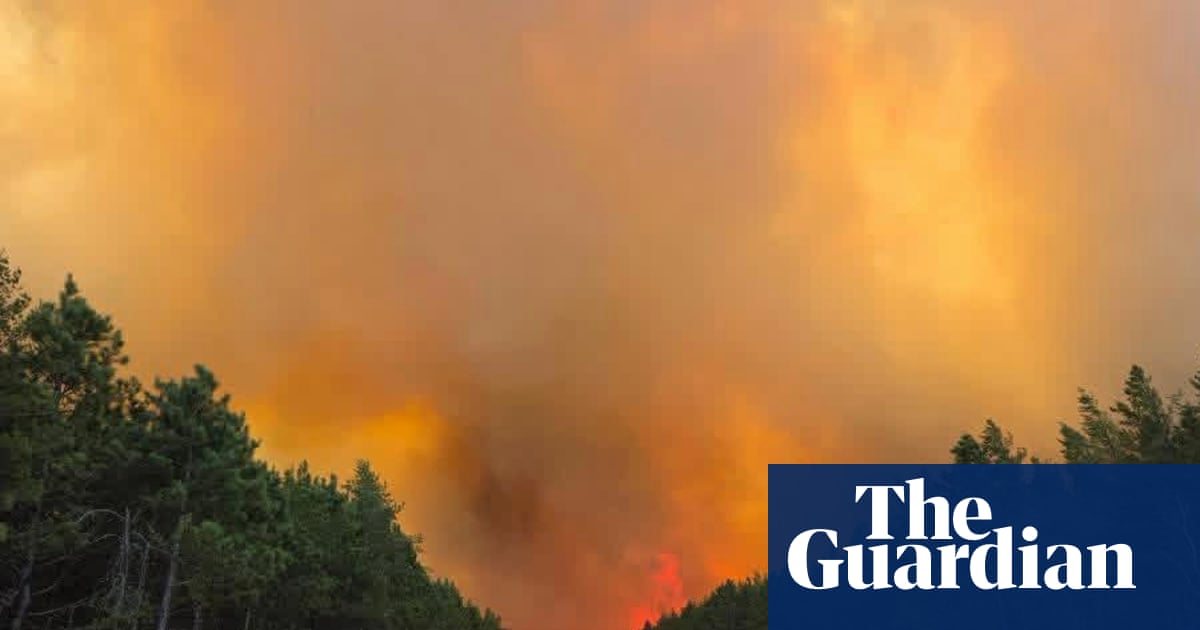
Minnesota’s governor Tim Walz ordered the state’s National Guard into action Sunday after wildfires in the northern region grew out of control. The fires picked up speed late last week as gusty winds and low humidity dried out vegetation, making containment nearly impossible for crews already stretched thin. The Minnesota Department of Natural Resources requested the extra help, triggering the peacetime emergency declaration that allows the National Guard to assist with fire suppression and evacuations.
The blazes started late last month but flared up as temperatures climbed and winds gusted up to 30 mph, spreading embers across dry grass and pine forests. Firefighters from neighboring states and Canada have been called in to help, but officials say the terrain—dense with black spruce and bogs—is making access difficult. One fire near the town of Warba, about 20 miles north of Grand Rapids, has already scorched over 1,200 acres and forced dozens of residents to evacuate.
Governor Walz warns conditions will worsen before they get better
Walz described the fires as ‘unpredictable and fast-moving’ during a press conference Saturday, noting that crews were struggling to keep up with the pace of the spread. ‘We’ve got a serious situation here,’ he said. ‘These fires aren’t like what we’ve seen in the southern part of the state. The winds are pushing them in directions we can’t predict.’ The National Guard’s deployment includes helicopters and ground crews trained in wildfire suppression, which will help with water drops and securing containment lines.
The fires aren’t just a threat to homes and businesses—they’re also burning near critical infrastructure. Power lines serving remote communities have been damaged, and officials are warning of potential blackouts if the flames aren’t contained. The Minnesota Department of Public Safety has set up a command center in Duluth to coordinate the response, but crews are working in near-constant shifts to avoid burnout.
Climate change and drought fuel the crisis
State officials point to years of below-average rainfall and rising temperatures as major contributors to the wildfire risk. Northern Minnesota has been in a moderate drought since early spring, leaving forests tinder-dry. ‘This isn’t just a bad year—it’s a sign of what’s becoming the new normal,’ said Cass County Sheriff Tom Burch, whose jurisdiction includes some of the hardest-hit areas. ‘We’re seeing fires start earlier and burn hotter.’
The immediate goal is to protect lives and property, but the long-term challenge is preventing another season like this one. Firefighters are already preparing for the possibility of more blazes as summer heats up, and some residents are choosing to evacuate preemptively. ‘People are scared,’ said a local store owner in Warba who asked not to be named. ‘You walk outside and smell smoke, and you know it’s not just a little campfire.’
State agencies are also urging residents to clear brush and flammable materials from around homes, a step that can make the difference between a minor scare and a total loss. The Minnesota DNR has issued a statewide fire danger alert, banning open burning in most areas until further notice.
The fires aren’t going away anytime soon. With no significant rain in the forecast and winds still gusty, officials say the worst may still be ahead. The National Guard’s deployment buys time, but the real work—digging firebreaks, setting backfires, and praying for rain—has only just begun.
What You Need to Know
- Source: The Guardian
- Published: May 17, 2026 at 21:10 UTC
- Category: Environment
- Topics: #guardian · #climate · #environment · #wildfire · #minnesota · #tim-walz
Read the Full Story
This is a curated summary. For the complete article, original data, quotes and full analysis:
All reporting rights belong to the respective author(s) at The Guardian. GlobalBR News summarizes publicly available content to help readers discover the most relevant global news.
Curated by GlobalBR News · May 17, 2026
Related Articles
🇧🇷 Resumo em Português
Incêndios florestais devastadores avançam no norte dos Estados Unidos, colocando em alerta as autoridades de Minnesota. Com ventos fortes e clima seco intensificando as chamas, o governador Tim Walz não teve escolha: acionou a Guarda Nacional do estado para combater as queimadas que já ameaçam comunidades inteiras.
A situação em Minnesota reflete um fenômeno cada vez mais comum não só nos EUA, mas também em várias regiões do Brasil. O país sul-americano enfrenta sua própria crise de incêndios, especialmente na Amazônia e no Cerrado, onde a combinação de seca prolongada, altas temperaturas e ações humanas agrava os danos ambientais e à saúde pública. Para os leitores brasileiros, a notícia serve como um alerta sobre os riscos de uma estação seca extrema e a importância de políticas preventivas. Além disso, mostra como governos ao redor do mundo estão sendo obrigados a recorrer a medidas emergenciais, como o envio de forças militares, para lidar com desastres naturais cada vez mais frequentes e intensos.
A mobilização da Guarda Nacional em Minnesota pode ser apenas o começo de uma temporada de fogo ainda mais crítica nos hemisférios norte e sul.
The Guardian
Read full article at The Guardian →This post is a curated summary. All rights belong to the original author(s) and The Guardian.
Was this article helpful?


Discussion