Iran war sparks Dubai exodus as billionaires shift assets to Singapore and Switzerland.
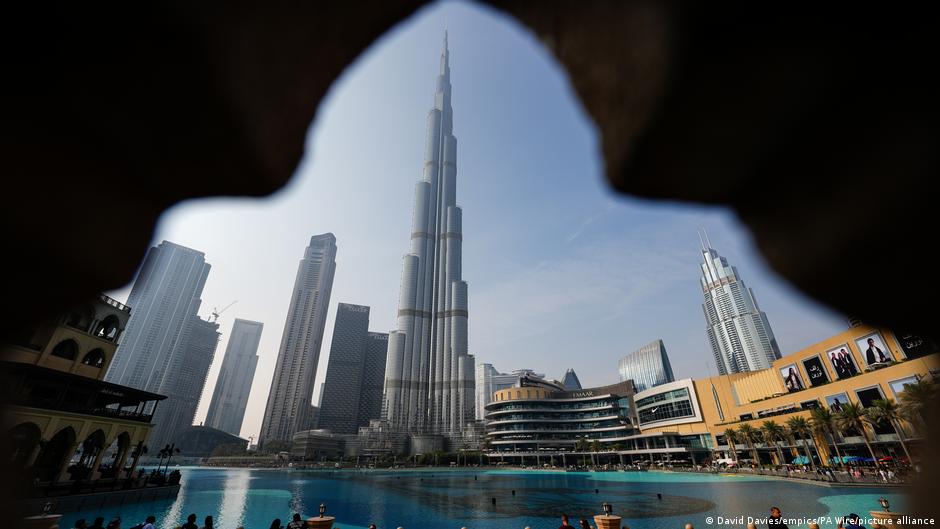
- Iran war attacks crushed Dubai’s stock markets by $120 billion in days
- Hotel occupancy in Dubai dropped from 70-80% to just 20%
- Flights to Dubai fell by two-thirds after Iranian missile strikes
Dubai has spent decades selling itself as the Middle East’s financial fortress—a place where oil sheikhs, tech billionaires, and Russian oligarchs could park their cash and sleep easy. The emirate’s gleaming towers, tax-free zones, and zero-income-tax policy turned it into a global magnet for high-net-worth individuals. That image just took a serious hit. When Iran launched missile and drone strikes across the Gulf last month, Dubai’s financial markets hemorrhaged $120 billion in a single week, according to data from Capital Economics, a London-based research firm. The immediate panic wasn’t just about the numbers—it was about the message. If Dubai can’t shield investors from a regional war, what can it protect them from?
The domino effect on Dubai’s economy
The damage wasn’t limited to the stock exchange. Dubai’s tourism sector, a lifeline that accounts for nearly 15% of its GDP, collapsed overnight. Hotels that usually run at 70-80% occupancy saw bookings drop to 20%, with many guests canceling mid-stay. The city’s gleaming malls, once packed with shoppers from India, China, and Europe, emptied out. Even the Burj Khalifa, Dubai’s iconic 828-meter skyscraper, lost its usual crowd of tourists snapping selfies at the observation deck. Dubai International Airport, the world’s busiest for international travel, saw flights plummet by two-thirds. Airlines canceled routes, and private jets—often a barometer of wealth movement—were suddenly flying empty or rerouting to safer destinations like Singapore and Zurich.
The quiet exit of the ultra-rich
While Dubai’s leaders downplayed the crisis, whispers in private banking circles told a different story. Wealth managers in Dubai confirmed to Reuters that clients—especially those from Iran, Russia, and India—were moving assets to Singapore’s Changi District and Swiss private banks in Zurich and Geneva. Singapore, with its strict financial secrecy laws and proximity to key Asian markets, has been the top choice for Middle Eastern and Russian investors since Russia’s invasion of Ukraine. Switzerland, meanwhile, remains the gold standard for storing wealth discreetly. “People aren’t just diversifying their portfolios—they’re diversifying their entire lives,” said one Dubai-based wealth manager who requested anonymity to speak candidly. “If you’ve got a family in Dubai, a home in London, and now you’re shifting assets to Singapore, you’re hedging against more than just currency risk.”
The government’s damage control
Dubai’s rulers aren’t sitting idle. The government quickly rolled out a $10 billion stimulus package to prop up markets and tourism, while central bank officials assured investors that the financial system remained stable. But stability isn’t the same as security. The attacks exposed a critical flaw in Dubai’s pitch: it’s not immune to regional conflicts, no matter how many skyscrapers it builds. “Dubai’s strength was always its perception as a neutral, stable hub,” said a Dubai-based economist. “But when missiles start hitting targets 200 miles away, that perception takes a beating.”
The government has also tried to reassure the public by pointing to the emirate’s rapid recovery after past crises, like the 2008 financial crash or the COVID-19 pandemic. But this time feels different. The attacks weren’t just an economic shock—they were a psychological one. Investors who once saw Dubai as a long-term safe bet are now asking: What if it happens again?
What happens next?
For now, Dubai’s leaders are walking a tightrope. They can’t afford to admit weakness, but they also can’t ignore the outflow of capital. The immediate battle is to restore confidence, starting with tourism. The government has slashed visa fees, waived airport taxes, and is offering cash incentives to airlines that restart routes. But rebuilding trust takes time—and money.
Longer term, Dubai may need to rethink its appeal. It can’t control regional conflicts, but it can control its financial regulations, transparency, and security. If it wants to keep its safe-haven status, it’ll have to prove it’s not just a pretty skyline with good tax breaks. It’ll have to show it’s a place where money—and people—can truly feel secure.
What You Need to Know
- Source: Deutsche Welle
- Published: May 04, 2026 at 16:25 UTC
- Category: World
- Topics: #europe · #world-news · #war · #conflict · #dubai
Read the Full Story
This is a curated summary. For the complete article, original data, quotes and full analysis:
All reporting rights belong to the respective author(s) at Deutsche Welle. GlobalBR News summarizes publicly available content to help readers discover the most relevant global news.
Curated by GlobalBR News · May 04, 2026
Related Articles
- Czech beer consumption drops sharply as young drink less
- UN warns of global housing gap as ministers meet in Baku
- 🎉 500 Articles in World!
🇧🇷 Resumo em Português
Dubai perde seu status de refúgio seguro à medida que milionários fogem para Singapura e Suíça com medo da guerra no Irã.
O temor de um conflito direto entre Irã e Israel está abalando a confiança dos investidores no Golfo Pérsico, e Dubai, que há anos atraía bilionários com promessas de segurança e discrição, vê sua imagem de paraíso financeiro ruir. Nos últimos meses, uma onda de milionários e famílias abastadas tem transferido fortunas para destinos como Singapura e Suíça, temendo a escalada de tensões regionais que poderiam desestabilizar mercados e turismo no emirado. Segundo relatórios de consultorias especializadas, pelo menos US$ 15 bilhões já deixaram Dubai desde o início do ano, um movimento que expõe fragilidades em um modelo de negócios construído sobre a estabilidade geopolítica — algo que agora parece cada vez mais incerto.
Para o Brasil, a notícia não é apenas um reflexo das tensões internacionais, mas um alerta sobre os riscos de apostar em modelos de desenvolvimento econômico dependentes de capital volátil. Investidores brasileiros com aplicações no emirado — que incluem desde imóveis de luxo até holdings financeiras — precisam reavaliar suas estratégias diante de um cenário de incerteza crescente. Além disso, a crise em Dubai pode reacender debates sobre a busca por alternativas seguras no exterior, especialmente em um momento em que o real desvalorizado e a inflação interna pressionam os brasileiros a proteger seu patrimônio fora do país.
O próximo passo será observar se Dubai consegue reverter a fuga de capitais com medidas emergenciais ou se a tendência de desinvestimento se consolidará, possivelmente reconfigurando o mapa dos paraísos fiscais globais.
🇪🇸 Resumen en Español
El estatus de Dubai como refugio seguro para fortunas globales se resquebraja cuando los más adinerados trasladan miles de millones a Singapur y Suiza, en medio de un clima de tensión bélica en el Golfo que sacude los mercados y el turismo. El movimiento, que refleja una crisis de confianza en la estabilidad de la región, marca un giro inesperado para la ciudad, tradicionalmente percibida como un oasis financiero y fiscal en Oriente Medio.
La huida de capitales no solo cuestiona el modelo económico de Dubai, basado en la atracción de inversores y empresas con ventajas fiscales y un entorno político estable, sino que también expone su vulnerabilidad ante conflictos geopolíticos que trascienden fronteras. Para los lectores hispanohablantes, especialmente aquellos con intereses en inversiones internacionales o en mercados emergentes, esta situación plantea interrogantes sobre la diversificación de riesgos y la dependencia de plazas como Dubai en un escenario global cada vez más volátil. Además, invita a reflexionar sobre cómo el aumento de la inestabilidad en Oriente Medio podría reconfigurar las rutas del dinero y las estrategias de los grandes patrimonios en los próximos años.
Deutsche Welle
Read full article at Deutsche Welle →This post is a curated summary. All rights belong to the original author(s) and Deutsche Welle.
Was this article helpful?
Discussion