WHO declares rare Bundibugyo Ebola outbreak in Congo and Uganda a global emergency after 336 cases and 88 deaths.
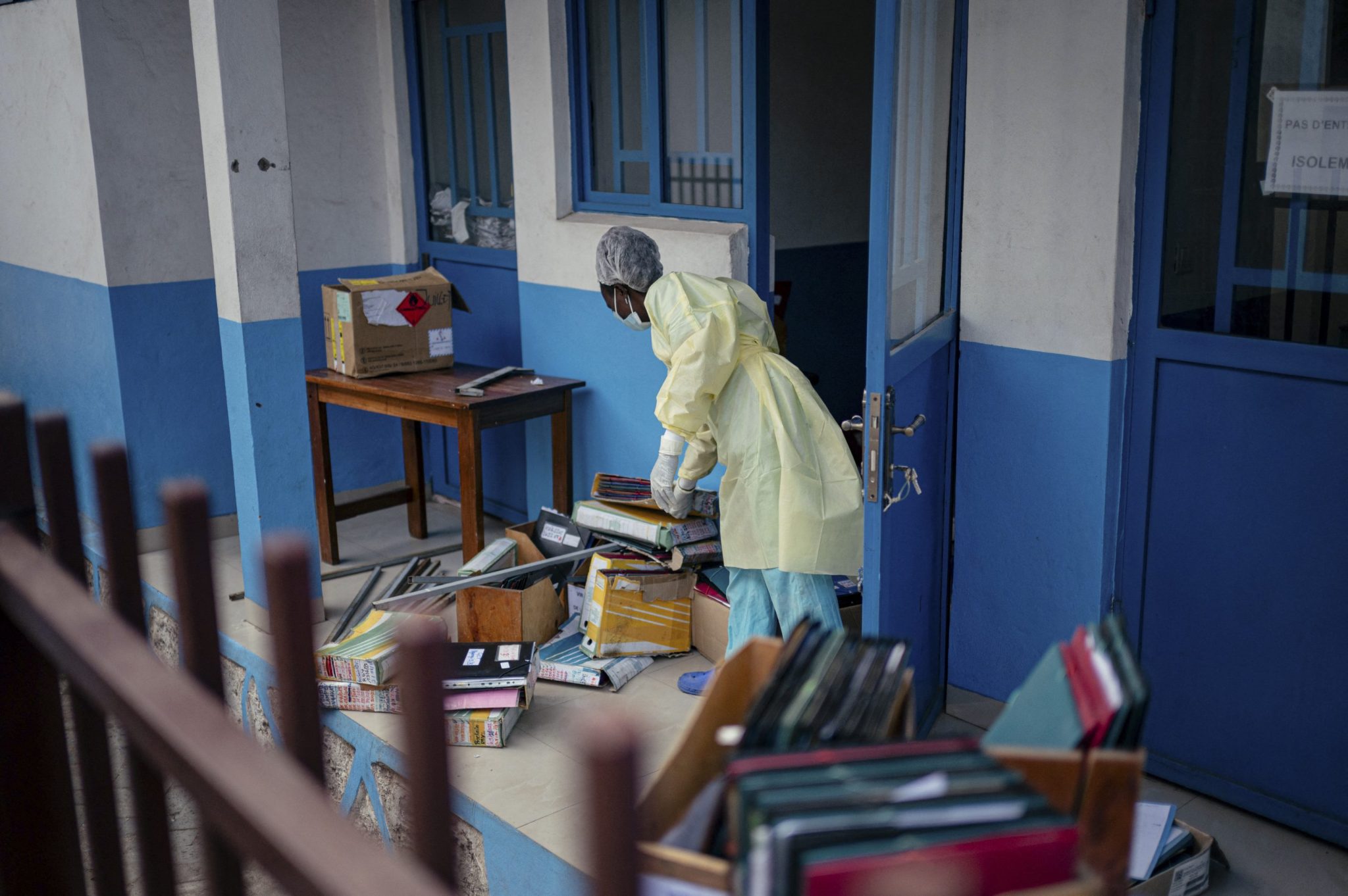
- WHO declares Ebola outbreak in Congo and Uganda a global emergency on Sunday
- Rare Bundibugyo variant has no approved treatments or vaccines
- 336 suspected cases and 88 deaths reported since outbreak began
The World Health Organization WHO raised the alarm Sunday, labeling the Ebola outbreak in the Democratic Republic of Congo and Uganda a public health emergency of international concern. The decision comes after the Africa Centres for Disease Control and Prevention confirmed a new Ebola outbreak in Congo’s Ituri province on Friday. By Saturday, health officials tallied 336 suspected cases and 88 deaths linked to the rare Bundibugyo virus, a variant of Ebola with no approved treatments or vaccines. All but two of the cases are in Congo—those two occurred in Uganda, marking the first time this strain has been detected there. This is only the third known outbreak of Bundibugyo Ebola in history, the first two also occurred in Uganda in 2007 and 2012. The current outbreak began in April and has spread across multiple health zones in Congo’s northeastern Ituri province, where dense forests and porous borders make containment difficult. Health workers report that communities are resisting health measures, with some refusing to report suspected cases or allowing burials to take place safely. The stigma around Ebola is making contact tracing nearly impossible in some areas. Experts warn the lack of approved drugs or vaccines means standard treatments won’t work, forcing doctors to rely on supportive care like fluids and fever reducers. ## Why the Bundibugyo strain is so dangerous The Bundibugyo virus is one of six known Ebola species, but it behaves differently from the more common Zaire strain that caused deadly outbreaks in West Africa and Congo in recent years. Early symptoms—fever, muscle pain, and diarrhea—often mimic malaria or other tropical diseases, delaying diagnosis. The virus kills about 30% to 50% of those infected, though that estimate could rise as the outbreak grows. Unlike Zaire Ebola, Bundibugyo has no licensed therapeutics like mAb114 or REGN-EB3, which proved effective against other strains. Congo has faced 17 Ebola outbreaks since the virus first emerged there in 1976, but this is the first time Bundibugyo has been involved in a major crisis. The country’s health system is already stretched thin by measles, cholera, and conflict in the eastern regions, where armed groups frequently disrupt aid efforts. ## How this outbreak compares to past Ebola crises The WHO’s declaration follows a pattern seen in previous Ebola emergencies. In 2014, the agency declared a global health emergency for the Zaire strain in West Africa, which infected over 28,000 people and killed more than 11,000. That outbreak exposed gaps in global response, leading to faster vaccine development. This time, the rarity of Bundibugyo means there’s almost no research on how to stop it. Uganda, which has experienced multiple Ebola outbreaks, has strong surveillance systems but limited resources to handle a new strain. The two confirmed cases in Uganda, a 5-year-old boy and his grandmother, were quickly isolated, but the fear is that more undetected cases exist across the border. ## What’s being done to stop the spread WHO and partner groups have sent hundreds of health workers to Congo and Uganda, including teams from Doctors Without Borders and UNICEF. They’re setting up treatment centers, training local health staff, and running public awareness campaigns in local languages. But funding is a major hurdle. The WHO estimates it needs $75 million to contain this outbreak, yet only a fraction has been secured. Travel restrictions are tightening, with airlines like Kenya Airways suspending flights to eastern Congo. Neighboring Rwanda has closed its border with Congo in some areas. ## The bigger picture: Ebola’s stubborn comeback Ebola isn’t going away. It keeps flaring up in Congo because of weak health systems, poverty, and conflict. The country’s eastern provinces have been in turmoil for decades, with over 120 armed groups operating in the region. Each outbreak strains already thin resources, and this Bundibugyo strain could linger for months. The WHO’s emergency declaration doesn’t just sound an alarm—it unlocks global resources, including funding and expertise from countries like the U.S. and European nations. But even with help, stopping this outbreak will be a race against time. Local communities hold the key. Without their trust and cooperation, contact tracing and safe burials won’t work, no matter how many doctors or dollars are sent.
What You Need to Know
- Source: Fortune
- Published: May 17, 2026 at 18:04 UTC
- Category: Business
- Topics: #fortune · #business · #economy · #health · #vaccine · #medicine
Read the Full Story
This is a curated summary. For the complete article, original data, quotes and full analysis:
All reporting rights belong to the respective author(s) at Fortune. GlobalBR News summarizes publicly available content to help readers discover the most relevant global news.
Curated by GlobalBR News · May 17, 2026
Related Articles
- Zillow’s remote-only hiring brings in talent from all 50 states
- Your fixed mortgage payment keeps rising — here’s why
- Why working-class voices matter for UK culture and media
🇧🇷 Resumo em Português
A Organização Mundial da Saúde (OMS) declarou emergência de saúde pública de importância internacional após um raro surto de Ebola da cepa Bundibugyo atingir a República Democrática do Congo e Uganda, reacendendo alertas globais sobre doenças infecciosas que já haviam sido controladas.
O vírus Bundibugyo, uma das seis cepas conhecidas do Ebola, é menos letal que outras, mas sua detecção em regiões fronteiriças da África Central representa um risco iminente para países vizinhos, incluindo o Brasil, devido à circulação internacional de pessoas e mercadorias. Para o Brasil, a medida reforça a necessidade de vigilância nos pontos de entrada, como aeroportos e portos, além de exigir atenção redobrada em regiões com maior fluxo migratório. Historicamente, surtos como este já provocaram pânico global, como em 2014, quando a epidemia na África Ocidental resultou em mais de 11 mil mortes, demonstrando como doenças tropicais podem se espalhar rapidamente em um mundo interconectado.
A OMS deve intensificar o apoio logístico aos países afetados, mas a eficácia das ações dependerá da cooperação internacional e da capacidade de resposta local.
🇪🇸 Resumen en Español
La Organización Mundial de la Salud (OMS) ha decretado la emergencia sanitaria internacional por el brote de ébola de la cepa Bundibugyo, detectado en zonas fronterizas entre la República Democrática del Congo y Uganda, una alerta que revive los temores de propagación global.
Este es el décimo anuncio de este tipo en la historia de la OMS, pero el primero en una década vinculado a un brote de ébola, una enfermedad con una letalidad superior al 50% en su variante actual. Aunque la transmisión entre humanos requiere contacto directo con fluidos corporales, el riesgo de expansión se multiplica en regiones con sistemas sanitarios frágiles, movimientos migratorios frecuentes y desconfianza hacia las autoridades. Para los hispanohablantes, la noticia subraya la vulnerabilidad de las sociedades con infraestructuras médicas precarias y la necesidad de reforzar los mecanismos de prevención y cooperación internacional, máxime cuando enfermedades como el ébola trascienden fronteras con rapidez.
Fortune
Read full article at Fortune →This post is a curated summary. All rights belong to the original author(s) and Fortune.
Was this article helpful?


Discussion