Drone strike near UAE nuclear plant triggers fire, raising fears of escalating regional tensions.

- Drone strike sparked a fire near UAE’s Barakah nuclear plant on Sunday
- Abu Dhabi called the attack a threat to regional security
- The strike happened as Iran and the U.S. just agreed to a fragile ceasefire
A drone strike near the Barakah nuclear power plant in the United Arab Emirates sent flames shooting into the sky Sunday afternoon, triggering an emergency response and forcing nearby roads to close. Authorities reported no damage to the plant itself, but the fire burned for hours before crews contained it. The strike came as tensions in the region remain high, with Iran and the U.S. barely holding onto a new ceasefire agreement after months of escalating attacks on shipping and oil facilities.
What happened during the attack
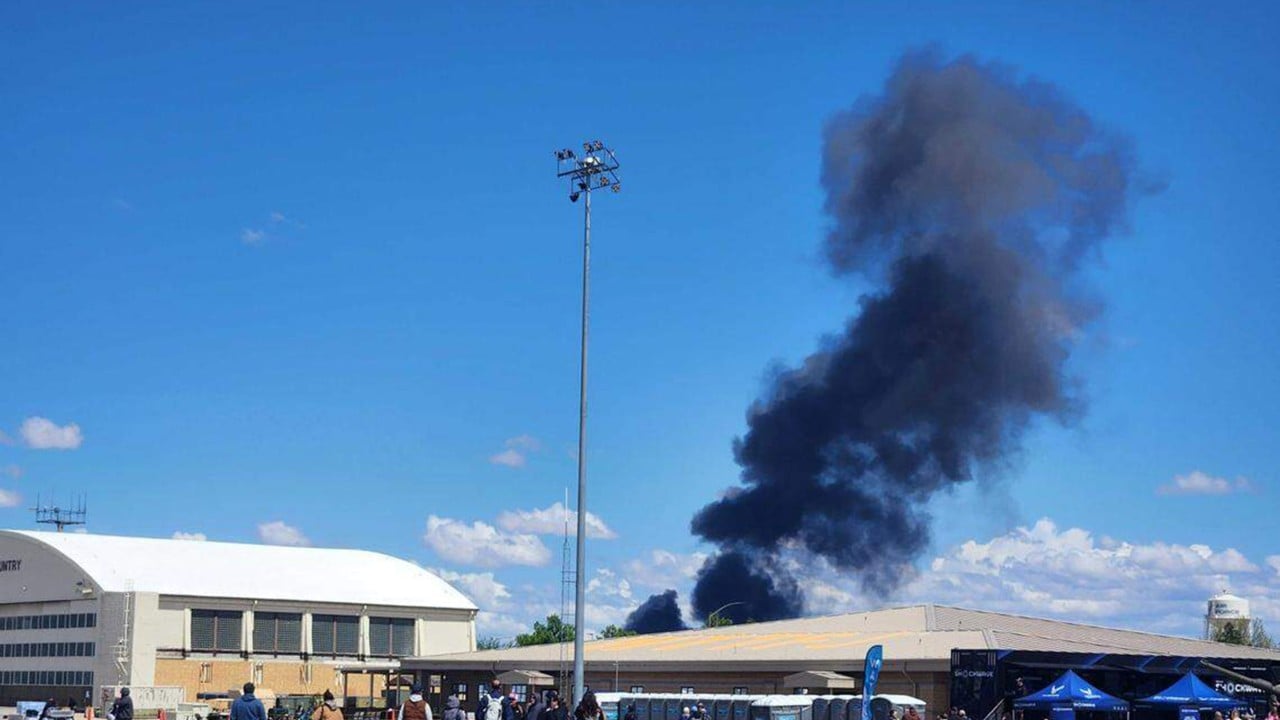
Emergency services arrived within minutes of the first reports around 2:30 PM local time, when a plume of black smoke rose from the desert edge near the plant, about 50 kilometers west of Abu Dhabi. Firefighters confirmed the blaze started after a drone crashed into a small outbuilding, not the reactor complex itself. The UAE’s National Emergency Crisis and Disaster Management Authority called it a “deliberate and dangerous act” in a statement released Sunday evening. They didn’t say who launched the drone, but pointed fingers at regional instability.
Witnesses described seeing a drone flying low before the explosion, followed by a bright flash and thick smoke. Videos posted online show orange flames licking the sky, silhouetting the plant’s signature containment domes in the background. The UAE shut down the main highway nearby as a precaution, causing traffic jams for hours. No injuries were reported, but the plant’s operator, Nawah Energy Company, confirmed a temporary power outage in parts of the facility.
Abu Dhabi blames regional threats
Within hours, the UAE government summoned Iran’s charge d’affaires in Abu Dhabi to protest what it called a “serious escalation.” The foreign ministry released a statement calling the drone strike an “unacceptable violation of sovereignty” and a threat to regional security. Iran hasn’t commented publicly, but Iran’s Revolutionary Guard has been blamed for recent attacks on Gulf shipping lanes and oil tankers using drones and missiles.
The timing couldn’t be worse. Iran and the U.S. just renewed a six-month ceasefire last week after months of tit-for-tat strikes that nearly triggered a wider conflict. The fragile truce relies on both sides holding fire, but Sunday’s attack shows how easily things could spiral. Analysts say the drone’s route suggests it came from the Persian Gulf, either from Iran or a proxy group operating in Yemen or Iraq.
Barakah plant remains safe but scrutiny rises
The Barakah plant started commercial operations in 2021 and is the first nuclear power station in the Arab world. It runs four South Korean-designed reactors with French fuel rods, generating about 25% of the UAE’s electricity. The UAE has invested $22 billion in the project to cut carbon emissions and reduce reliance on fossil fuels. After Sunday’s attack, officials stressed the plant’s safety systems worked as designed—no radiation leaks were detected, and the reactors were never at risk.
Still, the incident raises new questions about security. The plant sits in a remote desert area, but its location near shipping lanes and close to Iran makes it a potential target. The UAE has invested in drone defense systems, including radars and missile interceptors, but Sunday’s strike shows gaps in protection. Energy experts say the attack could delay future projects, as insurers and investors reassess risks in the region.
What happens next
The UAE has asked for an emergency meeting of the Gulf Cooperation Council to discuss regional security and drone threats. Meanwhile, the U.S. sent an envoy to Abu Dhabi on Monday to assess the situation, according to a State Department official. Iran’s foreign ministry called the accusations “baseless” but didn’t deny involvement, leaving analysts guessing about the next move.
For now, Barakah’s reactors are back online, but the plant’s security protocols are under review. The UAE also plans to strengthen drone detection systems along its coast, including radar networks and AI-powered tracking. The attack might be small, but it’s a reminder that the fragile ceasefire between Iran and the U.S. could shatter at any moment—with consequences no one wants to face.
What You Need to Know
- Source: France 24
- Published: May 17, 2026 at 20:46 UTC
- Category: World
- Topics: #france24 · #world-news · #europe · #war · #conflict · #drone
Read the Full Story
This is a curated summary. For the complete article, original data, quotes and full analysis:
All reporting rights belong to the respective author(s) at France 24. GlobalBR News summarizes publicly available content to help readers discover the most relevant global news.
Curated by GlobalBR News · May 17, 2026
Related Articles
- Czech beer consumption drops sharply as young drink less
- 🎉 500 Articles in World!
- 🎉 250 Articles in World!
🇧🇷 Resumo em Português
Um incêndio provocado por um ataque de drone nas proximidades da usina nuclear de Barakah, nos Emirados Árabes Unidos (EAU), acendeu o alerta para a segurança regional e reacendeu debates sobre vulnerabilidades em infraestruturas críticas no Oriente Médio. O incidente, ocorrido no domingo, levou Abu Dhabi a classificar a ação como uma grave ameaça à estabilidade da região, levantando suspeitas sobre possíveis atores não-estatais ou grupos insurgentes por trás do ataque. A usina de Barakah, a primeira do tipo no mundo árabe e operada em parceria com a Coreia do Sul, é um símbolo do ambicioso programa nuclear civil dos EAU, mas também um alvo potencial em um cenário geopolítico cada vez mais tenso.
Para o Brasil e os países de língua portuguesa, o episódio ressalta os riscos de uma escalada de conflitos assimétricos que transcendem fronteiras, especialmente em regiões produtoras de energia, como o Golfo Pérsico. O ataque ocorre em um momento de alta tensão entre Irã e Israel, com o primeiro acusando o segundo de responsabilidade indireta, enquanto grupos como os Hutis do Iêmen, aliados ao Irã, já haviam ameaçado atacar alvos nos EAU em retaliação a conflitos anteriores. A dependência brasileira de rotas comerciais que passam pela região — como o fornecimento de petróleo e a exportação de commodities — torna o tema relevante, pois qualquer desestabilização pode impactar preços e cadeias globais.
O caso deve intensificar discussões sobre a necessidade de proteção de infraestruturas estratégicas e o papel de potências regionais e internacionais na mediação de crises, enquanto os EAU investigam as origens do drone e as motivações por trás do ataque.
🇪🇸 Resumen en Español
Un dron impactó cerca de la central nuclear de Barakah en Emiratos Árabes Unidos, desatando llamas y encendiendo las alertas sobre la seguridad regional. El incidente, ocurrido el pasado domingo, ha sido calificado por Abu Dabi como un grave amenaza a la estabilidad del Golfo, reavivando el debate sobre la vulnerabilidad de infraestructuras críticas en un contexto geopolítico ya de por sí tenso.
El ataque, atribuido por las autoridades emiratíes a grupos apoyados por Irán, llega en un momento de máxima tensión en Oriente Medio, donde conflictos como la guerra en Gaza o las tensiones entre Israel y el grupo libanés Hezbolá mantienen en vilo a la comunidad internacional. Para los hispanohablantes, la noticia subraya los riesgos de una región clave en el suministro energético global y la necesidad de reforzar protocolos de protección ante posibles ciberataques o acciones con drones, que podrían replicarse en otras zonas con centrales nucleares. La estabilidad del Golfo no solo afecta a sus vecinos inmediatos, sino también a Europa y otras regiones dependientes del petróleo y el gas.
France 24
Read full article at France 24 →This post is a curated summary. All rights belong to the original author(s) and France 24.
Was this article helpful?

Discussion