Fed won’t cut rates soon because the 2-year Treasury is 50 basis points higher than the Fed funds rate.
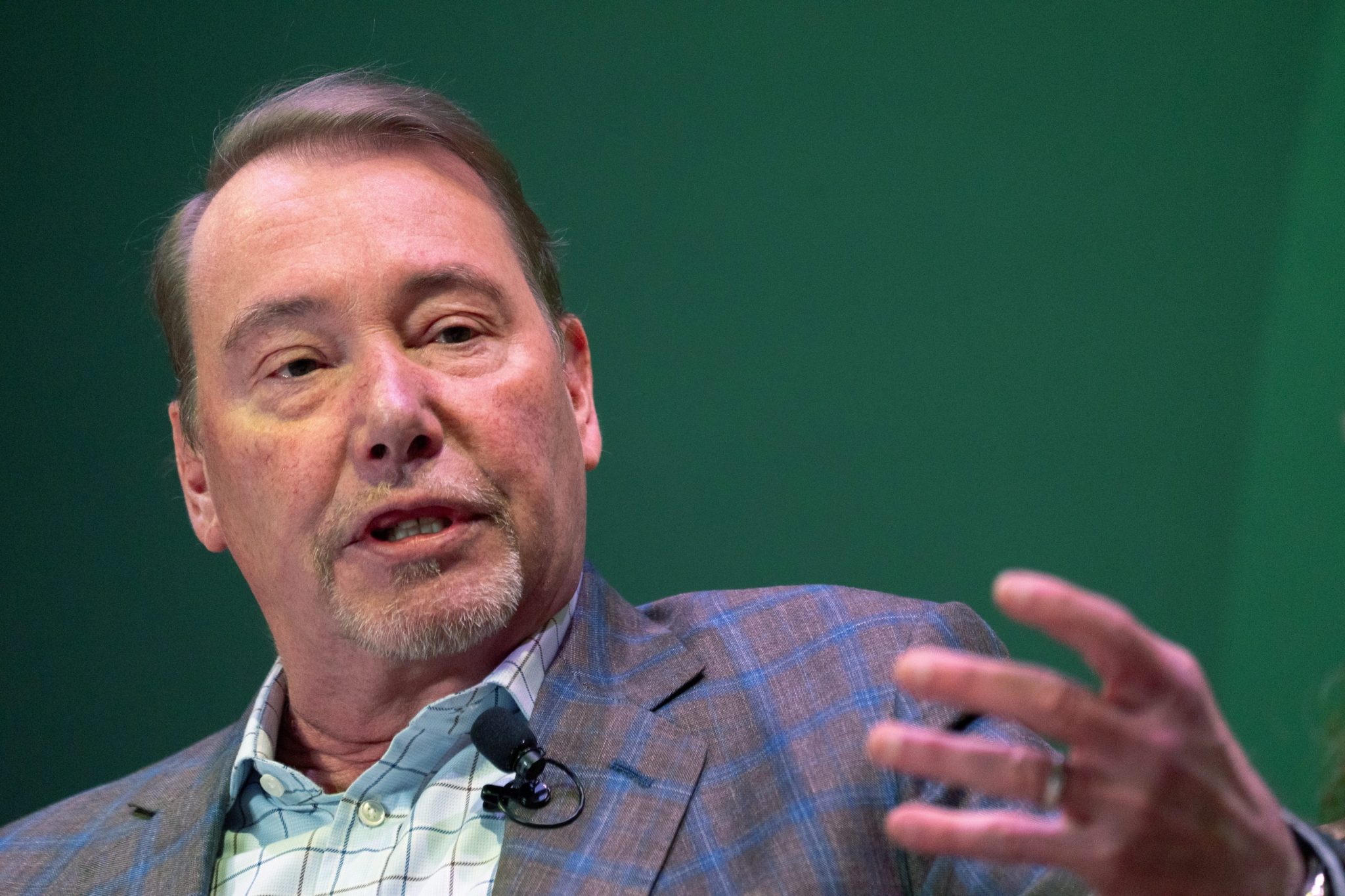
- Fed can't cut rates with 2-year Treasury 50 basis points above Fed funds rate
- Jeffrey Gundlach says inflation won't cooperate with rate cuts
- Iran war drove oil prices up, pushing April CPI to 3.8%
Billionaire investor Jeffrey Gundlach fired a warning shot at investors betting on Federal Reserve rate cuts this year. On Fox News’ Sunday Morning Futures, Gundlach said it’s ‘just not possible’ for the Fed to lower borrowing costs soon. His reasoning? The 2-year Treasury yield sits nearly 50 basis points above the Fed funds rate—a gap he called a red flag. ‘People were looking for two rate cuts this year,’ Gundlach said. ‘The inflation market has simply not cooperated.’
Gundlach’s comments come as inflation refuses to ease. The latest consumer price index CPI jumped 3.8% in April, the fastest pace since May 2023. He pinned the blame partly on the Israel-Hamas war in Gaza, which has disrupted oil supplies and driven prices higher. ‘With the Iran war sending oil prices surging,’ Gundlach said, ‘that bleeds into US inflation reports.’
Why the Fed’s hands are tied
The Federal Reserve’s next policy meeting is just weeks away. Traders had hoped for a rate cut to ease borrowing costs, but Gundlach’s warning suggests they’ll be disappointed. The 2-year Treasury yield—a key indicator of short-term rate expectations—is now at 5.15%, far above the Fed’s target rate of 4.65%. That spread makes rate cuts unlikely until inflation cools significantly.
New Fed chair Kevin Warsh is stepping into a rough spot. Confirmed in April, he inherits an economy where inflation is stubbornly high. Warsh, a former Fed governor, has signaled he won’t rush to lower rates. ‘It’s a tough time to take over,’ Gundlach said. ‘The Fed’s job just got harder.’
The Fed’s dilemma isn’t just about inflation. The labor market remains tight, with unemployment near historic lows. Wages are still rising, which keeps price pressures alive. Some economists argue the Fed might hold rates steady through summer to avoid reigniting inflation. Others warn that keeping rates high too long could slow the economy too much.
Gundlach, who runs DoubleLine Capital, isn’t alone in his skepticism. Other major investors, including BlackRock’s Larry Fink, have said rate cuts may not come as soon as markets expect. ‘The inflation genie is out of the bottle,’ Fink told CNBC last month. ‘It’s not going away anytime soon.’
What happens next? The Fed’s next policy decision is June 12. Until then, investors will watch every inflation report and oil price move. If oil keeps climbing—it’s up 15% since the start of the year—CPI could stay elevated. That would force the Fed to hold rates where they are, or even raise them again. For anyone waiting for cheaper loans, Gundlach’s message is clear: don’t hold your breath.
The bigger question is whether the Fed can pull off a soft landing—taming inflation without crushing growth. Recent data shows the economy is cooling, but not fast enough. Housing costs, a major driver of inflation, remain stubbornly high. Used car prices, another volatile sector, are rising again. Even food prices haven’t cooled much.
For now, the bond market is betting on just one rate cut this year, likely in December. But if inflation doesn’t cooperate, even that could be off the table. Gundlach’s forecast aligns with a growing view that the Fed’s next move might not be a cut—it could be another hold or hike. Traders are already pricing in a 30% chance the Fed raises rates by July, up from 20% a month ago.
What’s the takeaway for regular Americans? If you’re waiting for mortgage rates to drop or credit card APRs to fall, the timeline just got longer. Banks and lenders set rates based on long-term Treasury yields, which are stuck at these elevated levels. That means loans—from mortgages to car loans—will stay pricey for a while.
What You Need to Know
- Source: Fortune
- Published: May 17, 2026 at 20:37 UTC
- Category: Business
- Topics: #fortune · #business · #economy · #war · #conflict · #gundlach
Read the Full Story
This is a curated summary. For the complete article, original data, quotes and full analysis:
All reporting rights belong to the respective author(s) at Fortune. GlobalBR News summarizes publicly available content to help readers discover the most relevant global news.
Curated by GlobalBR News · May 17, 2026
Related Articles
- Zillow’s remote-only hiring brings in talent from all 50 states
- Your fixed mortgage payment keeps rising — here’s why
- Why working-class voices matter for UK culture and media
🇧🇷 Resumo em Português
O Federal Reserve (Fed) pode adiar os cortes de juros nos Estados Unidos após o título do Tesouro de dois anos atingir uma diferença de 50 pontos-base em relação à taxa de juros do banco central. Essa dinâmica sinaliza uma cautela maior do Fed em relação ao ritmo de flexibilização monetária, mesmo com pressões inflacionárias persistentes e volatilidade nos mercados globais.
A notícia ganha relevância para o Brasil porque reflete um cenário de incerteza nos mercados internacionais, o que pode influenciar diretamente as decisões do Banco Central brasileiro. Se o Fed mantiver uma postura mais rígida, o câmbio e os juros no Brasil podem sofrer pressões adicionais, especialmente em um contexto de alta dos preços do petróleo, que já pressiona a inflação global. Além disso, a dependência brasileira de capitais estrangeiros torna o país mais vulnerável a mudanças bruscas na política monetária norte-americana.
No curto prazo, investidores e formuladores de políticas públicas devem monitorar de perto não só as sinalizações do Fed, mas também os desdobramentos geopolíticos que impactam os preços do petróleo.
🇪🇸 Resumen en Español
La Reserva Federal de EE.UU. podría posponer sus esperadas bajadas de tipos de interés ante el repunte del bono del Tesoro a dos años, que supera en medio punto porcentual al tipo de referencia, una señal de alerta para los mercados.
El diferencial de 50 puntos básicos entre el bono a dos años y el tipo de interés oficial refleja las dudas sobre la capacidad de la Fed para relajar su política monetaria en un contexto de inflación persistentemente alta y tensiones geopolíticas. Expertos como Jeffrey Gundlach advierten que, con los precios del petróleo en alza y una economía aún robusta, cualquier recorte prematuro podría avivar más la inflación y erosionar la confianza en el dólar, afectando directamente a los ahorradores y a los países hispanohablantes con economías dependientes de las importaciones energéticas.
Fortune
Read full article at Fortune →This post is a curated summary. All rights belong to the original author(s) and Fortune.
Was this article helpful?



Discussion