Anthropic tells US to block China’s AI access by 2028 with tighter chip export rules and model bans.
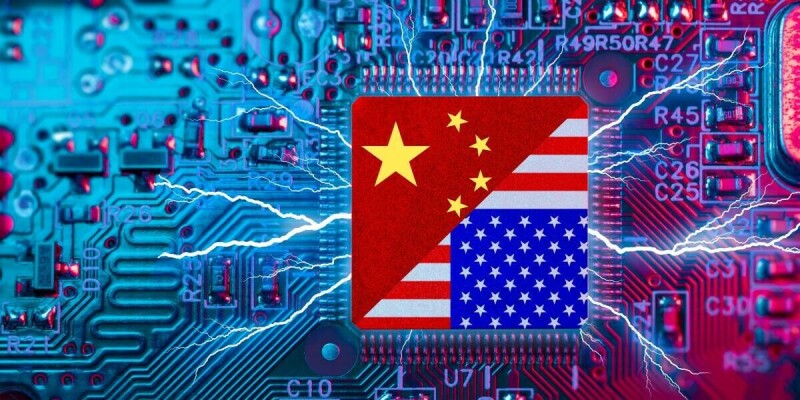
- Anthropic pushes for tighter chip export controls by 2028
- Company warns China’s AI lead could hurt democratic countries
- San Francisco-based AI firm calls for blocking US AI models in China
Anthropic, the San Francisco-based AI startup behind the Claude chatbot, just dropped a 12-page paper begging Washington and its allies to slam the brakes on China’s AI ambitions. The company says the next two years are critical—whoever builds the most capable AI first will dominate the global economy and politics for decades. If ‘authoritarian governments’ get there first, the report argues, the results won’t end well for democracies. The clock’s ticking, and Anthropic’s not mincing words about what needs to happen next. The company’s CEO, Dario Amodei, isn’t just some policy wonk; he spent years at Google DeepMind and knows the tech cold. His message is blunt: democratic nations have a narrow window to act before China’s AI catches up or surpasses US systems. The firm’s paper reads like a mix of technical warning and political alarm bell, calling out the same tools we’ve heard about for years—Nvidia’s GPUs, advanced AI models, cloud access—but with a fresh urgency tied to the 2028 timeline. The core demand? Tighten export controls on AI chips like Nvidia’s H100 and A100 GPUs, which China still imports despite US restrictions. Anthropic also wants to cut off Chinese access to American AI models entirely. No gray market loopholes. No exceptions. The company’s not just crying wolf either. It points to China’s rapid progress in AI research, its growing number of top-tier AI labs, and its aggressive push to train massive models on cheaper, homegrown hardware. Anthropic’s data shows Chinese researchers now publish more AI papers than Americans in key conferences like NeurIPS and ICML. That shift isn’t just about bragging rights—it’s about who sets the rules for the next industrial revolution. ## The US already has some tools, but Anthropic says they’re not enough. Washington’s tried to slow China down with export bans on advanced chips, but loopholes let some slip through. Anthropic’s fix? Close those gaps fast. The company wants to expand the list of restricted chips, enforce stricter end-user checks, and penalize companies that help China skirt the rules. It also pushes for a global coalition of democracies to align on AI controls, so no one country gets played. The timing here isn’t random. China’s racing to build its own chip ecosystem with companies like Semiconductor Manufacturing International Corporation pushing 7nm production. If China masters its own high-end chips, US export controls become a lot less effective. Anthropic’s warning is simple: act now or lose the AI edge. The company’s not alone in this fight. Other US AI labs like OpenAI and Google DeepMind have echoed similar concerns, though none have put a hard deadline on the risk. Anthropic’s 2028 timeline stands out because it’s short, specific, and tied to real-world milestones. Its report even cites internal projections showing China could match US AI capabilities in as little as four years if current trends hold. That’s not a forecast you ignore. ## What happens if the US ignores the warning? Anthropic sketches a grim picture. If China leads in AI, the report warns, authoritarian governments could use the tech to tighten surveillance, censor dissent, and manipulate elections globally. It cites examples like China’s social credit system and its use of AI to track Uyghur Muslims, arguing these tools could spread if China’s models become the global standard. The economic stakes are just as high. The firm estimates that the first country to dominate AI could capture a third of the projected $15.7 trillion AI-driven economic boost by 2030. That’s trillions of dollars—and political influence—that the US would lose if it falls behind. Anthropic’s paper also drops hints about what America should do instead of just restricting China. It calls for massive investments in domestic AI infrastructure, more funding for AI safety research, and a push to make US AI models more transparent and auditable. The idea? Win the AI race by outbuilding China, not just out-banning it. The big question now is whether Washington listens. The Biden administration’s already signaled it’s willing to get tougher on China tech, but bureaucracy moves slow. Anthropic’s CEO has ties to policymakers, but turning a 12-page report into federal policy won’t be easy. The clock’s already ticking. By 2028, the AI landscape might look entirely different—and not in a way democracies will like.
What You Need to Know
- Source: The Register
- Published: May 15, 2026 at 13:33 UTC
- Category: Technology
- Topics: #theregister · #tech · #enterprise · #anthropic · #uncle-sam
Read the Full Story
This is a curated summary. For the complete article, original data, quotes and full analysis:
All reporting rights belong to the respective author(s) at The Register. GlobalBR News summarizes publicly available content to help readers discover the most relevant global news.
Curated by GlobalBR News · May 15, 2026
Related Articles
- XS 1.2.26: A single binary that runs anywhere, no runtime needed
- Sam Altman’s trust on trial as Elon Musk sues OpenAI
🇧🇷 Resumo em Português
O Brasil precisa prestar atenção: até 2028, a disputa pela liderança global em inteligência artificial pode definir não só o futuro da economia, mas também a soberania tecnológica de países como o nosso. A gigante americana Anthropic, uma das principais desenvolvedoras de IA no mundo, lançou um alerta contundente ao governo dos Estados Unidos: é urgente barrar o avanço chinês no setor, restringindo a exportação de chips avançados, como os da Nvidia, e limitando o acesso de Pequim aos modelos mais poderosos de IA desenvolvidos no Ocidente.
A preocupação não é exagerada. A China tem investido pesadamente em IA, e o controle de tecnologias críticas como os GPUs da Nvidia — essenciais para treinar e rodar modelos de linguagem — pode ser a diferença entre manter a dianteira ou perder o jogo para o gigante asiático. Para o Brasil, que ainda engatinha em políticas públicas de inovação tecnológica, a notícia reforça um alerta: sem uma estratégia clara para desenvolver nossa própria capacidade em IA, podemos ficar reféns de decisões tomadas lá fora, seja pela via das sanções comerciais ou da dependência de fornecedores estrangeiros.
Se os EUA seguirem as recomendações da Anthropic, o mundo da IA pode entrar em uma nova fase de protecionismo tecnológico — e o Brasil precisa correr para não ficar para trás.
🇪🇸 Resumen en Español
La carrera global por el dominio de la inteligencia artificial ha puesto en alerta a Estados Unidos, que ahora enfrenta una urgente advertencia: frenar el avance tecnológico de China antes de 2028 para no perder su hegemonía en este sector estratégico. Anthropic, una de las empresas líderes en IA, ha instado a Washington a reforzar las restricciones a la exportación de chips avanzados, como los de Nvidia, como medida clave para evitar que Pekín acceda a modelos de inteligencia artificial de última generación que podrían alterar el equilibrio geopolítico.
La relevancia de esta petición radica en que China, pese a los embargos actuales, sigue escalando en innovación tecnológica, lo que amenaza la ventaja competitiva de EE.UU. y sus aliados. Para los hispanohablantes, el debate trasciende lo técnico: implica desde la seguridad nacional hasta el acceso a herramientas de IA que podrían redefinir industrias enteras. La decisión de Washington no solo afectará a la competencia global, sino también a los usuarios y empresas en países como España y Latinoamérica, donde la adopción de estas tecnologías depende en gran medida de los avances —o retrocesos— en el tablero internacional.
The Register
Read full article at The Register →This post is a curated summary. All rights belong to the original author(s) and The Register.
Was this article helpful?


Discussion