Jens Spahn keeps rising despite controversies, now leading Germany’s CDU in parliament and eyeing the chancellery someday.
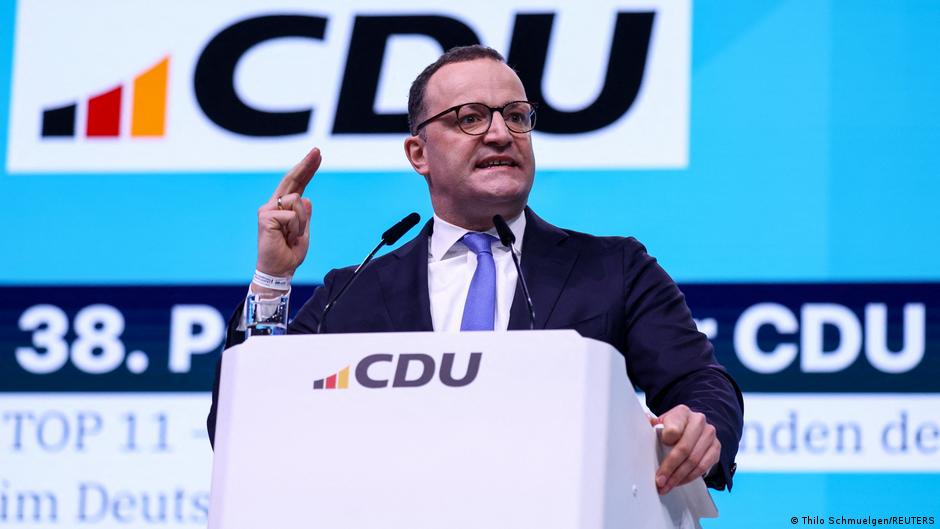
- Jens Spahn leads Germany’s conservative CDU in parliament after winning 85% re-election vote
- Former COVID-era health minister faced investigation over public money misuse but charges were dropped
- Spahn lost 2018 CDU leadership race to Annegret Kramp-Karrenbauer but remains a key player
Jens Spahn still has the itch to climb. At 45, the CDU firebrand just won his second term as leader of his party’s parliamentary group, collecting 85% of the vote in a secret ballot this week. The job puts him in charge of the biggest opposition bloc in Germany’s parliament, the Bundestag, and puts him one step closer to a chancellery run he’s quietly dreamed about for years. That ambition hasn’t dimmed, even after scandals, investigations, and the kind of polling numbers that usually end careers. This isn’t some quiet backbencher’s promotion. Spahn’s climb has been loud, combative, and full of sharp elbows from the start. He was only 35 when he became Germany’s health minister in 2018, the youngest in modern history. The pandemic handed him the biggest crisis of his career, and he stepped into it with the kind of confidence that made allies nervous and critics furious. The job also left him under a legal cloud. State prosecutors investigated him over whether he misused public funds to promote a book deal during the pandemic. Those charges were eventually dropped, but the shadow lingered. For a politician who’s spent his career selling himself as the future of the right, the stain didn’t stick. Not yet, anyway. Not enough to stop his party from handing him the top job in parliament anyway. That tells you something about the CDU right now. The party’s been in the political wilderness since Angela Merkel’s 2021 exit, and the bench isn’t deep. Friedrich Merz, the party boss, is polling worse than Spahn, which isn’t a great look for either man. Merz survived a leadership challenge from Spahn in 2018, but the party’s base clearly hasn’t forgotten the bruises. Spahn’s rise has been a mix of raw talent and ruthless calculation. He cut his teeth in Merkel’s CDU, but he’s always been more of a Merkel critic than a Merkel loyalist. When she pushed Annegret Kramp-Karrenbauer as party leader in 2018, Spahn openly challenged her. He lost decisively, but the fight proved he wasn’t going anywhere. After years of playing second fiddle in the party, he’s now calling the shots in parliament. That’s power, even if it feels a bit like inheriting a sinking ship. His leadership style is blunt, direct, and often polarizing. He’s not the kind of politician who wins over doubters with charm. He wins by being loud, by taking clear positions, and by making sure everyone knows where he stands. That’s worked for him in the past, but the numbers suggest it might not be enough anymore. A recent poll put Spahn at the bottom of Germany’s popularity rankings, below Merz and even some far-left figures. That’s not a death knell, but it’s a warning sign. The CDU’s base is aging, its message is stale in some quarters, and the party’s struggling to connect with younger voters who don’t remember Merkel’s era. Spahn’s trying to fix that. He’s pushing a harder line on immigration, climate policy, and Germany’s role in Europe. He’s also been a vocal critic of the current government’s handling of the economy and energy crisis. But so far, the public isn’t buying it. The next federal election isn’t until 2029, but the CDU’s already gearing up for a fight. Spahn’s parliamentary leadership is a test case. If he can turn the party’s fortunes around, he’ll have a shot at the top job. If he can’t, his political career might stall right here. For now, Spahn’s playing the long game. He’s been written off before, only to bounce back stronger. He’s outlasted rivals, survived scandals, and kept his ambitions alive. But the clock is ticking. Germany’s voters are restless, and the CDU’s running out of time to prove it still has a future.
What You Need to Know
- Source: Deutsche Welle
- Published: May 05, 2026 at 15:02 UTC
- Category: World
- Topics: #europe · #world-news · #politics · #government · #germany
Read the Full Story
This is a curated summary. For the complete article, original data, quotes and full analysis:
All reporting rights belong to the respective author(s) at Deutsche Welle. GlobalBR News summarizes publicly available content to help readers discover the most relevant global news.
Curated by GlobalBR News · May 05, 2026
Related Articles
- Czech beer consumption drops sharply as young drink less
- UN warns of global housing gap as ministers meet in Baku
- 🎉 500 Articles in World!
🇧🇷 Resumo em Português
A Alemanha acorda sob o comando de uma figura polêmica que divide opiniões dentro e fora do país: Jens Spahn, líder do partido União Democrata-Cristã (CDU) e um nome que já ocupou o Ministério da Saúde, acumula polêmicas, mas segue firme em sua trajetória política. Com um estilo controverso e uma carreira marcada por escândalos, Spahn agora tenta consolidar sua liderança em um momento crucial para a maior economia europeia.
Ex-ministro da Saúde durante a pandemia, Spahn foi alvo de críticas por sua gestão da crise sanitária e por supostas irregularidades em contratos públicos, como a compra de máscaras. Seu nome, no entanto, ressoa além das fronteiras alemãs, especialmente no Brasil, onde a discussão sobre políticas de saúde pública e gestão de crises sanitárias ganha cada vez mais relevância. Para o público brasileiro, a trajetória de Spahn serve como um estudo de caso sobre os desafios de liderar em tempos de incerteza, além de levantar questões sobre ética e transparência no setor público.
Se Spahn conseguirá transformar suas ambições em realidade política ou se as controvérsias o afastarão do poder ainda é uma incógnita, mas seu nome certamente seguirá em evidência nos próximos capítulos da política alemã.
🇪🇸 Resumen en Español
El líder de la CDU alemana, Jens Spahn, se ha convertido en una figura clave en la política europea, donde su ambición choca con un pasado marcado por polémicas que aún resuenan en el escenario germano.
Exministro de Sanidad, Spahn ha acumulado tanto seguidores como detractores dentro de su partido por su estilo directo y sus posturas controvertidas, desde su gestión durante la pandemia hasta sus declaraciones sobre inmigración y economía. Con aspiraciones de liderar Alemania, su figura divide a la opinión pública alemana y europea, especialmente entre los hispanohablantes, donde su enfoque conservador genera debates sobre el futuro del conservadurismo en el continente.
Deutsche Welle
Read full article at Deutsche Welle →This post is a curated summary. All rights belong to the original author(s) and Deutsche Welle.
Was this article helpful?


Discussion