Hong Kong should let anyone buy a ride-hailing license if they own an electric car.
- Hong Kong limits ride-hailing licenses for no good reason
- Electric vehicle owners should get licenses on demand
- Fees and market forces can control growth better than caps
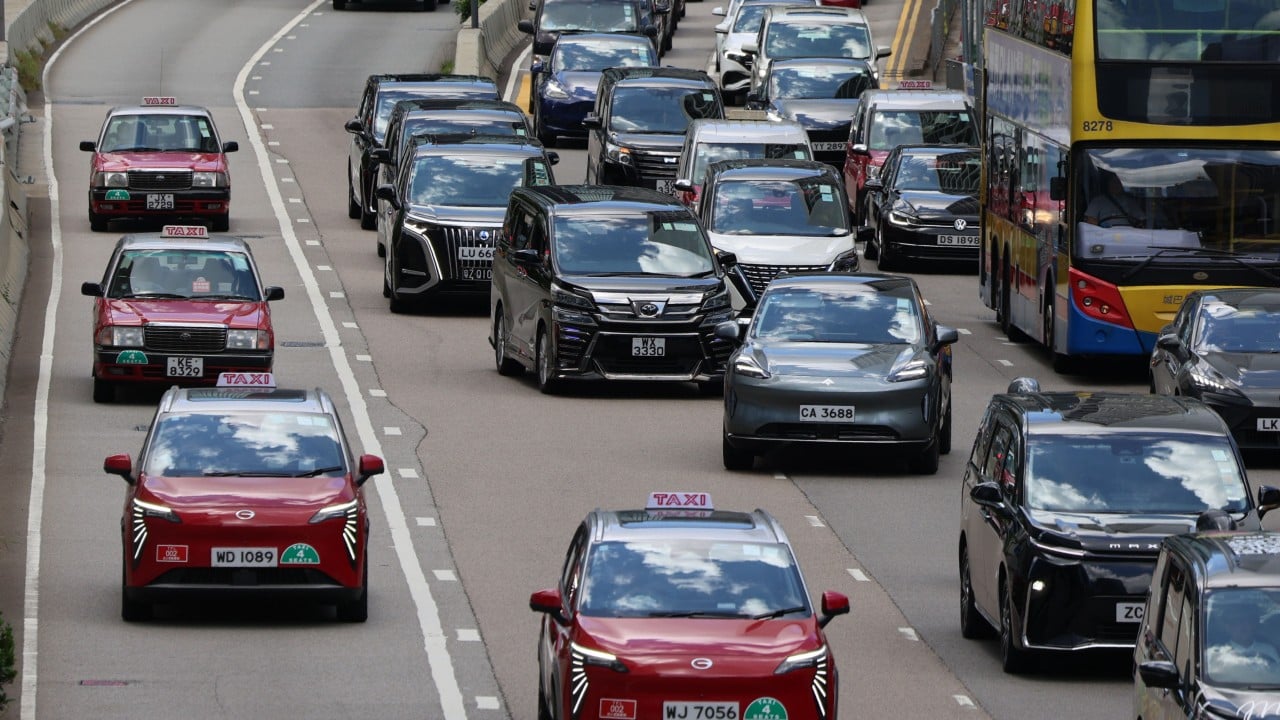
I’ve used ride-hailing services a lot lately. After knee replacement surgery, walking’s tough and public transport is a hassle. Ride-hailing lets me get around without pain or delays. But in Hong Kong, getting a license to drive for Uber or other apps isn’t easy—there’s a strict cap on how many can operate. That cap doesn’t make sense when you need more options, not fewer. Especially for electric cars, which help cut pollution and fit Hong Kong’s green goals. The government should drop these limits and let anyone with a compliant electric vehicle buy a license for a set fee. That’s fair and practical. Right now, the Transport Department hands out ride-hailing licenses like rare collectibles. They’ve issued just 4,000 for all of Hong Kong, even though demand’s rising fast. That’s not enough. The cap was set years ago when ride-hailing was new. Now it’s a big part of how people move around. Hong Kong has over 800,000 private cars, but only a fraction can work as ride-hails. That’s silly when you consider how many drivers want in and how many riders get turned away during rush hour. Last month, I waited 20 minutes for a ride at 7 p.m. in Central. The app showed no cars nearby—just a spinning icon. That’s not good enough for a city that prides itself on efficiency. ## The cap punishes regular people, not just drivers Hong Kong’s cap hurts ordinary users most. Tourists and locals alike get frustrated when apps show no cars available. But the cap also traps drivers in a rigged system. If you want to upgrade from a regular license to a ride-hailing one, you often have to buy a used license from someone else—sometimes for over HK$1 million. That’s a barrier no one should face. It turns a simple business move into a gamble. Why? Because the government artificially restricts supply. In Singapore, ride-hailing licenses cost about SG$100 and renew annually. No million-dollar gamble. Just a small fee. That’s the model Hong Kong should copy. ## Fees and rules can control chaos better than caps Ride-hailing’s not a free-for-all. The government already sets rules on insurance, vehicle age, and driver background checks. Adding a modest annual fee—say HK$5,000 per license—would let the market grow while keeping things orderly. Extra fees could fund better roads or public transport upgrades. The city’s already struggling with congestion. More ride-hailing cars could make it worse, but caps don’t solve that. They just create black markets. Drivers who can’t get legal licenses work illegally. That’s worse for everyone—unsafe cars, uninsured rides, and no oversight. Singapore uses fees to balance growth. Their ride-hailing sector’s booming, but they’ve avoided the chaos Hong Kong fears. It’s proof that caps aren’t the only way. ## Electric vehicles should get priority slots Hong Kong wants 100,000 electric vehicles on the road by 2035. Ride-hailing’s a perfect place to push that goal. Electric cars cut emissions and noise, two big problems in a dense city. But the current cap doesn’t favor them. Why not? Drivers with Teslas or BYDs shouldn’t face the same hurdles as someone with a 15-year-old petrol car. The government could waive or slash fees for electric ride-hails. That’d speed up adoption and show real commitment to green transport. Plenty of drivers are ready to switch. Last year, electric car sales jumped 60% in Hong Kong. Yet ride-hailing licenses for them? Still stuck under the same old cap. ## What happens next? The Transport Department’s reviewing ride-hailing rules right now. They’ve hinted at relaxing some limits but haven’t said how far they’ll go. The public should push for real change—not half-measures. If they keep the cap, expect more complaints from riders, more illegal drivers, and slower progress on pollution goals. If they drop the cap and use smart fees, Hong Kong could finally have a ride-hailing system that works for everyone. I’d love to see that. In the meantime, I’ll keep hoping my next ride shows up before my knee does.
What You Need to Know
- Source: SCMP
- Published: May 17, 2026 at 21:30 UTC
- Category: World
- Topics: #scmp · #asia · #china · #world-news · #gadgets
Read the Full Story
This is a curated summary. For the complete article, original data, quotes and full analysis:
All reporting rights belong to the respective author(s) at SCMP. GlobalBR News summarizes publicly available content to help readers discover the most relevant global news.
Curated by GlobalBR News · May 17, 2026
Related Articles
- Czech beer consumption drops sharply as young drink less
- UN warns of global housing gap as ministers meet in Baku
- 🎉 500 Articles in World!
🇧🇷 Resumo em Português
A capital financeira da Ásia se prepara para apertar ainda mais os cintos no trânsito, mas agora com uma medida controversa que pode sufocar quem depende de aplicativos de transporte para sobreviver. Hong Kong anunciou que vai impor limites rígidos ao número de licenças para motoristas de ride-hailing, uma decisão que reacende o debate sobre regulação versus liberdade no mercado de mobilidade urbana.
A proposta, que restringe a emissão de novas licenças para serviços como Uber e Didi, surge em um momento em que a cidade enfrenta congestionamentos crescentes e pressão por redução de emissões de carbono. Para o Brasil, onde cidades como São Paulo e Rio de Janeiro também lutam contra o caos no trânsito e a informalidade em serviços de transporte, a discussão é especialmente relevante. Enquanto Hong Kong aposta em cotas para evitar a saturação do mercado, especialistas brasileiros questionam se a medida não poderia, na prática, beneficiar apenas grandes empresas em detrimento de motoristas autônomos e da concorrência. A decisão final do governo local, prevista para os próximos meses, pode servir de exemplo — ou de alerta — para outras metrópoles globais.
Se o limite for aprovado, o próximo passo será observar como a população reagirá e se a cidade conseguirá equilibrar o controle do trânsito com a demanda por serviços acessíveis.
🇪🇸 Resumen en Español
Hong Kong estudia flexibilizar las licencias para vehículos de transporte bajo demanda, pero mantiene un límite que genera polémica.
La propuesta del gobierno hongkonés de imponer restricciones al número de licencias para servicios de ride-hailing amenaza con ahogar la competencia en un sector en auge, especialmente para los nuevos vehículos eléctricos. Tras años de debate, las autoridades insisten en mantener un tope que, según los críticos, beneficia a los operadores tradicionales y frena la innovación en un mercado cada vez más demandado por los usuarios.
La decisión choca con las demandas de los propietarios de coches eléctricos, que ven en esta medida una barrera para su participación en la economía colaborativa, clave en la transición hacia una movilidad más sostenible. Para los hispanohablantes, el caso refleja tensiones globales entre regulación y libre mercado, donde el equilibrio entre congestión urbana y acceso a servicios digitales se vuelve cada vez más complejo. Mientras Europa avanza en liberalizar el sector, Hong Kong se debate entre proteger su modelo tradicional o adaptarse a las nuevas realidades tecnológicas.
SCMP
Read full article at SCMP →This post is a curated summary. All rights belong to the original author(s) and SCMP.
Was this article helpful?


Discussion