Tropical forest loss fell 35% from 2024-25 after extreme fires, but remains 46% above 2015 levels.
- Tropical primary forest loss fell 35% from 2024-25 after record fires.
- Brazil and Colombia led the drop in forest loss.
- Loss remains 46% higher than 2015 levels despite the decline.
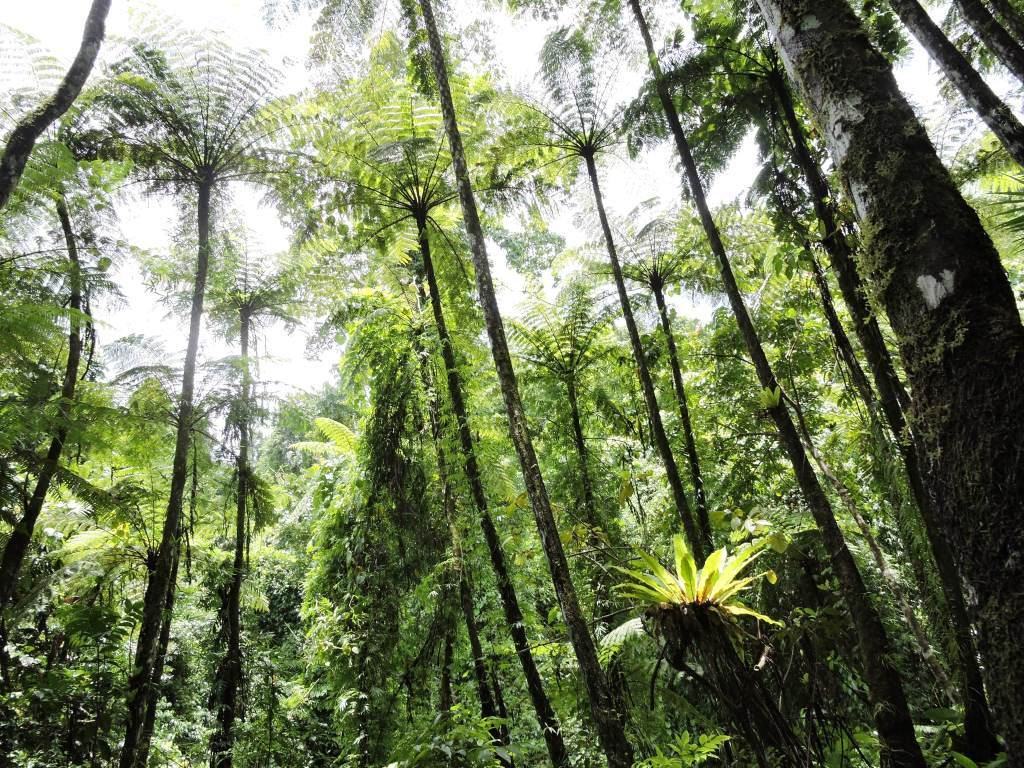
Tropical primary forest loss dropped by 35% from 2024 to 2025, the latest Global Forest Review reports. The decline followed last year’s record-breaking fires, which torched vast areas in the Amazon and Southeast Asia. Primary forests—those untouched or barely altered by humans—still disappeared at a rate 46% higher than a decade ago, according to the World Resources Institute (WRI), which co-produced the report.
The sharp drop wasn’t because deforestation slowed everywhere. Brazil and Colombia accounted for most of the improvement, with both countries enforcing stricter protections. In Brazil, enforcement teams cracked down on illegal logging in the Amazon, while Colombia expanded Indigenous land rights to shield forests. Other hotspots, like Indonesia and the Democratic Republic of Congo, saw smaller changes, meaning the global reduction could reverse if conditions shift.
Why last year’s fires made the difference
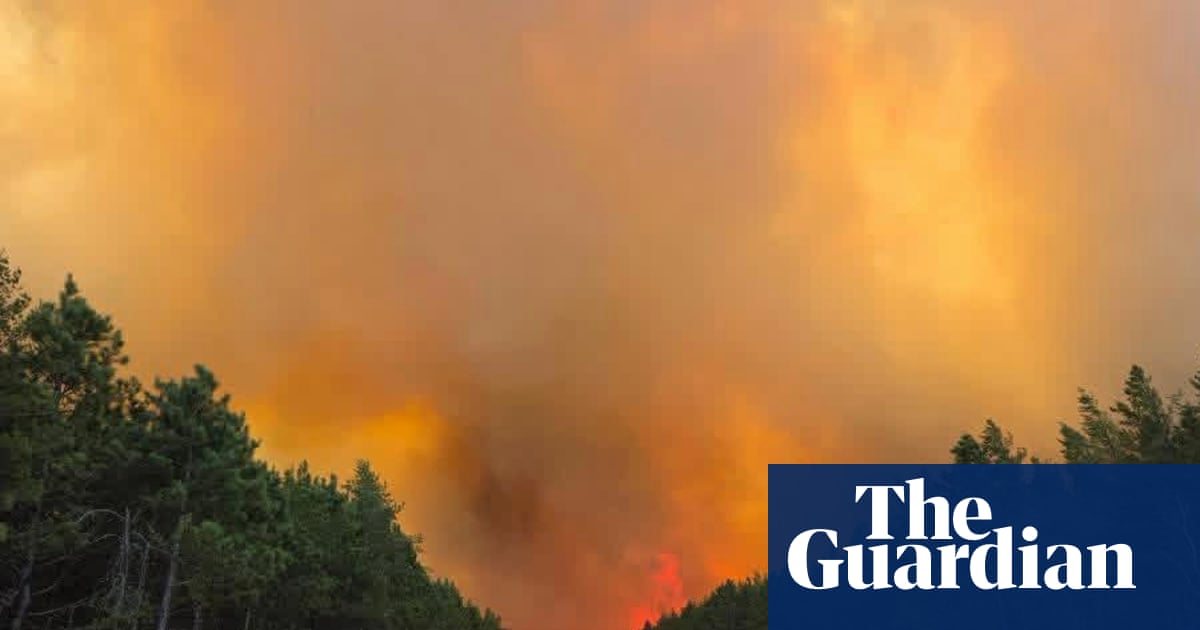
Last year’s fires weren’t just big—they were extraordinary. Drought and heat waves turned forests into tinderboxes, especially in the Amazon and Southeast Asia. The fires burned so fiercely that even in countries with high deforestation rates, like Brazil, the sheer scale of destruction made 2024 an outlier. This year’s numbers look better by comparison, but experts warn against celebrating too soon. “The drop is mainly a rebound from last year’s extremes,” said a WRI analyst. “We’re still losing forests far faster than we should.”
The report defines primary forests as those with no significant human interference. These ecosystems store massive amounts of carbon and host unique biodiversity. Losing them accelerates climate change and threatens species found nowhere else. The Amazon alone holds 10% of the world’s known species, many of which live only in primary forests.
Deforestation regulations gain ground—but enforcement lags
Governments tightened deforestation rules in several countries, but gaps remain. The European Union’s 2023 deforestation law bans imports tied to illegal logging, which has pushed companies to audit their supply chains. Brazil’s soy moratorium, reinstated in 2025 after a brief pause, now covers 98% of the Amazon soy crop. Still, loopholes persist. In the Congo Basin, weak governance lets illegal miners and loggers operate with little consequence.
Indigenous groups continue to be the most effective forest protectors. In Brazil’s Yanomami territory, deforestation dropped 50% after the government evicted illegal miners. Similar trends appear in Colombia’s Amazon Trapeze, where Indigenous reserves now cover 50% of the region’s forests. But funding for these communities often falls short, leaving them vulnerable to poachers and land grabbers.
What happens next depends on whether these trends hold. If fires stay mild and enforcement stays strong, losses could keep falling. But climate change is making extreme weather more likely, which means future fire seasons could dwarf last year’s. The Global Forest Review’s authors stress that the 35% drop is a blip, not a victory. “We’re still losing forests at a pace that’s unsustainable,” they wrote. Until losses drop below 2015 levels—and stay there—the world isn’t winning this fight.
What You Need to Know
- Source: Carbon Brief
- Published: May 06, 2026 at 15:57 UTC
- Category: Environment
- Topics: #climate · #environment · #carbon · #deforestation · #cropped · #forest
Read the Full Story
This is a curated summary. For the complete article, original data, quotes and full analysis:
All reporting rights belong to the respective author(s) at Carbon Brief. GlobalBR News summarizes publicly available content to help readers discover the most relevant global news.
Curated by GlobalBR News · May 06, 2026
Related Articles
🇧🇷 Resumo em Português
O Brasil registrou uma queda histórica no desmatamento da Amazônia entre 2024 e 2025, com a perda de florestas primárias tropicais caindo 35% em comparação ao ano anterior, segundo o Global Forest Review (GFR). A redução veio após um período de incêndios extremos que devastaram grandes áreas, mas os números ainda permanecem 46% acima dos níveis de 2015, um marco preocupante para a preservação da biodiversidade e a luta contra as mudanças climáticas. O país se destacou como um dos principais responsáveis por essa melhora, impulsionada por políticas de fiscalização mais rígidas e pressão internacional, mas o desafio de reverter décadas de degradação ainda exige ações contínuas e eficazes.
A notícia ganha relevância no cenário brasileiro não apenas pela queda nos números, mas pela esperança de recuperação de ecossistemas críticos, como a Amazônia e a Mata Atlântica. Para os leitores de língua portuguesa, especialmente aqueles engajados em causas ambientais, o dado reforça a importância de manter as políticas de proteção florestal em alta, evitando retrocessos como os vistos em governos anteriores. Além disso, o Brasil, que abriga a maior biodiversidade do planeta, precisa equilibrar desenvolvimento econômico e conservação, um debate que ganha urgência diante da crise climática global.
Resta saber se a tendência de redução do desmatamento se sustentará nos próximos anos ou se será apenas um reflexo de condições temporárias, como a diminuição dos incêndios por fatores climáticos.
Carbon Brief
Read full article at Carbon Brief →This post is a curated summary. All rights belong to the original author(s) and Carbon Brief.
Was this article helpful?


Discussion