China’s top Taiwan scholar says Xi’s message to Trump shows Beijing’s Taiwan stance hasn’t changed one bit.
- China says Taiwan is its territory and won’t budge on reunification
- Xi told Trump no change in Beijing’s Taiwan approach at their summit
- Wu Yongping says peaceful reunification remains Beijing’s goal but timing is unclear
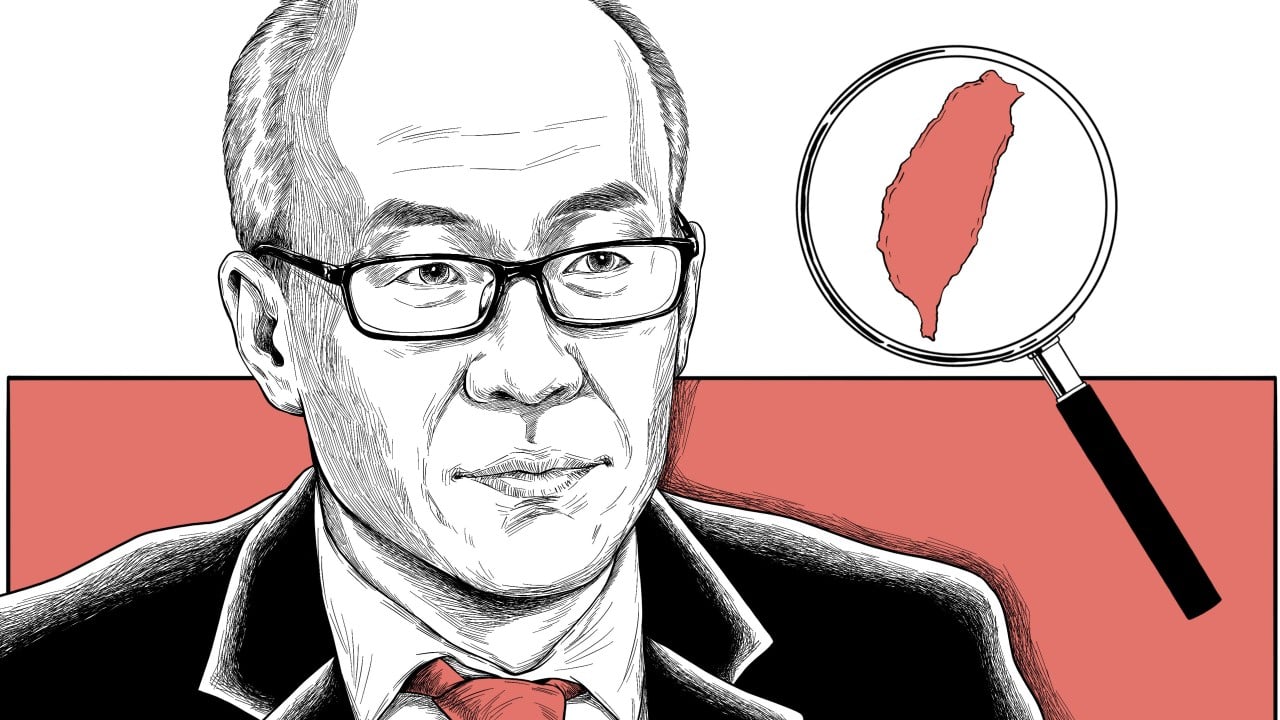
China’s most influential Taiwan policy voice Wu Yongping just laid out what President Xi Jinping’s message to Donald Trump really means for Taiwan. Wu, dean of the Institute for Taiwan Studies at Tsinghua University in Beijing, says Xi made something crystal clear during their summit: Beijing still considers Taiwan part of China and won’t accept any moves toward formal independence. That’s not new, but Wu’s explanation shows how Beijing plans to keep pushing its position without blinking—even as U.S.-China tensions stay high over trade, tech, and Taiwan itself.
Xi’s Taiwan message to Trump: no surprises, no softening
Wu says Xi’s comments to Trump weren’t just diplomatic niceties. The Chinese leader told the former U.S. president that Taiwan is a “core interest” for Beijing, meaning it’s non-negotiable. Wu points out that Beijing’s language hasn’t changed for decades: reunification is the goal, but the method—peaceful—is the only option China’s willing to discuss right now. Wu warns that any push toward Taiwan declaring formal independence would trigger immediate military action from Beijing. That’s not a threat he’s making up—it’s China’s official policy, spelled out in a 2005 anti-secession law.
China’s state media has already amplified Xi’s remarks, with CCTV calling Taiwan’s reunification “historically inevitable” in their coverage. But Wu says the timing of that reunification isn’t set in stone. He tells us that Beijing’s approach depends on three things: how much Taiwan leans toward independence, how strong U.S. support stays for Taipei, and whether China’s own economy keeps growing fast enough to afford the costs of any military move. For now, Wu says, Beijing’s playing the long game—using economic ties, political pressure, and quiet diplomacy to wear down Taipei’s resistance.
How China plans to pull off peaceful reunification
Wu Yongping says Beijing’s preferred path is peaceful reunification, but he’s not holding his breath. He points to Hong Kong’s 2020 national security law as proof that Beijing will use whatever tools it needs to keep control. Wu says China’s model for Taiwan would look a lot like Hong Kong’s “one country, two systems” framework—but with more carrots and fewer sticks. He mentions offering Taiwan massive economic benefits, like tariff-free trade and infrastructure deals, while keeping the military option on the table as a last resort.
The scholar admits the plan has flaws. Taiwan’s voters have rejected China’s offers before, most recently in 2024 when they re-elected a president who opposes reunification. Wu says Beijing’s counting on time to change minds, especially among younger Taiwanese who’ve never lived under Chinese rule. He points to China’s rapid military buildup near Taiwan as a way to deter Taipei from making any bold moves, not as an immediate invasion threat. But he won’t rule out the possibility if Taipei crosses Beijing’s red lines.
What happens next between Beijing, Taipei, and Washington
Wu Yongping warns that the next few years could get messy. He says Taiwan’s upcoming 2026 local elections will test how much support the independence-leaning Democratic Progressive Party still has. If they lose ground, Beijing might dial up the pressure. But if they hold strong, Wu expects China to tighten its grip—more military drills, tighter trade restrictions, and louder warnings to the U.S. about interfering.
He also flags that Washington’s role is critical. The U.S. still sells Taiwan weapons and treats Taipei like a de facto ally, despite China’s fury. Wu says that’s exactly why Beijing keeps pushing for reunification talks—because every U.S. move to support Taiwan makes Beijing look weaker at home. He predicts China will keep using its economic leverage to pressure other countries into dropping their support for Taipei, like it did with Nicaragua in 2021 when Managua switched diplomatic recognition from Taipei to Beijing.
The bottom line? Wu Yongping says Beijing isn’t in a rush, but it’s not waiting forever. The longer Taiwan resists, the harder Beijing will push—and the more likely a crisis becomes. He warns that neither side can afford to misread the other’s intentions, because the cost of a miscalculation in the Taiwan Strait is higher than most people realize.
What You Need to Know
- Source: SCMP
- Published: May 17, 2026 at 22:00 UTC
- Category: World
- Topics: #scmp · #asia · #china · #world-news · #politics · #government
Read the Full Story
This is a curated summary. For the complete article, original data, quotes and full analysis:
All reporting rights belong to the respective author(s) at SCMP. GlobalBR News summarizes publicly available content to help readers discover the most relevant global news.
Curated by GlobalBR News · May 17, 2026
Related Articles
- Czech beer consumption drops sharply as young drink less
- UN warns of global housing gap as ministers meet in Baku
- 🎉 500 Articles in World!
🇧🇷 Resumo em Português
A cúpula entre Xi Jinping e Donald Trump reacendeu os holofotes sobre Taiwan, reafirmando que Pequim mantém sua posição inegociável: a ilha deve ser reunificada à China, de preferência pela via pacífica, mas sem descartar o uso da força se necessário. O recado do líder chinês ao ex-presidente americano, transmitido por meio do principal especialista em assuntos taiwaneses do país, Wu Yongping, deixa claro que a estratégia de Xi não sofreu alterações, mesmo diante das tensões crescentes no Estreito de Taiwan. A mensagem ressoa não apenas como um recado à oposição nos EUA, mas também como um alerta direto para Taiwan e seus aliados ocidentais.
Para o Brasil e os falantes de língua portuguesa, o tema ganha relevância porque toca em questões geopolíticas que transcendem a Ásia, como o equilíbrio de poder global e as disputas por influência em regiões estratégicas. A China, segunda maior economia do mundo e principal parceira comercial do Brasil, tem na questão taiwanesa um ponto sensível que pode impactar acordos futuros, desde investimentos até cooperação tecnológica. Além disso, em um contexto de polarização internacional, onde países como o Brasil precisam navegar entre interesses conflitantes, a postura chinesa serve como um termômetro das relações entre potências e suas respectivas esferas de influência. Especialistas brasileiros em relações internacionais já começam a debater como o Brasil poderia posicionar-se nesse xadrez, sem prejuízo à sua autonomia diplomática.
O que fica evidente é que, enquanto Pequim reforça sua determinação, Taipei e Washington buscam formas de conter a escalada de tensões, seja por meio de exercícios militares conjuntos ou pela aproximação com parceiros como o Japão e a Austrália — passos que, inevitavelmente, serão observados de perto pelo Brasil e demais países que dependem do comércio com a China.
🇪🇸 Resumen en Español
El líder chino, Xi Jinping, ha reafirmado ante Donald Trump la postura inquebrantable de Pekín sobre Taiwán, marcando un punto de inflexión en las tensas relaciones entre las dos grandes potencias. En un encuentro que ha captado la atención global, el mandatario chino dejó claro que la reunificación con la isla sigue siendo una prioridad estratégica, sin concesiones al status quo.
El mensaje de Xi no es casual: llega en un momento de creciente tensión en el Estrecho de Taiwán, donde Pekín ha intensificado su presión militar y diplomática. Para los hispanohablantes, este enfrentamiento trasciende lo geopolítico, pues afecta a una región clave en el comercio mundial y a la estabilidad de Asia-Pacífico. Expertos advierten que cualquier escalada podría alterar el equilibrio de poder en la zona, con repercusiones económicas y de seguridad para todos, incluidos los países de habla hispana.
SCMP
Read full article at SCMP →This post is a curated summary. All rights belong to the original author(s) and SCMP.
Was this article helpful?


Discussion